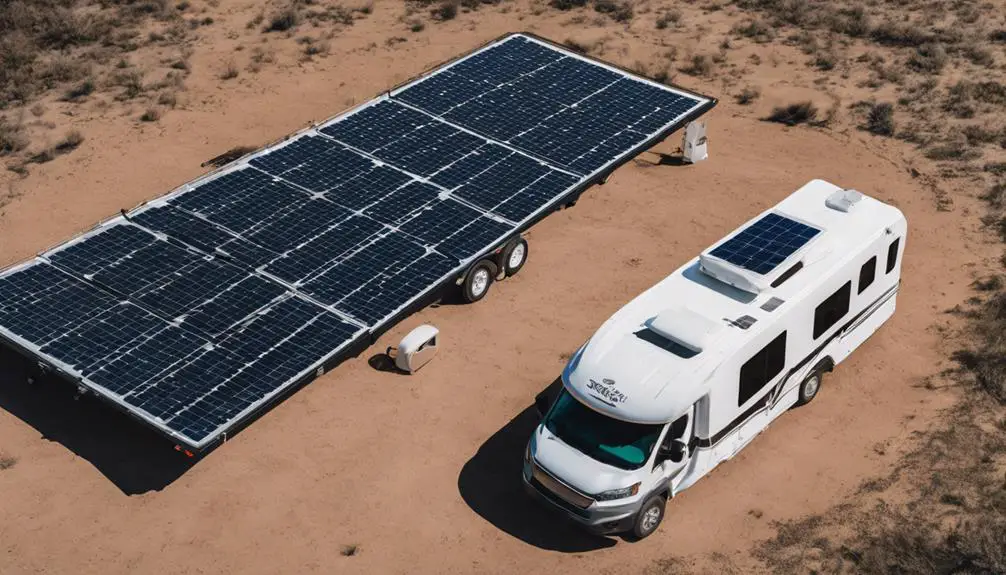
TL;DR — Quick comparison
- Durability: Marine-rated gear prioritizes salt-air corrosion resistance; rigid framed panels are longest-lived in non‑coastal environments.
- Weight & fit: Flexible/laminate panels are lighter and conformable for curved roofs or biminis but usually have shorter warranties (commonly 5–10 years) vs ~20–25 years for framed glass modules.
- Mounting: RV installs usually use Z‑brackets/rails and sealants; marine installs favor 316 stainless fasteners, arch/clamp mounts or adhesive on biminis.
- Wiring & safety: Boats (and RVs used near salt water) should use tinned marine wire, sealed terminations, correct bonding and ABYC‑aware practices; MPPT controllers recommended for both.
- Best use: Choose marine-rated components for regular saltwater exposure; choose rigid framed modules for inland longevity and best $/W over decades; pick flexible modules only where weight/contour require them.
How RV and marine panels differ — physical & electrical
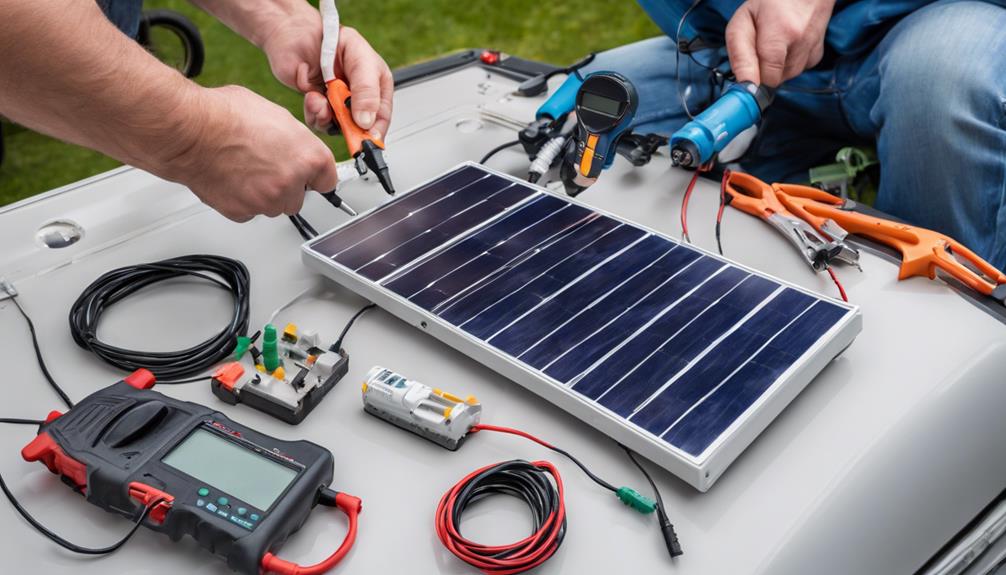
Two main panel families dominate small‑system installs: rigid framed glass modules and flexible/laminate panels. Rigid framed modules use glass, an aluminum frame, and EVA/POE encapsulants; they dissipate heat better, carry long performance warranties (~20–25 years) and are typically lowest cost per watt over decades. Flexible (laminate/thin‑film) panels use polymer encapsulants (EVA or increasingly POE), are lighter and can conform to curves, but are more susceptible to delamination, UV/moisture ingress and generally have shorter warranties (often 5–10 years).
Marine variants of either panel often add better perimeter sealing, thicker frames or frames and hardware specified for corrosion resistance. Junction boxes and connectors should have appropriate IP ratings (IP65–IP67 commonly specified) for wet environments.
Environmental drivers: salt, humidity, heat and shading
Salt spray and constant humidity accelerate corrosion and failure of fasteners, frames and unsealed junctions. For coastal or marine use, specify marine‑grade hardware (316 stainless) and marine‑rated frames or fully sealed laminates. Heat and poor airflow reduce output—rigid modules generally cool better than flexible laminates mounted flush to a roof or bimini.
Shading is a major real‑world performance factor. Partial shading can disproportionately reduce string output; bypass diodes, array segmentation, multiple MPPT inputs or module‑level power electronics reduce these losses. MPPT charge controllers are strongly recommended in both RV and marine installations because angle and shading change constantly.
Electrical & system design differences
- Wire & terminations: Use tinned, stranded marine‑grade conductors for boats and for RVs operated near salt water. Avoid household solid conductors for exterior runs.
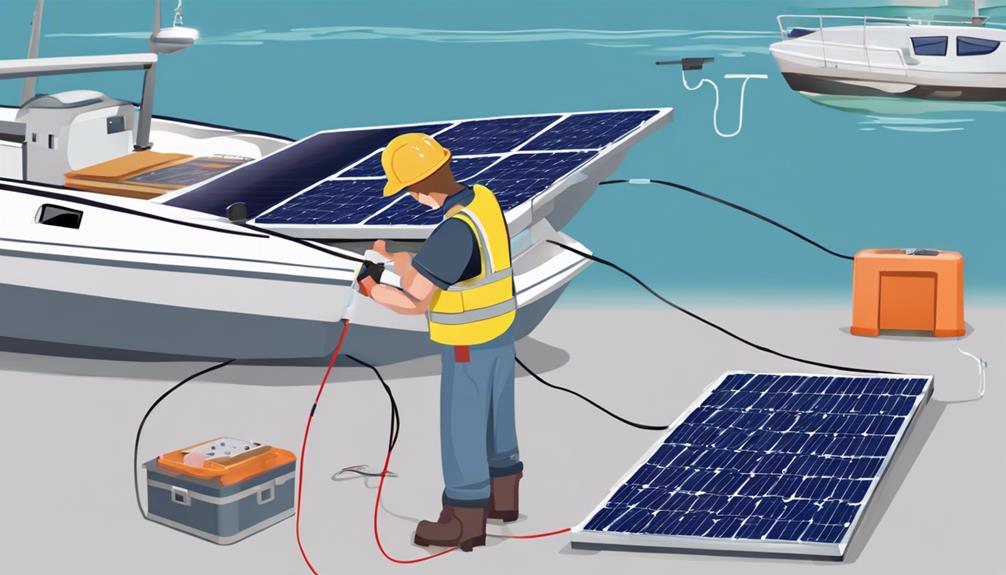
- Bonding & grounding: Boats follow different bonding practices (refer to ABYC). Vessel installations should be reviewed by a marine electrician to ensure safe bonding/grounding and to prevent galvanic corrosion issues.
- Controllers & shading mitigation: Size MPPT controllers to the PV array. On boats/RVs with variable shadows, consider multiple MPPTs, parallel stringing or module‑level optimization to preserve output.
- Protection: Fuse/combine at appropriate points, use proper overcurrent protection and waterproof junctions with IP‑rated boxes and connectors.
Mounting and common failure points
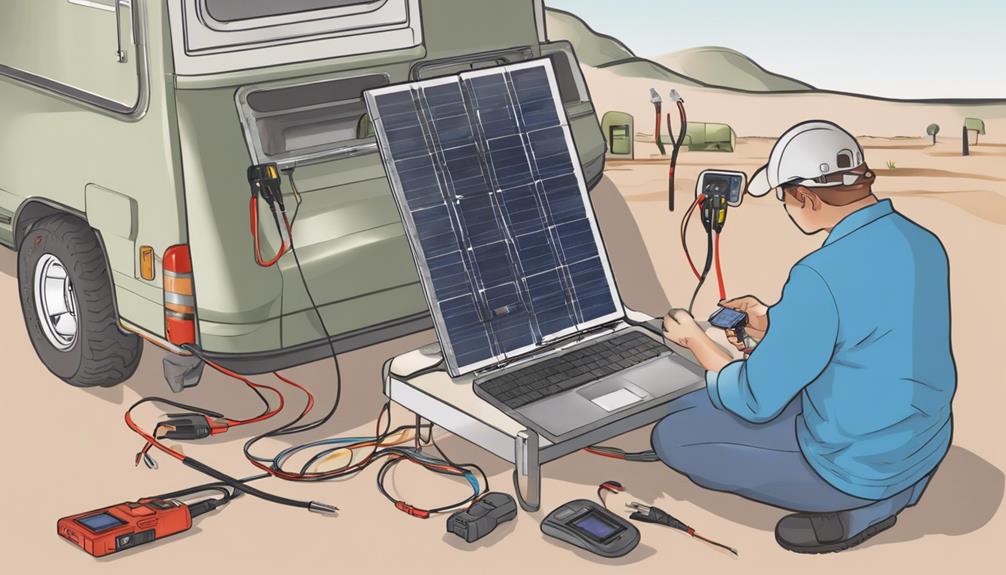
Roof/deck penetrations and fastener corrosion are the most common failure modes. RV roofs typically use Z‑brackets, rails or adhesive with careful sealant (Dicor, Sikaflex, or structural sealants) and properly bedded screw hardware. Marine installs on hardtops use clamps or rail mounts and 316 stainless fasteners; panels on biminis or canvas often use adhesive bonding (VHB or structural marine adhesives) but expect reduced cooling and shorter panel life.
Maintenance checklist (simple, printable)
- Monthly: rinse panels with fresh water (more often in salt spray); remove bird droppings and debris.
- Quarterly: inspect fasteners, frame edges and sealant beads for cracks or corrosion; reseal penetrations if any sign of water intrusion.
- Annually: open junction boxes, check for corrosion/tinning of wire ends, verify tightness of connections and condition of cable jackets.
- If near salt water: inspect more frequently and replace corroded fasteners with 316 stainless; consider sacrificial anode strategies where appropriate.
Lifespans, warranties and total cost
Rigid framed modules commonly carry ~20–25 year performance warranties and typically deliver the best long‑term $/W in inland use. Flexible panels normally have shorter warranty periods (5–10 years) and higher per‑watt costs if you account for replacement cycles. Marine‑rated hardware costs more up front, but reduces the likelihood of corrosion‑related failures on boats or coastal RVs.
Quick buyer’s guide
- If you operate primarily on saltwater or liveaboard: buy marine‑rated modules and accessories, use 316 stainless fasteners, tinned wire and ABYC‑aware wiring practices.
- If you’re inland and want longest life at lowest long‑term cost: choose rigid framed glass modules, MPPT controller, and conventional RV mounting with proper sealant.
- If weight or contours rule (small camper vans, curved decks, biminis): choose high‑quality flexible panels with POE encapsulant if possible, accept shorter service life and confirm the manufacturer’s saltwater warranty and testing.
Example system builds
- Small rig RV: 200–400 W rigid panels, 30–60 A MPPT, Z‑brackets, sealed roof penetrations.
- Full‑size RV roof: 600–1200 W total via multiple framed modules, one or two MPPT inputs, rail mounts or Z‑brackets, periodic sealant inspection.
- Day‑cruiser with bimini: Flexible laminate panels bonded to bimini, dedicated MPPT, tinned wire to controller on hardtop, expect replacement within 5–10 years.
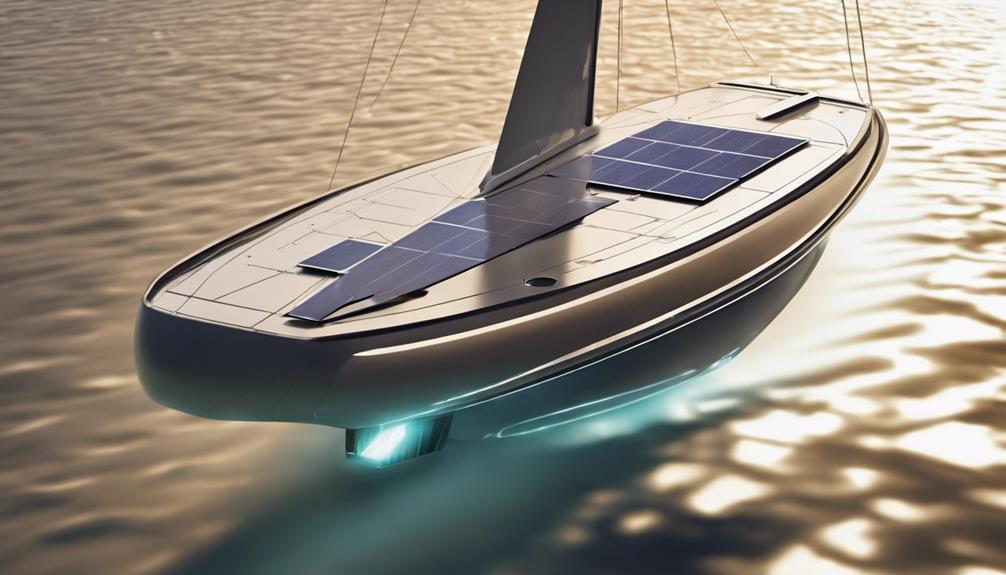
- Blue‑water cruiser: Marine‑rated framed modules on hardtop/arch, 316 stainless hardware, multiple MPPT controllers or segmented arrays, ABYC‑compliant wiring—higher upfront cost, longer reliable service.
Closing — safety & next steps
Always consult a certified marine electrician for vessel installations and follow ABYC/USCG/NEC guidance where applicable. For RVs, use proven roof‑sealing practices and confirm panel warranties and salt‑water exclusions before buying. If in doubt, choose marine‑rated components for coastal use and rigid framed panels for inland long‑life installs—then size MPPT controllers and fuse protection to match your array.
Need a deeper draft (full installation checklist, wiring diagrams or printable maintenance PDF)? I can prepare a longer how‑to with wiring sketches and recommended part numbers tailored to your vehicle or boat.