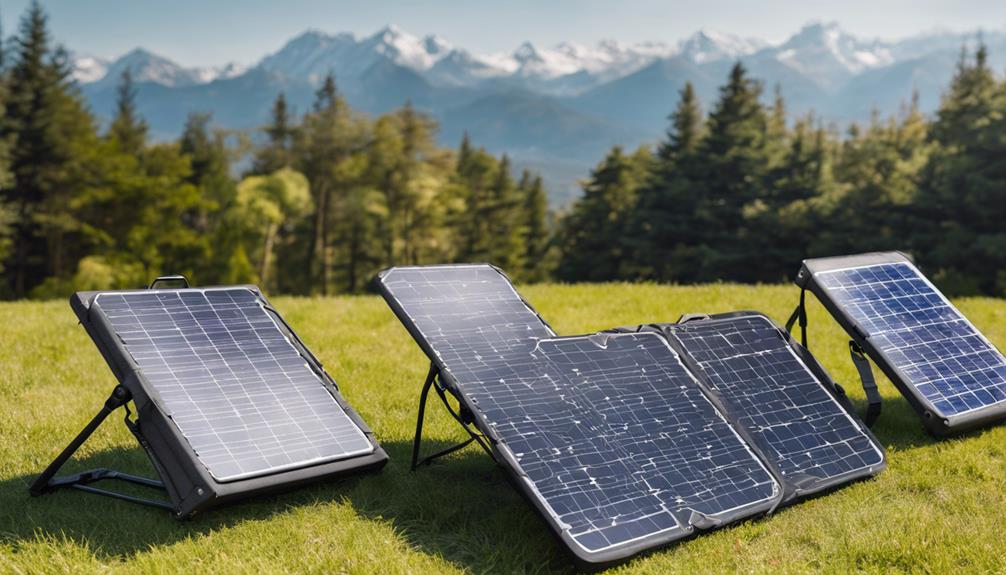
If you’ve been asking “can i deduct a solar fan on taxes in pa” the short answer is: possibly, but it depends on whether the fan qualifies for federal residential clean energy credits and whether any local Pennsylvania incentives apply. This article explains how the federal credit works for solar-powered ventilation, what Pennsylvania offers (and what it generally doesn’t), how to document and claim credits, and practical use cases to help you decide whether installing a solar attic fan makes sense in 2024. Check state solar incentives to determine whether Pennsylvania permits a tax deduction for a solar fan.
Federal residential clean energy tax credit and solar fans
The primary route to a tax deduction or more accurately a tax credit for a solar fan is the federal residential clean energy credit (often called the investment tax credit or ITC). Under recent legislation, qualifying residential solar electric property is eligible for a percentage-based credit of the equipment and installation costs. For 2024 many taxpayers can claim up to 30 percent of eligible costs for qualified solar electric installations that meet program rules. Whether your solar attic fan qualifies depends on the technology: photovoltaic (PV) attic fans that generate electricity and are permanently installed are the best candidates for the credit.
What counts as a qualified solar fan
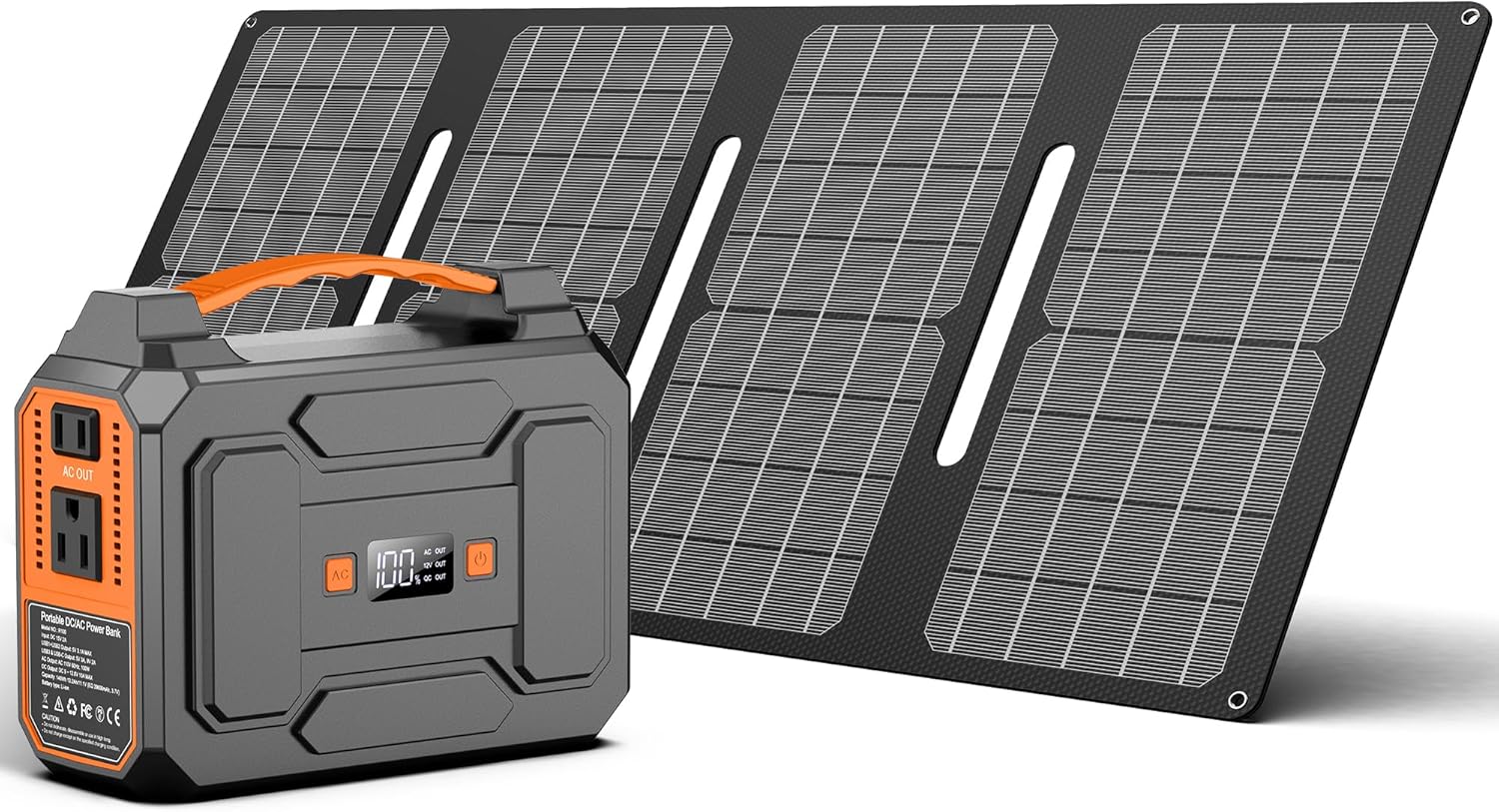
To be eligible for the residential clean energy credit, the unit generally must be a solar electric device that converts sunlight into electricity and is installed at your primary residence or a qualifying second home. Off-the-shelf battery-powered or passive solar fans that do not meet the IRS definition of solar electric property are unlikely to qualify. Manufacturer specifications indicating PV generation and documentation showing the system is new and permanently installed are important for claiming the credit.
Pennsylvania state incentives and typical local offers
In Pennsylvania there is no broad, statewide personal income tax deduction specifically for residential solar fans. State-level incentives for small solar devices are limited compared with the federal credit, so county and utility-level programs are often where residents find additional help. Some municipal programs, local utilities, or non-profit energy programs occasionally offer rebates, discounts, or technical assistance for energy efficiency and solar projects, but these vary by location and change frequently. If you live in Pennsylvania, check with your local utility provider, county government, or community energy office for current offers and whether a solar attic fan might qualify for a local rebate.
How to claim the credit and what documents you need
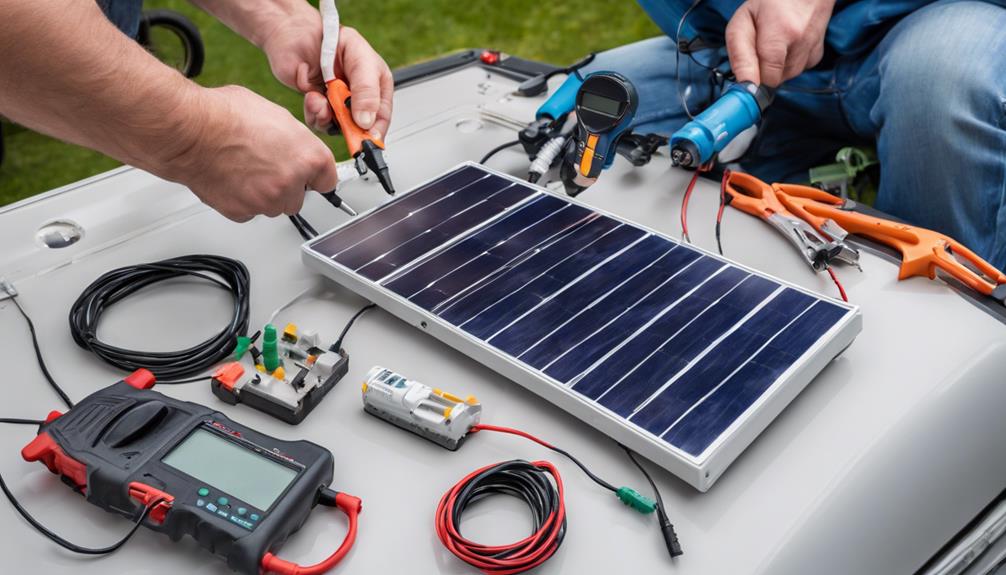
Claiming the federal credit involves filing the appropriate form with your federal tax return—typically Form 5695 for residential energy credits. You will need to retain and be able to provide documentation showing the cost of the unit and installation, proof of payment, the make and model, and a description or manufacturer certification indicating the product is a solar electric device. For the solar attic fan tax credit 2024, include invoices that separate equipment from labor when possible and keep any contractor statements or certification that the system meets federal requirements. If a portion of the work was for energy efficiency improvements rather than the solar system itself, make sure the documentation clearly allocates those costs. Check state tax differences when comparing Pennsylvania solar fan deductions and California solar panel installation incentives.
Practical use cases: when a solar attic fan makes financial sense
Solar attic fans can reduce attic temperatures, lower cooling loads, and help prevent moisture buildup in the summer months. They are most cost-effective in homes with poorly ventilated attics, in regions with high cooling costs, or when combined with other solar investments. If you are already planning a larger PV installation, adding a solar attic fan may be an efficient incremental investment since some installation costs overlap. For a homeowner in Pennsylvania, the federal credit could offset a meaningful portion of the upfront cost if the fan qualifies, but local energy rates, home insulation, and attic layout will determine actual energy savings and payback period.
Next steps if you want to proceed
Start by confirming with the manufacturer or your installer whether the specific solar fan model meets federal clean energy credit definitions. Ask for a written certification and a detailed invoice separating equipment and installation. Consult the instructions for Form 5695 for the tax year you are filing—rules and percentages may change—and consider discussing the purchase with a tax professional to ensure correct treatment on your return. If Pennsylvania-specific incentives or utility rebates are a priority, call your utility provider or local government energy office to see if any current programs apply. Finally, make sure any required building permits or inspections are completed, since permanent installation and code compliance can affect both eligibility and long-term performance.
In conclusion, the answer to “can i deduct a solar fan on taxes in pa” is that a qualifying solar attic fan may be eligible for the federal residential clean energy tax credit—potentially capturing up to a significant percentage of the installed cost in 2024—while Pennsylvania itself generally does not offer a universal state tax deduction for small solar fans. Careful documentation, manufacturer certification, and consultation with a tax advisor will help you determine eligibility and maximize available savings. If you value reduced cooling costs and improved attic ventilation, a properly installed solar attic fan that meets credit criteria can be a worthwhile investment.