Homeowners often ask whether home improvement projects like a roof replacement can reduce their federal tax bill. With expanding solar incentives and changes to energy credits in recent years, it’s important to understand which upgrades qualify. This article explains whether a new roof qualifies for energy tax credit, when roofing costs can be included, how window upgrades fit into the rules, and practical steps to document and claim credits on your U.S. tax return. If you install a new roof, consult the solar incentives overview to confirm energy credit and rebate eligibility.
Overview of federal energy tax credits for homeowners
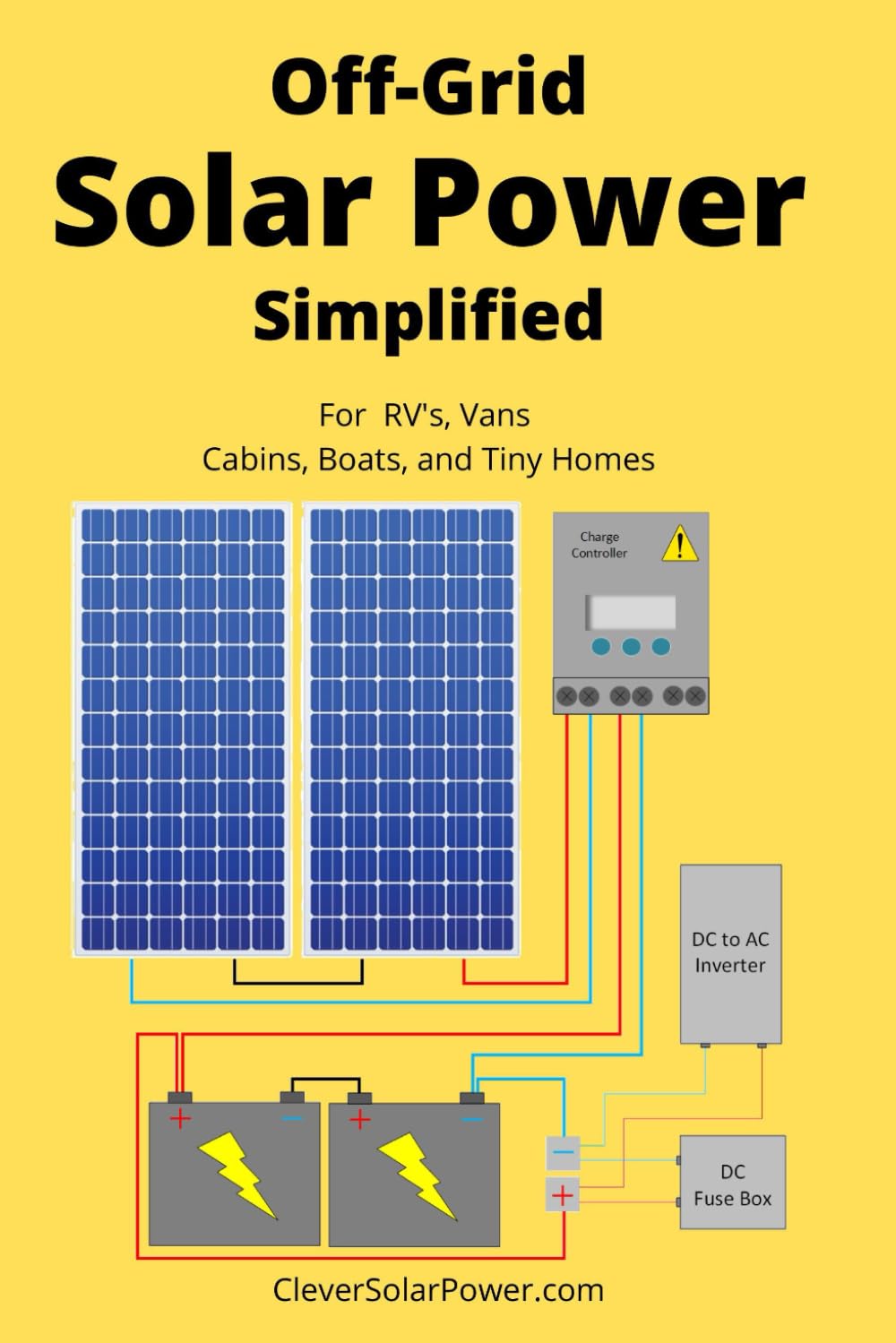
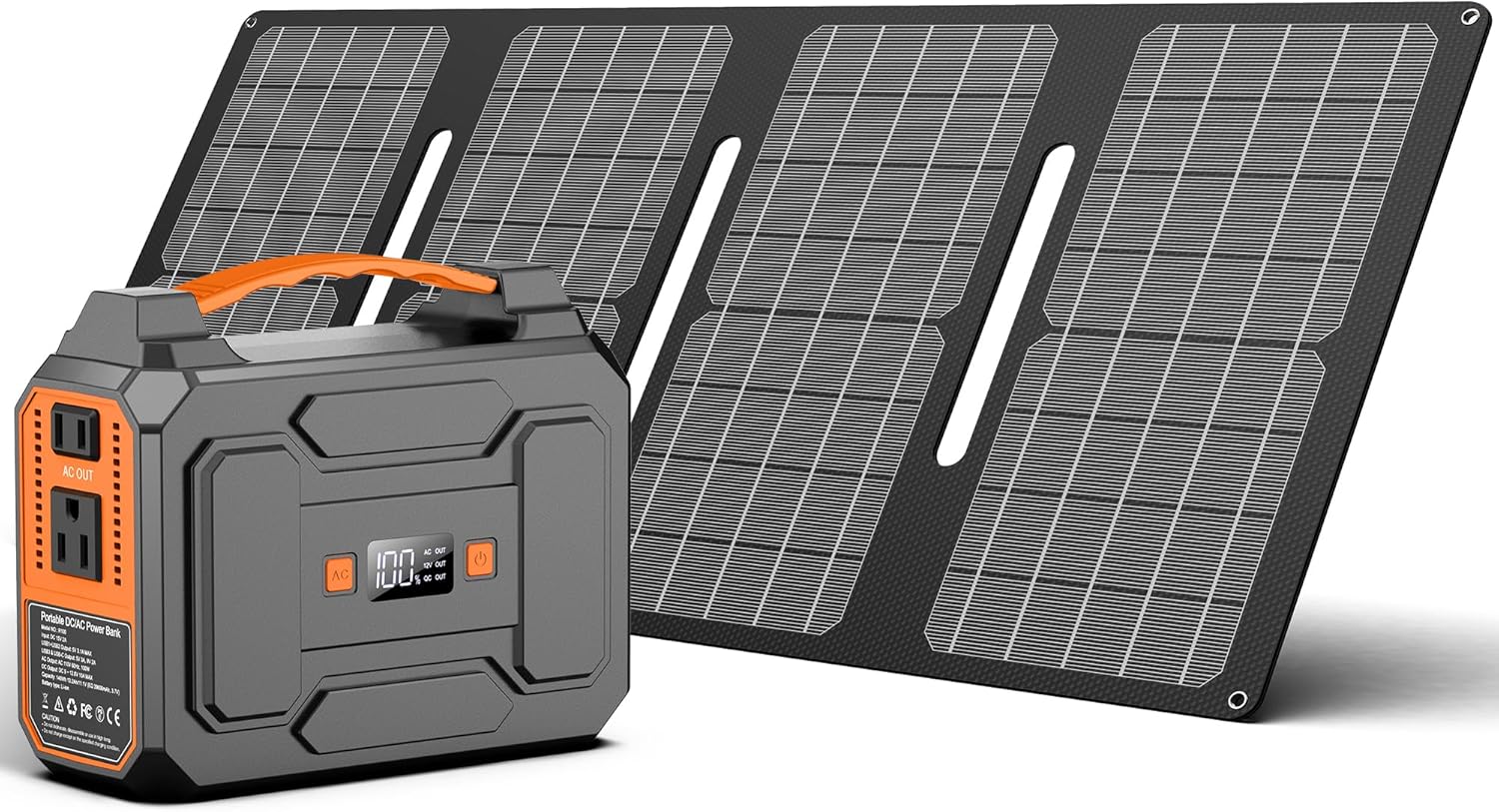
Federal incentives for residential clean energy broadly fall into two categories: credits for installing renewable energy systems (commonly called the Residential Clean Energy Credit) and credits for energy efficient home improvements. The Residential Clean Energy Credit covers qualifying systems such as solar photovoltaic panels, solar water heaters, small wind turbines, and certain battery storage when installed at a primary or secondary residence. For many recent years the credit has been a percentage of the system cost (for example, 30% under the Inflation Reduction Act for systems placed in service during much of the 2020s).
Separately, the Energy Efficient Home Improvement Credit supports specific efficiency upgrades to the building envelope and home systems—things like insulation, qualified heat pumps, and in some cases windows and skylights. These credits have eligibility rules, annual or lifetime limits, and product performance requirements such as ENERGY STAR or manufacturer certification.
Does a new roof qualify for energy tax credit?
Short answer: generally no, a standard roof replacement by itself does not automatically qualify for a federal energy tax credit. Most routine roofing materials and labor for replacing shingles or underlayment are not eligible under the residential energy tax credits. The credits are aimed at measures that directly produce clean energy or significantly improve a home’s energy efficiency in ways defined by law and IRS guidance.
That said, there are two important exceptions to consider: first, when a new roof is installed as part of or because of a qualifying renewable energy system, and second, when a roofing product meets a narrowly defined performance standard. Both situations require careful documentation to support a claim.
When a roof can be part of a tax credit
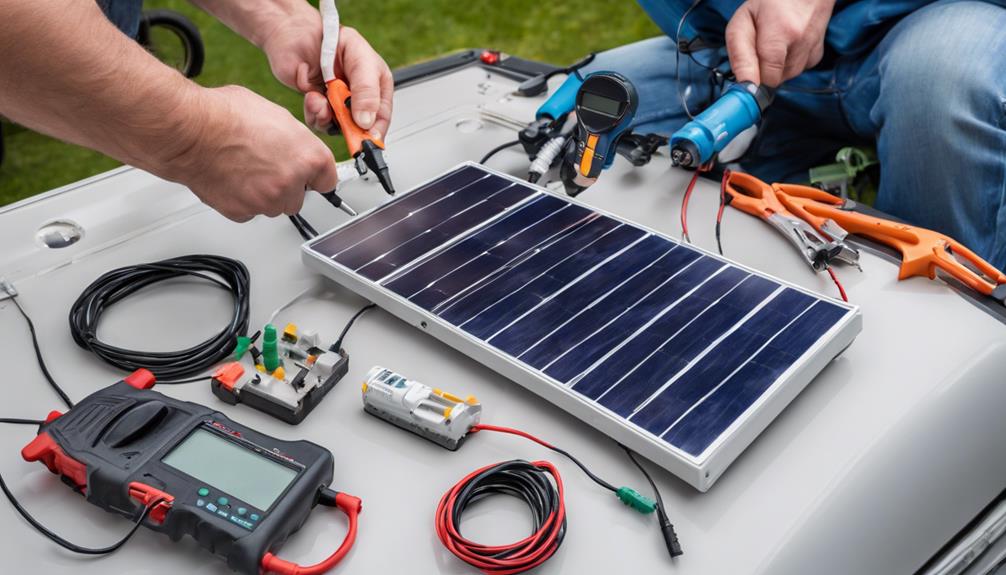
If you install solar panels and must replace or reinforce the roof to accommodate the system, certain roof costs can sometimes be included in the eligible basis for the Residential Clean Energy Credit. The IRS allows inclusion of expenses that are integral to the installation of the qualifying energy system. For example, structural roof work or roof sections directly necessary to mount solar panels may be considered part of the system cost—but expenses for a full home re-roof that would have been done regardless of the panels are less likely to qualify.
Another potential route is an energy-efficient roofing product that meets specific federal program requirements. Historically, a small subset of metal roofs with particular reflectivity or emissivity values could have qualified under older tax provisions. Current federal credits for home improvements prioritize insulation, windows, doors, and HVAC upgrades rather than standard roofing materials. Always check product certification and the latest IRS or Department of Energy guidance before assuming a roof qualifies.
How window upgrades relate: can I claim new windows on my taxes?
Many homeowners also ask, can I claim new windows on my taxes? The short answer is: possibly, if the windows meet the requirements under the Energy Efficient Home Improvement Credit. Qualified windows typically must meet ENERGY STAR or other specific performance standards and the credit may be subject to annual caps. Unlike a typical roof replacement, energy-efficient windows are explicitly called out in the list of eligible improvements in recent updates to federal credits. To claim this benefit you will generally need the manufacturer’s certification statement indicating the windows meet the required performance levels. Check whether your new roof improvements affect eligibility for heat pump rebates and other efficiency incentives.
Because the rules and limits can change year to year, use the exact product documentation and keep invoices that describe the model numbers, installation date, and contractor work performed.
How to document and claim energy tax credits
Whether you claim a credit for solar installation or an energy-efficient window, proper documentation is essential. For renewable energy systems you’ll want detailed invoices that separate the cost of the qualifying system from nonqualifying work, any manufacturer certification for equipment, and proof of installation date. For home improvement credits, keep the manufacturer’s certification statement and receipts that list model numbers and the cost of each item and installation.
Taxpayers typically claim residential energy credits on IRS Form 5695 when filing their federal return. If you include roof work as part of a solar project, the portion of the roof cost that’s eligible should be treated consistently with instructions for the Residential Clean Energy Credit. Because credit rules can be nuanced, consult a tax professional if roofing costs are substantial or if you plan to combine multiple credits in a single tax year.
Practical use cases and planning tips
Consider a homeowner who needs a new roof and wants to add solar panels. If the roof must be rebuilt specifically to support the panels, document which roof sections and structural work are necessary for the solar array. Request itemized contractor estimates that separate general roofing costs from solar-related roofing modifications. This increases the likelihood that the eligible portion will meet IRS guidance for inclusion in the solar credit.
Another scenario: replacing old single-pane windows with ENERGY STAR certified windows. In that case, keep the manufacturer’s certification and clear receipts since windows are commonly covered under energy-efficient home improvement credits. For either path, investigate state and local rebates on top of federal credits—many utilities and municipalities offer incentives that are stackable with federal benefits, improving project economics.
Conclusion
In most cases a new roof by itself does not qualify for federal energy tax credits. However, roof work can sometimes be eligible when it is directly tied to the installation of a qualifying renewable energy system like solar panels, and certain high-performance roofing products may qualify in limited circumstances. By contrast, energy-efficient windows are more clearly covered under recent home improvement credits when they meet performance standards. To maximize incentives, document everything, obtain manufacturer certifications, separate eligible and ineligible costs on invoices, and consult a tax professional or the IRS instructions for Form 5695 before claiming credits.