Choosing the right solar capacity for a residence can be confusing when manufacturers and retailers use terms like 1500 watt solar panel or 1500w solar panel. In residential solar panels conversation, that phrase can mean a single very large module, a portable kit rated at 1500 watts, or more commonly a rooftop array sized to produce 1,500 watts of peak power. This article explains what people mean by a 1500 watt solar panel, how much energy that size produces in the real world, practical use cases for a small residential array, and the installation, inverter and storage considerations homeowners should weigh. A 1500 watt solar panel can be a cost-effective component for larger home solar systems designed for daily use.
What does “1500 watt solar panel” actually mean?
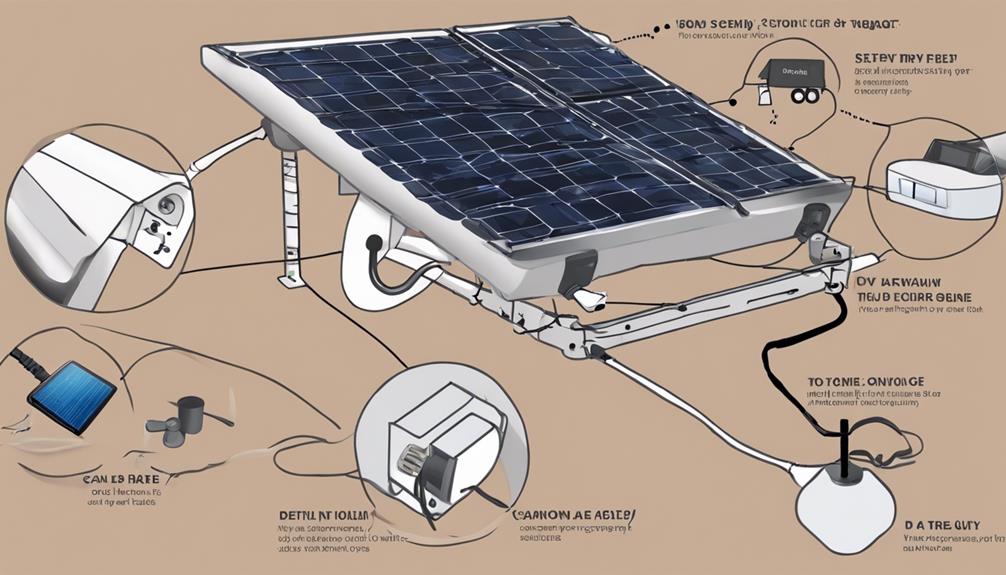
Strictly speaking, a 1500 watt solar panel would be a single solar module with a peak output of 1,500 watts under standard test conditions. In practice, single residential modules rarely reach that rating; most residential panels are in the 300 to 700 watt range. More commonly, the term “1500w solar panel” is used shorthand for a solar array or kit with a combined peak capacity of 1,500 watts. It can also describe portable solar systems marketed with a 1500 watt inverter paired with panels that together can supply that output.
Real-world energy production from a 1500 watt system
Peak watt rating indicates maximum output under ideal sunlight, but daily energy production depends on local sun hours, panel orientation, shading and temperature. As a simple calculation, multiply 1,500 watts by the average full sun hours per day for your location. For example, with 4 peak sun hours you can expect roughly 6 kilowatt-hours per day (1.5 kW × 4 hours = 6 kWh). In sunnier locations with 5 hours, production could be about 7.5 kWh daily, while cloudier climates might yield 3 to 4 kWh.
To put that in perspective, the average U.S. household consumes about 25 to 30 kWh per day, so a 1500 watt solar array typically covers a portion of a home’s electricity needs. It is well suited for offsetting lighting, appliances, charging electric tools, running a refrigerator or supporting a home office. For whole-house coverage you would multiply capacity accordingly or pair the array with energy efficiency upgrades and battery storage.
Sizing and layout: how many panels and how much roof space?
Because most residential panels are rated between 300 and 450 watts, achieving 1,500 watts usually means installing four to six panels depending on individual wattage. For example, five 300 watt modules produce 1,500 watts at peak. Panel size varies by model, but a typical 350 to 400 watt panel occupies around 17 to 21 square feet, so a 1,500 watt array might require roughly 70 to 110 square feet of usable roof area. Roof tilt, shading and orientation affect layout, and microinverters or optimizers can help maximize output if shading is intermittent.
Inverter, battery and electrical considerations
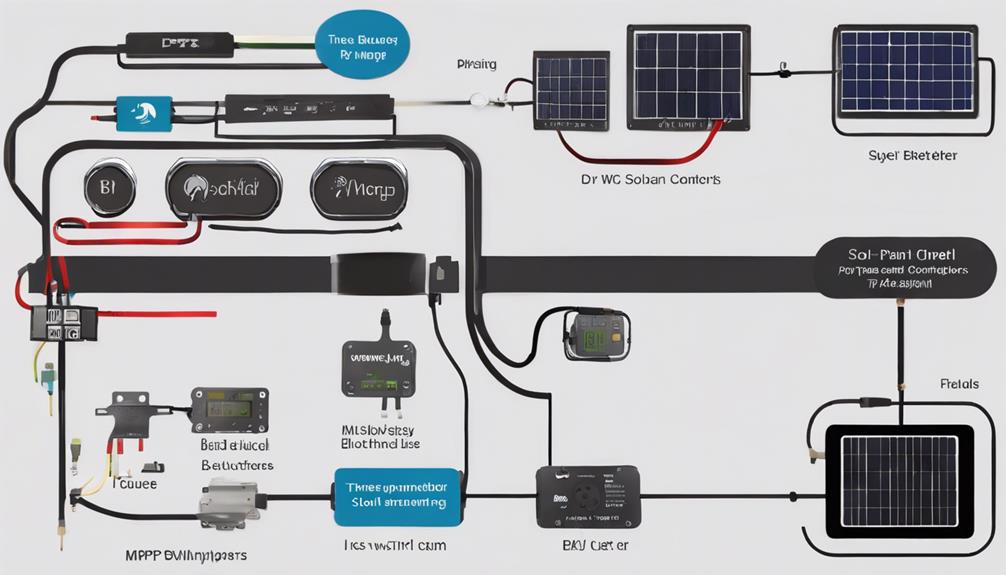
The inverter must match the system’s DC input and the household AC loads. For a 1500w solar panel array, many homeowners choose an inverter sized slightly above peak solar output to handle transient conditions and to allow for modest expansion. If you plan to use the system for off-grid or backup power, pair it with battery storage sized to meet your desired autonomy. If your 1,500 watt system produces an average of 6 kWh per day, and you want to store a full day of energy, a battery bank around 6 to 8 kWh (accounting for depth of discharge and system losses) is appropriate. Keep in mind starting loads for motors, refrigerators and heat pumps; those devices may require inverters with higher surge capacity than continuous ratings suggest. With a 1500 watt solar panel, consider powering household appliances like refrigerators, lights, and pumps efficiently.
Interconnection and safety
Grid-tied installations must follow local interconnection rules and often use a bi-directional meter for net metering. If you intend to use a 1500w solar panel system as a backup source during outages, consider an automatic transfer switch or an inverter with built-in backup capability to keep circuits isolated from the grid when necessary. Work with qualified electricians and installers to ensure compliance with building codes and electrical safety standards.
Practical residential use cases for a 1500 watt array
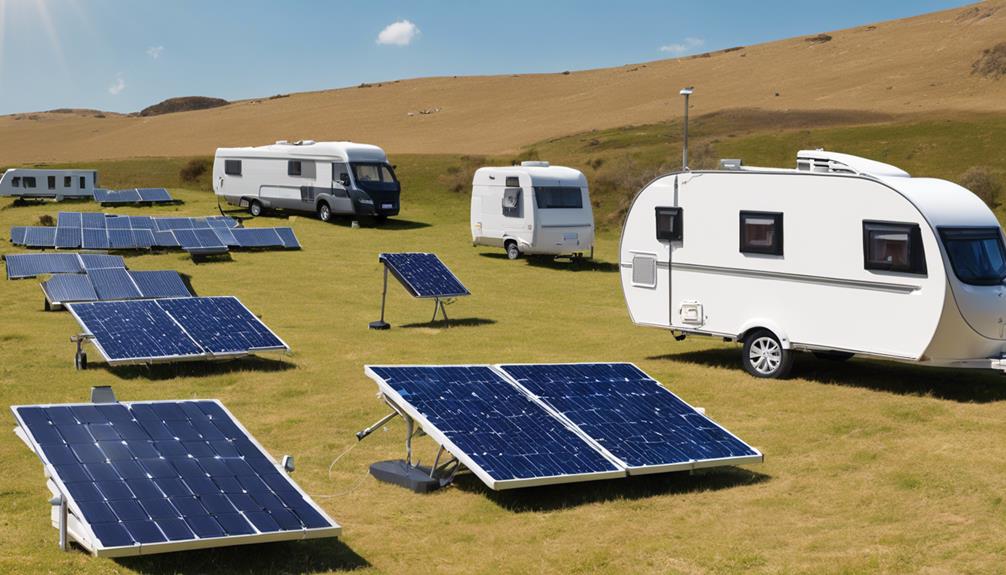
A 1500w solar panel setup is a popular choice for homeowners who want to reduce their electricity bills without committing to a full rooftop system. It works well for powering a small suite of loads: LED lighting, a few appliances, laptop charging, a window air conditioner for limited hours, or a home office. For people with a secondary dwelling, tiny house, boat or RV, a 1500w solar kit paired with batteries can provide reliable off-grid power. Homeowners seeking increased home security through backup power for alarms and internet routers will also find this size practical and cost-effective.
Costs, warranties and return on investment
Installed costs for small residential systems vary by region, equipment quality and installation complexity. Per-watt installation prices have declined over the years, and a 1500 watt system will generally be less expensive per watt than larger systems in terms of upfront cost, but the same considerations apply: higher-efficiency panels and reputable inverters cost more but can improve lifetime performance. Most residential panels come with a 25-year performance warranty and a 10 to 12-year product warranty, while inverters commonly have 5 to 12 years of coverage, with options to extend. Return on investment depends on electricity rates, available incentives, and how much of the generated power you can use onsite versus exporting to the grid.
Choosing a 1500 watt solar panel configuration can be a smart step into residential solar, offering meaningful energy production for specific loads, portable applications, or as a starter array for future expansion. Evaluate your daily energy use, available roof or ground space, and whether you need backup capability before selecting panels, inverters and batteries. Consulting a licensed solar installer will help you design a system that meets local codes and yields the best performance for your home.