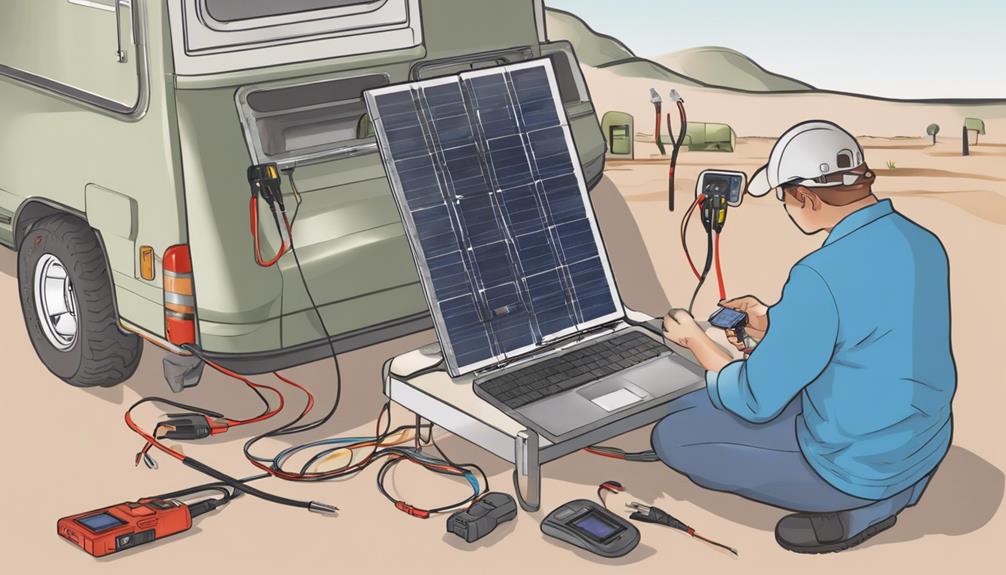
Choosing the right solar module for a home installation means balancing cost, efficiency, and system design. The solar module 500W has emerged as a popular choice for residential solar panels thanks to its high output per panel, compact footprint, and compatibility with modern inverter and racking systems. This article explains what a 500 watt solar module offers, compares technologies like bifacial cells, reviews typical 500 watt solar panel price ranges, and outlines practical use cases for homeowners planning or upgrading a residential solar system. A 500W solar module can significantly improve efficiency when integrated into compact home solar systems.
What a 500 watt solar module offers for homes
A 500 watt solar module delivers significantly more power per unit than older residential panels that typically produced 250 to 350 watts. This higher wattage means fewer panels are needed to reach a given system size, reducing installation time and roof penetration points. For homeowners with limited roof area, a solar module 500W can help maximize generation where space is tight. In addition to peak output, modern 500 watt panels often incorporate higher-efficiency cells, improved temperature coefficients, and better low-light performance, all of which contribute to more consistent energy production across seasons.
Technologies: monofacial versus 500 watt bifacial solar panels
When considering 500 watt solar modules, it’s useful to compare monofacial and bifacial options. Traditional monofacial panels capture sunlight only on their front side, which is suitable for most roof-mounted residential systems. Bifacial panels, including 500 watt bifacial solar panels, can absorb light on both the front and rear surfaces. That makes them particularly effective when mounted on reflective surfaces or elevated racking systems, such as a carport or pergola, where albedo (reflected light from the ground) can boost overall energy production.
For homeowners interested in maximizing yield from a limited area, bifacial 500 watt modules can provide a noticeable performance improvement, especially in installations that allow the rear side to receive reflected light. However, the added benefit depends on site conditions, tilt, mounting type, and ground reflectivity. A rooftop system with little space for rear exposure will see smaller gains from bifacial technology than a ground-mounted array with reflective surfaces below.
500 watt solar panel price and cost considerations
Price is a fundamental factor in choosing a solar module. The 500 watt solar panel price varies widely based on brand, cell technology, warranty, and module features such as half-cut cells or bifacial capability. On average, homeowners can expect higher upfront cost per module compared with lower-wattage panels, but the cost per watt can be competitive because each unit delivers more power. When evaluating costs, consider the total system price: fewer 500W modules can mean lower mounting hardware, labor, and balance-of-system expenses, which often offsets the higher per-panel price.
Additionally, long-term economics should factor in panel efficiency, degradation rate, and warranty terms. Higher-efficiency 500 watt modules with strong performance warranties typically retain value by producing more energy over 25 years, reducing payback time despite a potentially higher initial 500 watt solar panel price.
Practical residential use cases for 500W modules
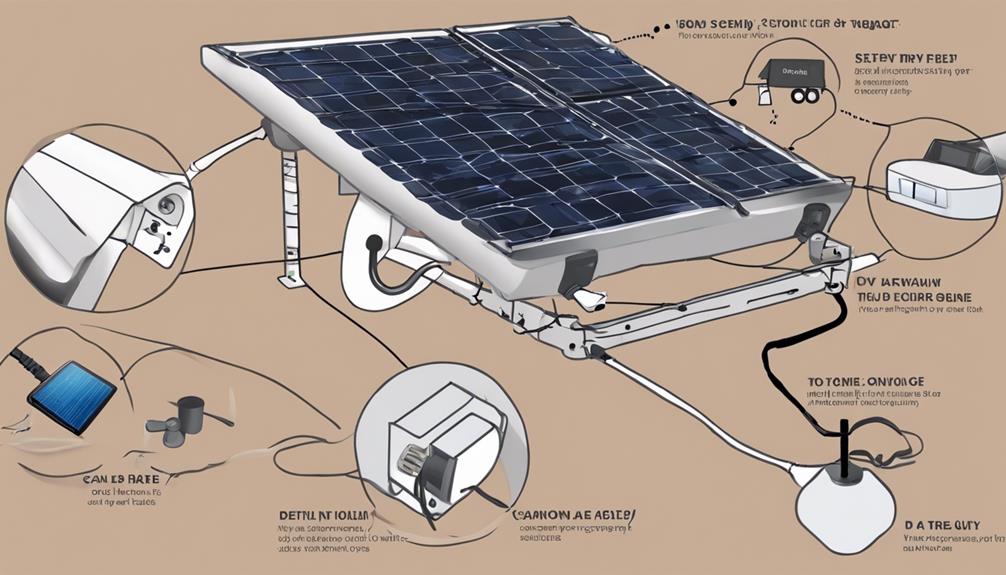
There are several practical scenarios where a solar module 500W is a particularly good match for residential installations. First, small to medium-sized roofs with limited space benefit from high-wattage modules because they allow homeowners to reach desired system sizes without exhausting available roof area. Second, carport and canopy installations often make good use of 500 watt bifacial solar panels to capture reflected light and enhance yield. Third, homeowners seeking simplified system layouts appreciate that fewer panels can reduce wiring, combiner boxes, and installation complexity. Pair a Solar Module 500W with a sturdy solar mounting rail for secure rooftop installation and alignment.
Another common use case is battery-backed solar systems. Pairing a 500 watt solar module array with a residential battery can deliver strong daytime charging and sustained backup capability. For families prioritizing resilience and home security during outages, a compact high-wattage array that charges batteries quickly is a practical solution. Finally, new construction and rooftop remodels often specify higher-wattage modules to minimize the aesthetic impact and maintain roofline design while delivering substantial energy generation.
Installation and compatibility considerations
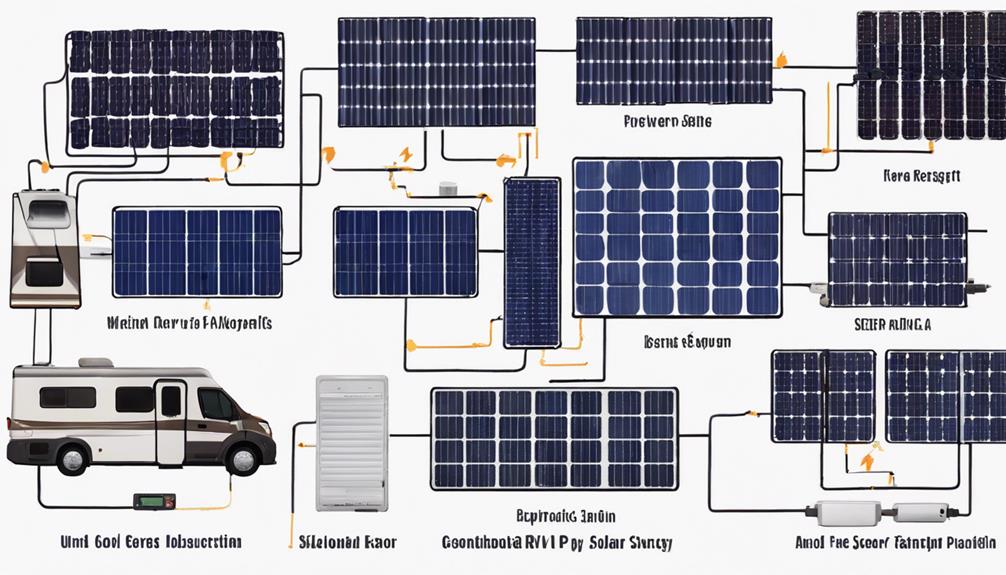
Installing a 500 watt solar module requires ensuring compatibility with inverters, racking, and electrical design. String inverters, microinverters, and power optimizers each have different voltage and current requirements, so system designers must ensure that the chosen module’s electrical characteristics align with inverter input limits. For example, high-voltage strings can reduce mismatch losses and wiring costs but must not exceed inverter maximum string voltage.
Racking and roof loading must also be reviewed: heavier or larger panels can impact wind and snow load calculations. Professional installers will assess roof orientation, tilt, shading, and structural capacity when recommending the number and placement of 500 watt modules. While the 500 watt solar module simplifies layout by requiring fewer panels, careful planning ensures optimal performance and adherence to local codes.
Choosing the right 500W module for your home
Selecting the best 500 watt solar module involves balancing warranty length, efficiency, degradation rate, and price. Homeowners should compare the manufacturer’s output warranty and expected annual degradation to estimate energy production over decades. Look for third-party test certifications and positive field performance data. If considering bifacial modules, ask your installer for modeled energy gains specific to your site rather than relying solely on generic estimates. Finally, consider manufacturer reputation and local service options to ensure reliable support throughout the system’s life.
In conclusion, the solar module 500W is a strong option for many residential solar projects. It offers high power density, potential cost efficiencies, and flexibility whether you choose monofacial or 500 watt bifacial solar panels. While the 500 watt solar panel price can be higher per unit, system-level savings and higher energy yield often justify the investment. By matching module choice to roof constraints, inverter compatibility, and long-term performance expectations, homeowners can create efficient, compact residential solar panels systems that deliver clean energy and potential savings for decades.