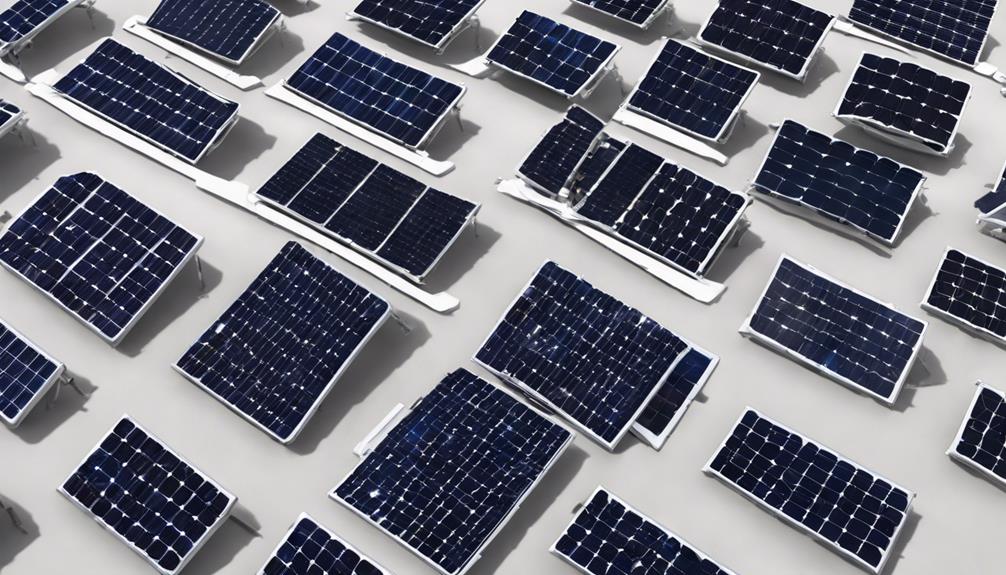
Deciding where to buy solar panels to install yourself starts with understanding the types of equipment you need, the permits required, and the difference between buying components and hiring a contractor. Many homeowners today ask “where can I buy solar panels to install myself” because DIY solar can lower upfront costs and make sense for small systems, outbuildings, or off-grid setups. This article walks through reliable purchasing options, practical DIY use cases, cost considerations, and the key steps to complete a safe and compliant installation. When buying panels to install yourself, compare system installation costs including permits, inverters, and labor estimates.
Where to buy solar panels: retailers, manufacturers, and distributors
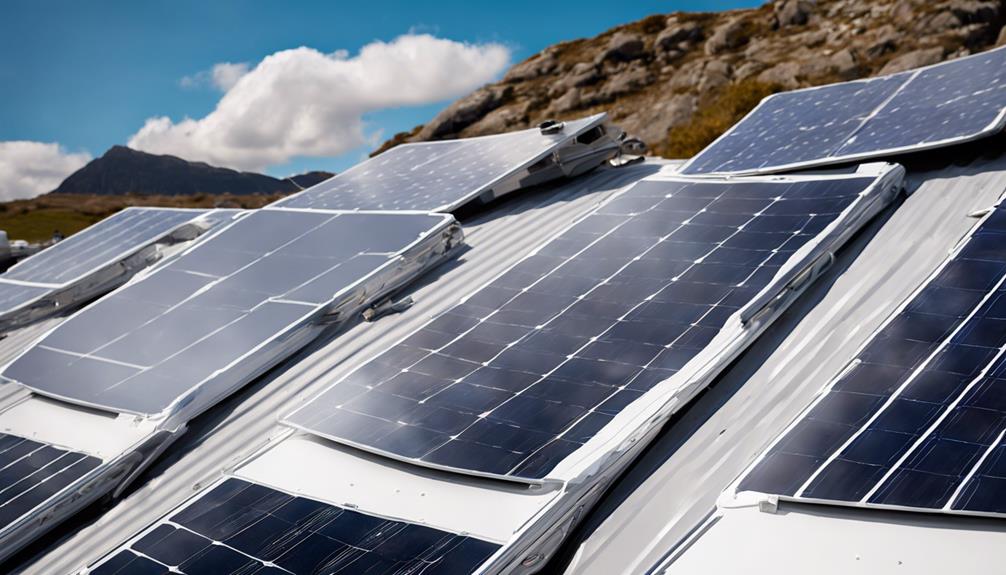
If you are wondering “can I buy my own solar panels,” the answer is yes—panels and related components are sold through a wide range of channels. Big-box home improvement stores like Home Depot and Lowe’s carry panels and plug-and-play kits suitable for small projects and RVs. Major online marketplaces such as Amazon and eBay offer convenience and customer reviews but require careful vetting of sellers and warranties. For larger residential systems, specialized solar suppliers and wholesale distributors like Wholesale Solar, altE, and Solar Electric Supply provide a broader selection of panel brands, inverters, mounting systems, and balance-of-system components.
Manufacturer-direct and specialty brands for DIY installations
Buying directly from manufacturers or authorized dealers can be advantageous if you want a specific brand or warranty support. Popular brands that sell through dealer networks and sometimes directly to consumers include Renogy, Q CELLS, Canadian Solar, and REC. Manufacturer-direct purchases often make it easier to confirm panel specifications, warranty terms, and compatibility with inverters and monitoring equipment. If you plan to pursue a do it your self solar project, opt for reputable brands with clear warranty policies and good technical documentation.
Can you buy and install your own solar panels? Practical considerations
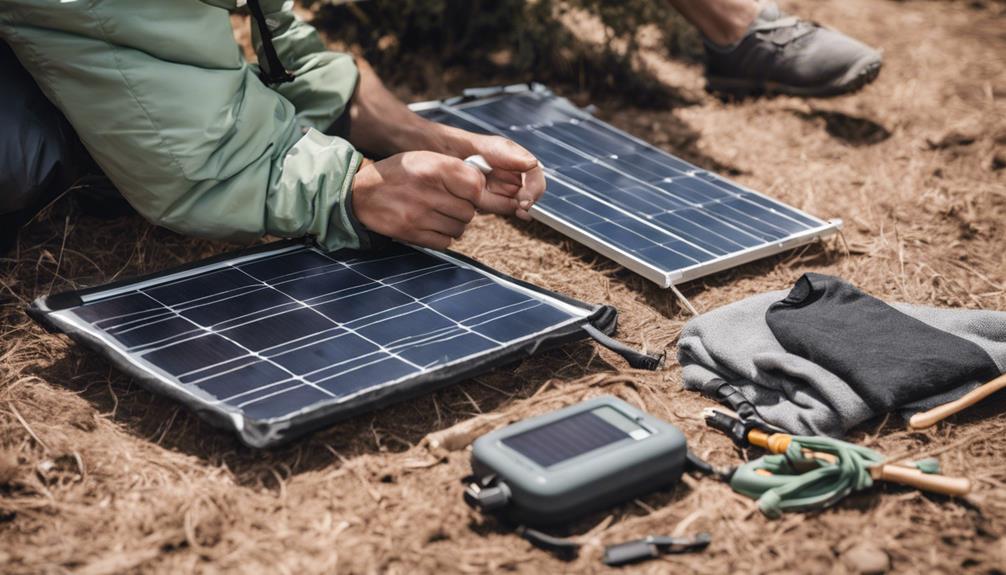
Many homeowners ask “can you buy and install your own solar panels” because DIY installation reduces labor costs. Technically, you can install certain systems yourself, especially small ground-mounted arrays, garage or shed installations, and portable solar kits. However, larger grid-tied rooftop systems are more complex. They require proper roof penetration, secure racking, electrical work, and often a certified electrician to complete interconnection. Permits, inspections, and utility approvals are typically mandatory. Additionally, some incentive programs, rebates, and net metering agreements require installations to be performed by licensed contractors to maintain eligibility.
Costs, warranties, and long-term performance
When deciding where to buy solar panels to install yourself, balance upfront price against long-term value. Buying panels at a discount might save money initially but could come with limited or non-transferable warranties. DIY buyers should also budget for inverters, mounting hardware, electrical conduits, disconnects, metering equipment, and possibly a battery if you want backup power. Labor savings can be significant, but mistakes during installation can lead to roof damage, system underperformance, or voided warranties. For many homeowners, a hybrid approach—purchasing equipment directly but hiring professionals for critical electrical work and inspections—offers a practical compromise. After buying panels for DIY installation, search for local solar repair providers in case problems arise.
Practical use cases for DIY solar purchases
There are several scenarios where buying and installing your own panels is sensible. If you have a remote cabin or tiny home and need an off-grid setup, a DIY system built from kits and simple components can be both affordable and effective. Homeowners wanting a battery-supported backup for essential loads can assemble smaller systems themselves once they understand energy calculations and battery management. DIY solar is also common for carports, pergolas, and detached garages where roof penetrations are easier to manage. Conversely, if your primary goal is a large grid-tied system to maximize incentives and resale value, professional installation usually yields better long-term results.
Steps to buy and install panels responsibly
Start by assessing your energy needs, roof orientation, shading, and budget. Select panels and inverters that match your system size and compatibility requirements. Before purchasing, check local building codes, permit requirements, and utility interconnection rules—this step can prevent costly rework. Obtain clear documentation on product specifications and warranties, and keep serial numbers and receipts. If you lack electrical experience, hire a licensed electrician for the final connections and utility tie-in; this preserves safety and helps ensure inspections pass. Finally, schedule the required inspections and submit any paperwork to qualify for rebates or net metering.
Where to buy solar panels to install yourself ultimately depends on the size and complexity of your project, your comfort with electrical work, and the importance of warranties and incentives. Buying directly from reputable retailers, manufacturers, or specialized distributors gives you access to the right components, while a thoughtful approach to permits and professional help for critical steps reduces risk. With proper planning, do it your self solar projects can be a cost-effective way to add renewable energy to your property, whether for an off-grid cabin, backup system, or a modest grid-tied array.