TL;DR
Solar on boats can dramatically reduce engine and shore‑power run time when sized and installed correctly. This guide explains how boat PV systems work, how to do a simple energy audit, choose panels, MPPT controllers, batteries (LiFePO4), inverters, marine wiring, and maintenance—plus safety and standards to follow.
Why put solar on a boat?
Solar PV (photovoltaic) panels convert sunlight into DC electricity that charges your house battery bank. Benefits include quieter cruising, reduced generator/engine hours, and off‑grid autonomy for fridges, electronics and instruments. Realistic expectations: available roof area, latitude, weather and shading determine how much power you actually get—solar often reduces but does not always eliminate the need for a generator or alternator charging.
Start with a simple energy audit
List the devices you run daily and estimate their energy use in watt‑hours (Wh). Convert Wh to amp‑hours at your system voltage (12V/24V) for battery sizing.
Example worksheet prompt:
- Fridge: 800 Wh/day
- Autopilot: 400 Wh/day
- Lights & instruments: 300 Wh/day
- Charging/others: 500 Wh/day
- Total: 2,000 Wh/day
Conversion: Ah/day @12V = Wh/day ÷ 12 → 2,000 ÷ 12 = 167 Ah/day. If using LiFePO4 with 80% usable DoD, required battery capacity ≈ 167 ÷ 0.8 = 209 Ah → choose a 200–300 Ah LiFePO4 bank for margin.
Panel sizing rule of thumb: divide daily Wh by peak sun hours. If you get ~4 peak sun hours, 2,000 Wh ÷ 4h = 500 W of panels. Allow ~25–40% for system losses and shading, so budget 600–800 W.
Components overview
Panels (PV modules)
Types: framed glass monocrystalline (most durable), flexible thin‑film (low profile, lighter but shorter life), bifacial (captures reflected light—gains depend heavily on geometry and water albedo). Consider roof real estate, tilt, shading (mast, rigging, dinghy) and durability. Panel spec basics: Voc (open‑circuit voltage), Vmp/Imp (maximum power point), Isc. Use these when sizing MPPT inputs and protection.
Charge controllers
MPPT (Maximum Power Point Tracking) controllers are recommended for boats because they harvest more energy in variable light, cold panels, and when panel voltage differs from battery voltage. PWM controllers are simpler and cheaper but often give lower harvest. Size the controller for expected PV current (Wattage ÷ battery charging voltage) and leave margin—e.g., an 800 W array on 12 V needs a controller rated ~70–80 A.
Batteries
AGM/flooded lead‑acid vs LiFePO4: LiFePO4 offers much higher usable capacity, lower weight, faster charge acceptance and longer cycle life but requires a proper BMS (Battery Management System) and compatible charging profiles. Ensure inverter/charger and alternator DC‑DC chargers are programmed for LiFePO4 and that the BMS is integrated with system alarms/cutouts.
Inverter / inverter‑charger
Choose based on peak AC loads. Inverter‑chargers provide shore/generator charging and automatic AC transfer. Make sure configuration supports your battery chemistry and that shore‑power/inverter AC wiring is installed to marine code.
Wiring, fusing and connectors
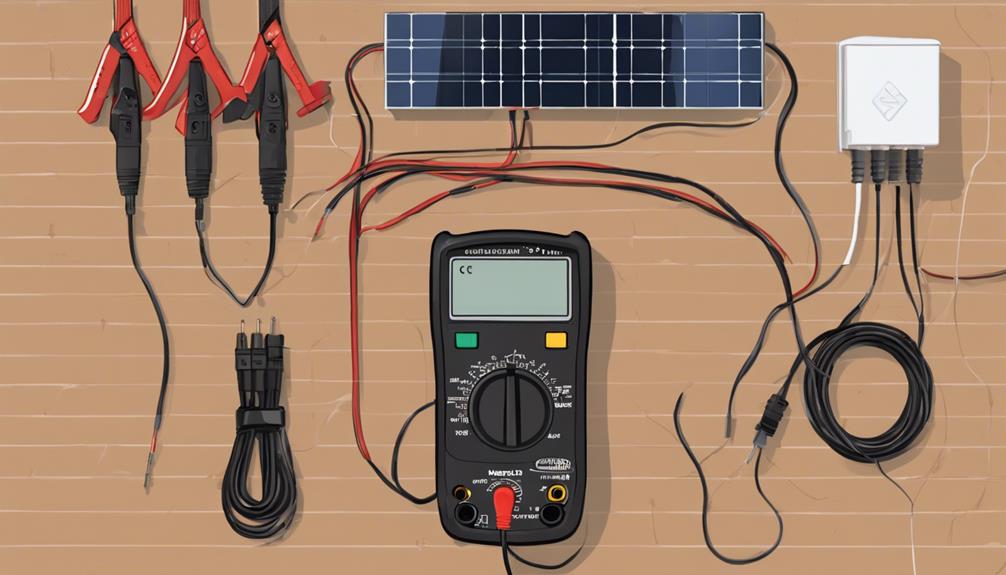
Follow marine wiring best practices (ABYC guidance): tinned stranded conductors, correct ampacity and voltage‑drop planning (aim ~3% drop), fuses close to the source (battery or PV arrays as applicable), and marine‑grade connectors (watertight MC4 or equivalent). Use 316 stainless exposed fasteners and products rated for salt environments.
Monitoring
Remote monitoring (battery voltage, SOC, PV production) helps optimize use and spot faults early. Many MPPTs and inverter systems offer Bluetooth or networked monitoring modules.
Sizing & a quick sample system (30–40 ft cruiser)
- Daily load: 2,000 Wh/day → 167 Ah/day @12V
- Battery bank: 250 Ah LiFePO4 (≈2–3 kWh nominal, ~80% usable)
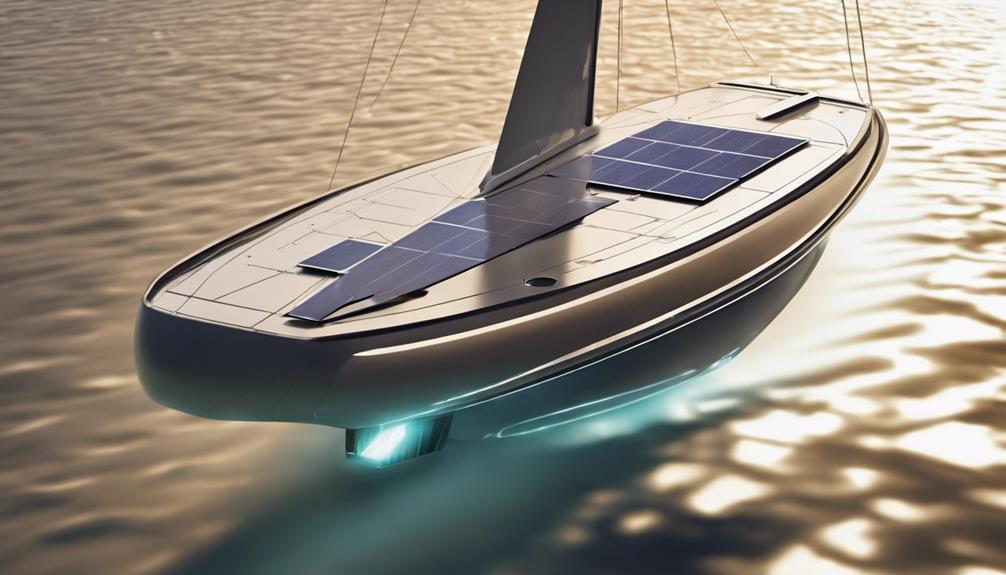
- PV array: 600–800 W of framed monocrystalline panels (multiple panels to minimize shading impact)
- Charge controller: MPPT rated 60–80 A at 12 V (or dual MPPT inputs)
- Inverter: 1,500–3,000 W depending on AC loads; inverter‑charger if shore/generator integration is needed
- Alternator charging: add DC‑DC regulator if you want dedicated lithium charging from engine alternator
Installation best practices
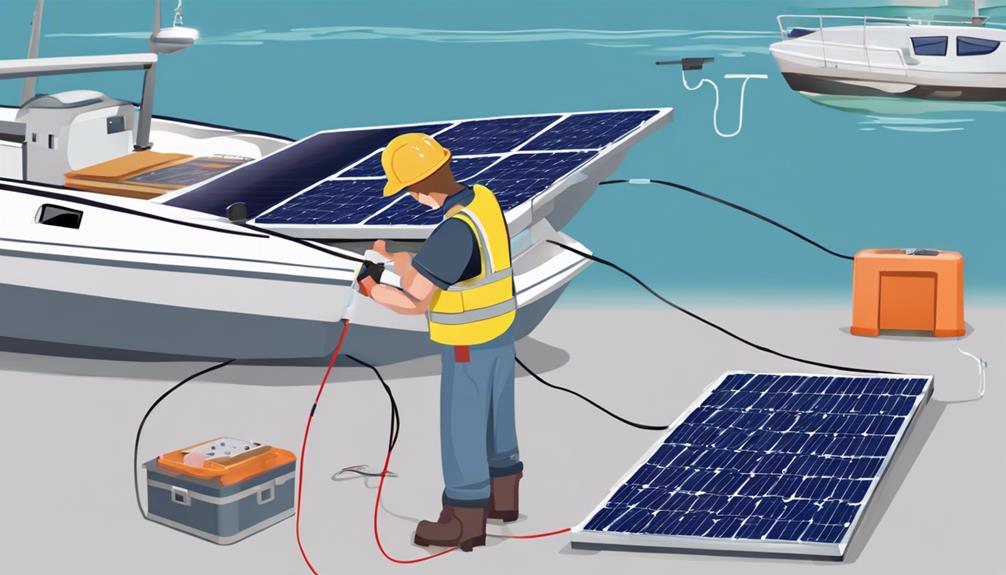
- Mounting: use marine‑grade mounts and adhesives; consider through‑deck bolts with proper backing plates and bedding to prevent leaks.
- Corrosion control: isolate dissimilar metals, use 316 stainless exposed fasteners, and seal penetrations with proper bedding compound.
- Shading mitigation: avoid shading paths; wire panels in multiple strings or use separate MPPT inputs/optimizers to limit whole‑array losses.
- Fusing & wiring: place fuses at the source, keep DC runs short, and size conductors for ampacity and <3% voltage drop.
- Ventilation: keep batteries and controllers ventilated and away from hot engine spaces.
Operation & maintenance checklist
- Monthly: clean panels with fresh water, inspect mounts and cabling for chafe and corrosion.
- Quarterly: check battery connections, BMS fault logs, and controller/monitoring data for unusual behavior.
- Annually: verify fuses, busbar torque, and run a full battery capacity check; replace flexible panels sooner if showing degradation.
Safety, standards & when to call a pro
Follow ABYC or equivalent marine wiring standards for DC and AC systems. Improper wiring and incorrect fusing are major causes of failures and fires. Hire a certified marine electrician for through‑deck penetrations, shore‑power/inverter‑charger installs, and final ABYC compliance checks. Include a disclaimer in your log and system docs about battery BMS cutouts and emergency shutdown procedures.
Buying checklist & example brands
Checklist: panel type and warranty, MPPT capability and rating, battery chemistry and integrated BMS, inverter‑charger compatibility with LiFePO4, marine‑grade wiring/fittings, and monitoring features. Example reputable vendors commonly used in marine systems (category examples, not endorsements): Victron Energy (MPPTs, inverter‑chargers, monitoring), Blue Sea Systems (fuses, breakers, switches), Battle Born/Relion/ Victron‑approved LiFePO4 modules (batteries), SunPower/LG/Canadian Solar (framed panels) and various specialist marine solar installers for flexible panels and custom mounting.
Closing / next steps
Start with a simple energy audit, then match battery capacity, panel wattage and MPPT sizing to your real daily load and available roof area. Prioritize MPPT controllers, a proper LiFePO4+BMS solution if choosing lithium, and ABYC‑compliant wiring and fusing. For through‑deck work, inverter‑charger integration or shore‑power wiring, engage a certified marine electrician.
If you’d like, request a downloadable energy‑audit worksheet and a sample wiring diagram to plan your installation.