Quick checklist
- Compare batteries by Wh (not just mAh). Convert with Wh = (mAh ÷ 1000) × V (example below).
- For most portable systems >100 W or mismatched voltages, choose an MPPT charge controller.
- Pick a power station with Wh capacity and safety certifications (UL/IEC or recognized lab marks).
- Check park rules and airline battery limits before you go (FAA/CPSC guidance).
Quick decisions — three common camping profiles
1. Phone‑only day hikes
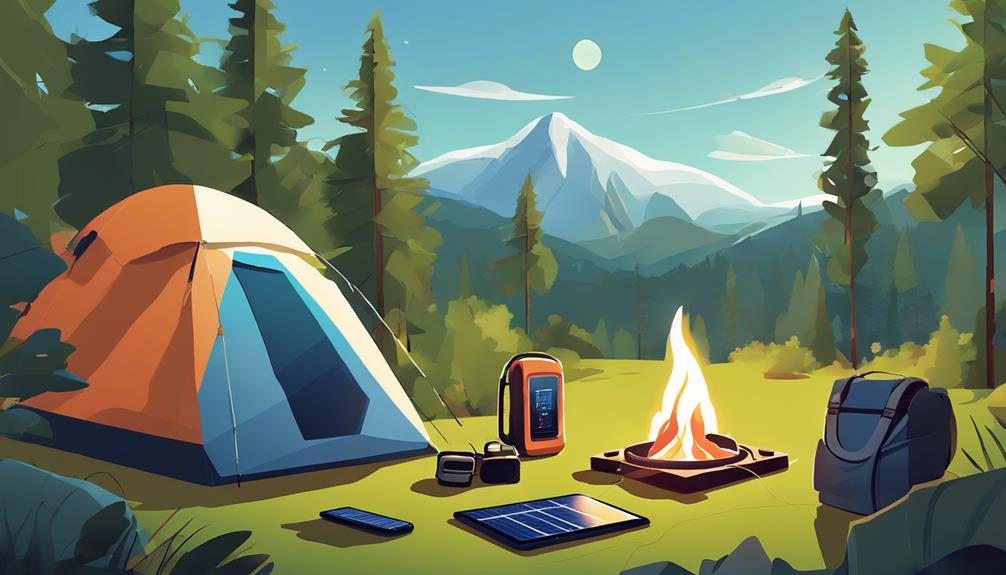
Goal: keep phones, GPS and a few lights charged. Minimal weight and fast packup.
Minimum recommended specs: 20–30 W foldable panel, a 10–30 Wh power bank (or larger power bank listed in Wh), USB‑A/C outputs.
2. Weekend car/camper
Goal: charge phones, camera, small fridge, occasional laptop or AC power.
Minimum recommended specs: 100–200 W portable panel (foldable or suitcase), 500–1,000 Wh portable power station, MPPT controller if panels connect directly to a battery, USB‑PD capable outputs for laptops.
3. Multi‑day off‑grid or van/RV stays
Goal: reliable daily energy for multiple devices, AC loads and longer autonomy.
Minimum recommended specs: 300–800 W array, 2,000+ Wh battery (LiFePO4 preferred for longevity), MPPT controllers, quality cabling and mounting.
How solar charging works — a short primer
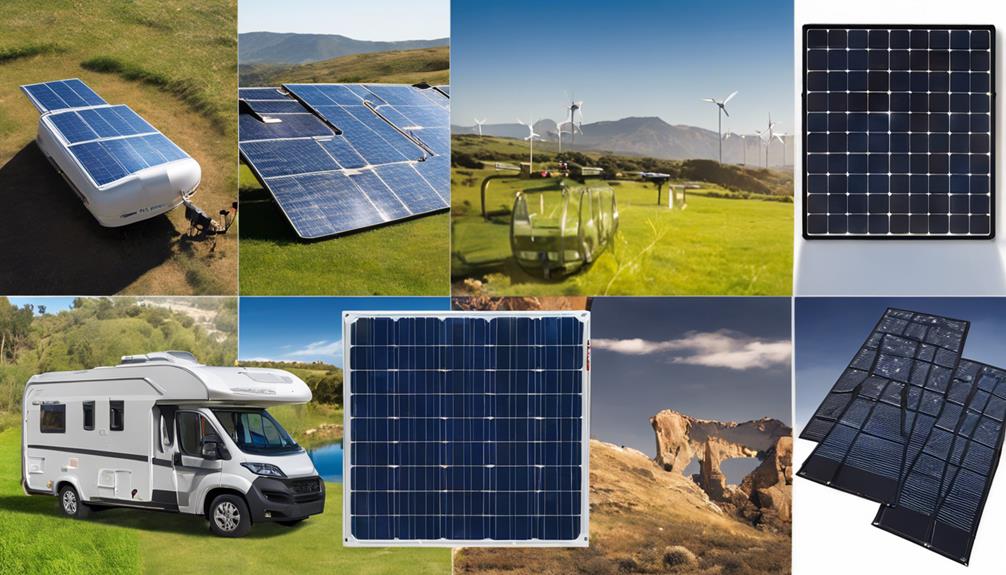
Basic flow: solar panel → charge controller → battery (or power station) → your devices. Portable solar panels (foldable panels) generate DC power; the charge controller (MPPT or PWM) matches that power to the battery or power station. A portable power station includes a battery, inverter and battery management system (BMS) and is the easiest option for multi‑device charging.
Wh vs mAh (mini calculator): Wh = (mAh ÷ 1000) × V. Example: a 4,000 mAh phone cell at 3.7 V ≈ (4000 ÷ 1000) × 3.7 = 14.8 Wh.
Sizing your system (step‑by‑step)
1. Estimate daily device use in Wh (phones ~10–20 Wh/day each; laptops commonly 50–100 Wh/day). 2. Get local peak sun hours (PSH) for your campsite. 3. Use the panel production formula:
Panel W × PSH × system loss factor (≈0.7–0.8) = estimated daily Wh produced
Worked example (panel production): 100 W panel in a location with 4 PSH and using 0.75 loss factor → 100 × 4 × 0.75 ≈ 300 Wh/day.
Two worked examples
Phone‑only day trip
Needs: 2 phones × 15 Wh/day = 30 Wh. With some margin, target 50 Wh storage. A 20–30 W panel in 4 PSH: 25 × 4 × 0.75 ≈ 75 Wh/day — plenty to recharge phones and cover inefficiencies. A 50–100 Wh power bank (check Wh rating) works here.
Weekend car‑camp (2 people, 1 laptop)
Estimate: phones 2 × 15 = 30 Wh, laptop 1 × 80 Wh = 80 Wh, fridge/other = 100 Wh/day → daily need ~210 Wh. Choose a 100 W panel in 4 PSH: ~300 Wh/day (100 × 4 × 0.75). For storage pick a 500–1,000 Wh power station so you have reserve for low‑sun periods and overnight AC use; use MPPT if panel and battery voltages differ.
Component selection
- Panels: modern monocrystalline portable panels commonly reach ~20–23% efficiency; consider tradeoffs between efficiency, weight and foldability.
- Controllers — MPPT vs PWM for camping: choose MPPT for most setups (especially >100 W or voltage mismatch). PWM is only acceptable for very small panels sized to a battery voltage.
- Batteries/power stations: compare by Wh. Prefer units with safety certifications and BMS. For repeated use, LiFePO4 (LFP) offers longer cycle life and better thermal tolerance than many NMC designs.
- Cables and ports: look for USB‑C with USB‑PD (many laptops need 60–100W PD). Verify connectors, fusing and IP rating for outdoor use.
Deployment tips
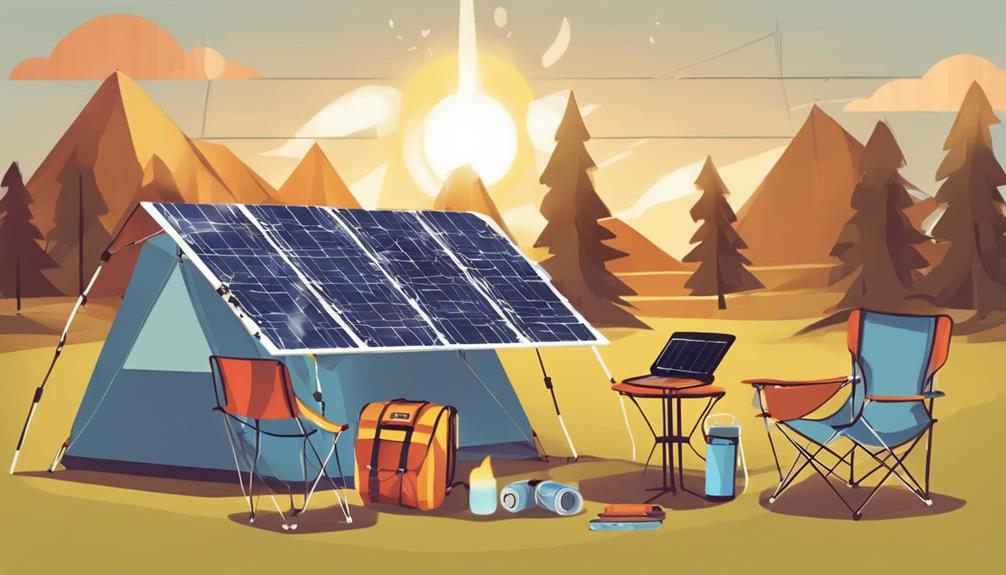
- Face panels toward true south (northern hemisphere) and tilt roughly to local latitude for all‑day exposure; flat for mid‑day peaks if you can’t tilt.
- Avoid shading — a small shadow can reduce output dramatically.
- Secure gear against wind; use non‑abrasive straps and keep connections dry (IP‑rated gear where possible).
Safety, certifications and regulations
Use power stations and batteries that list Wh and safety certifications (UL/IEC or recognized test lab marks). Check FAA/airline rules if you’ll fly with batteries and consult park or land manager rules about generators and equipment. The U.S. CPSC maintains guidance and recalls related to battery safety—certification matters.
Check before you go: verify (a) local park or campground rules and (b) airline/transport rules for lithium batteries for your planned trip.
Example setups (spec thresholds, not brands)
- Phone‑only pack: 20–30 W panel + 50–100 Wh power bank; USB‑C or USB‑A outputs.
- Weekend car‑camp: 100–200 W foldable panel + 500–1,000 Wh power station (MPPT recommended); USB‑PD 60–100W output for laptop.
- Multi‑day/van: 300–800 W array + 2,000+ Wh LiFePO4 battery bank; MPPT controllers and AC inverter sized to peak loads.
Quick troubleshooting
- Low battery: check panel orientation, shading and controller connections first.
- Slow charging: confirm MPPT operation, cable quality and that the power station accepts solar input at the panel voltage.
- Unexpected shutdowns: verify battery temperature, BMS fault codes and that loads don’t exceed inverter continuous rating.
Further reading
- NREL / PVWatts for local peak sun hours
- FAA guidance on lithium batteries and Wh conversions
- U.S. CPSC battery safety and voluntary standards
- Resources on MPPT vs PWM and LiFePO4 vs NMC battery comparisons
Practical solar charging while camping comes down to matching realistic device needs (Wh) to solar production (panel W × PSH) and reliable storage (Wh with certified power stations). Size conservatively, prefer MPPT for larger setups, and always check safety and local rules before you go.