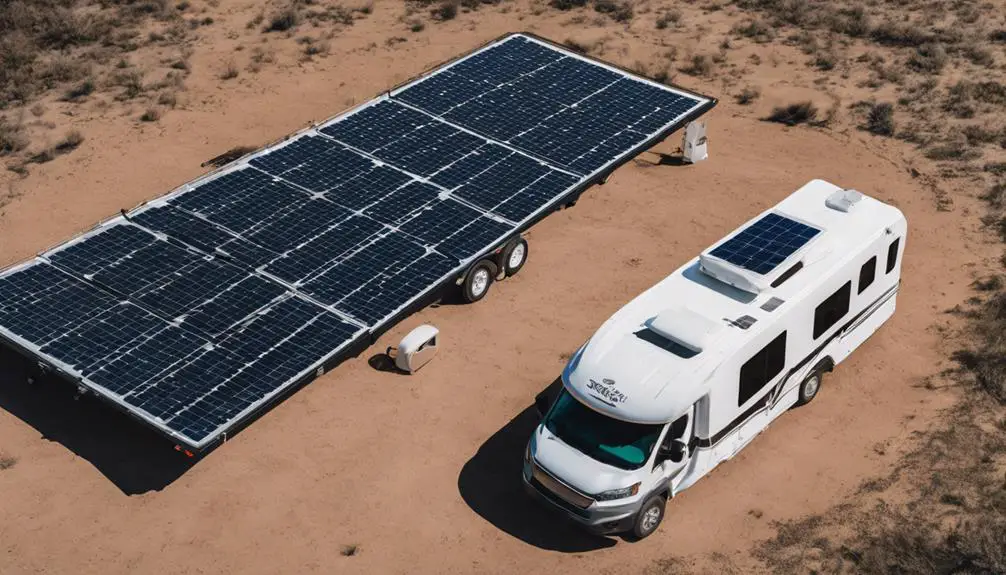
TL;DR: For everyday in‑car charging, a quality USB‑C Power Delivery (USB‑PD) car adapter (30 W+) plus a good cable is the simplest, fastest, and most reliable option. Solar charging becomes the better solution when you spend extended time off‑grid — but only if you pair a good foldable solar panel with a PD‑capable power bank (MPPT recommended). Solar alone is weather‑dependent and usually slower than wired car charging (as of July 4, 2026) (Apple; solar testing).
Quick comparison — which to pick
- Choose a USB‑C PD car charger if you commute daily, need fast top‑ups during drives, or want a low‑maintenance solution.
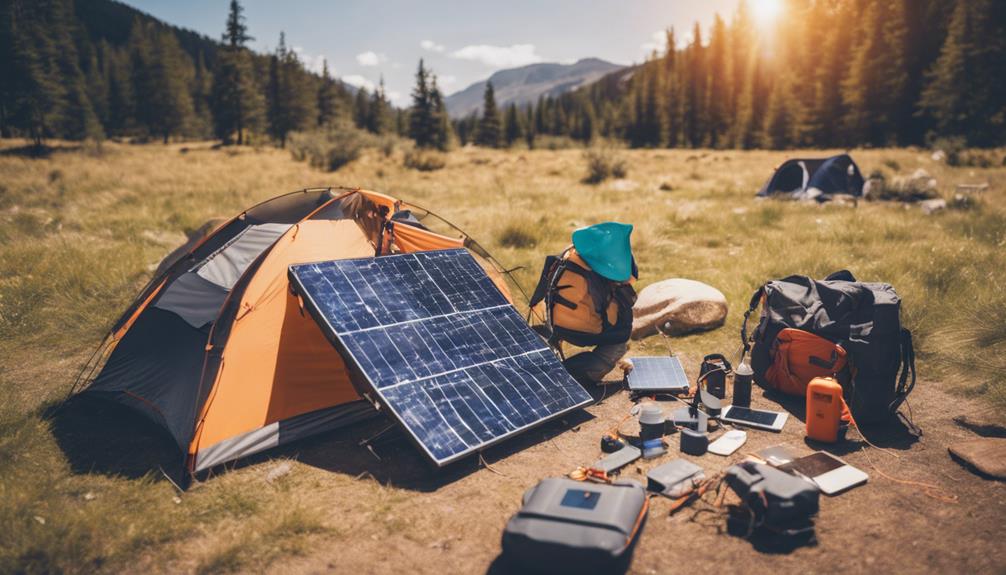
- Choose a solar + PD power bank if you’re camping, hiking, or regularly away from grid power for long stretches.
- Hybrid (car charger + solar bank) is ideal for road trippers who want fast charging in the vehicle and supplement battery recharge at campsites.
How iPhones charge today
Modern iPhones support USB‑Power Delivery (USB‑PD) for the fastest wired charging (Apple recommends using a 20 W or higher USB‑C adapter for fast charging; expect ~50% in about 30–35 minutes under ideal conditions) (Apple, as of July 4, 2026). MagSafe and Qi wireless options are convenient but generally lower in efficiency and peak wattage (MagSafe historically up to ~15 W for supported models), so wired PD remains the fastest method in most real‑world cases.
Charging in a car: what works and what to buy
Cars provide power through the 12 V DC accessory port (cigarette lighter). The practical way to charge an iPhone while driving is a USB‑C PD car adapter that converts vehicle DC to the PD profile your phone expects.
- Look for a 30 W (or higher) USB‑C PD car adapter for reliable fast charging and compatibility with larger devices.
- Use a high‑quality USB‑C to Lightning cable (or USB‑C to USB‑C for native USB‑C iPhones) and prefer MFi‑certified Lightning cables where applicable.
- Choose reputable brands with over‑current/over‑temperature protection — cheap chargers may limit speeds or cause thermal issues (industry testing favors 30 W+ models) (car charger reviews).
Magnetic/Qi car mounts trade speed for convenience; they’re fine for short top‑ups but don’t match wired PD for sustained fast charging.
Solar charging explained: panels, power banks, and reality
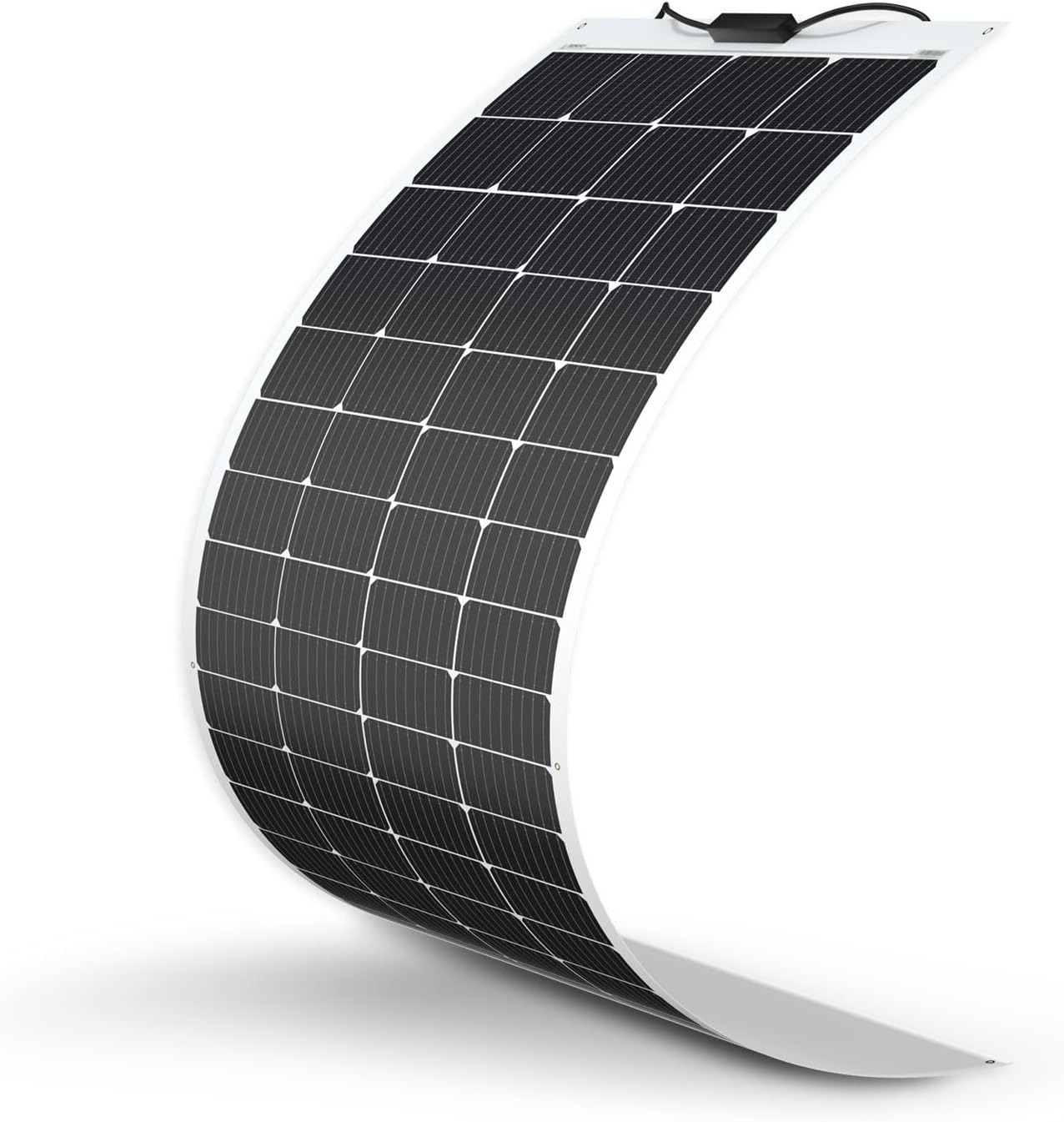
Solar charging comes in three basic forms: small USB solar panels (direct output), integrated solar power banks (battery + tiny panel), and larger foldable panels meant to recharge a separate power bank. The reliable use pattern for phones is: solar panel → power bank (with MPPT and USB‑C PD) → phone. That avoids variability caused by clouds, angle, and heat.
Key technical notes:
- MPPT (maximum power point tracking) improves energy harvest from panels and is worth the price for larger panels.
- Pass‑through charging (panel → bank → phone at once) is convenient but check bank specs; not all support it safely at full PD speeds.
- Real output vs nameplate wattage: a “10 W” panel often yields 5–8 W under real conditions; a 20–30 W panel with MPPT can sometimes approach 15–20 W in optimal sun. Expect large variability depending on sun angle, temperature, and shading (testing sources recommend planning for lower real output) (solar testing).
Example (approximate): an iPhone battery typically stores ~10–15 Wh. Under ideal conditions a 20–28 W foldable panel might supply enough current to replace a full charge in 1–2 hours when routed through a PD power bank; a 10 W panel often takes several hours or longer. These are approximations — don’t expect a tiny clip‑on panel to perform like a PD car charger.
Best setups by use case
- Daily commuter: 30 W USB‑C PD car adapter + good USB‑C/Lightning cable.
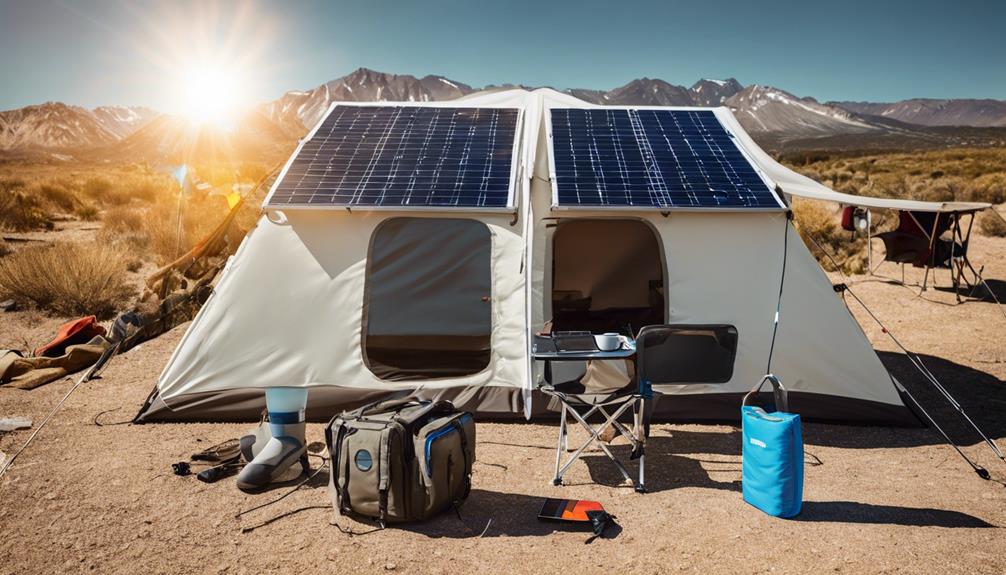
- Road trip / mixed drives and camps: car PD adapter + 20–30k mAh PD power bank + a 20–28 W foldable solar panel for campsite top‑ups.
- Backcountry camper/hiker: lightweight 20–28 W foldable panel with MPPT + 10–20k mAh PD bank (balance capacity vs weight).
- Emergency kit: compact solar power bank (with at least 10–15W input capability) and a car charger as backup.
Buying checklist & safety tips
- Prioritize USB‑PD / PPS support for faster, smarter charging.
- Use MFi‑certified Lightning cables for Lightning iPhones.
- For solar: choose panels with MPPT or pair with a power bank that has MPPT input handling.
- Check pass‑through capability if you want simultaneous charging of bank and phone.
- Avoid cheap, unbranded chargers — they often underdeliver or lack protections.
FAQ
Can I charge an iPhone from a solar panel while driving? Not reliably. Direct panel → phone depends on sun and panel orientation; use the car’s USB‑C PD adapter or charge a power bank first.
Will a solar power bank fast‑charge my iPhone? Only if the bank supports USB‑PD at sufficient wattage (20 W+ recommended). Otherwise charging will be slower than a wired car adapter.
Conclusion & quick picks
For everyday, in‑car charging: pick a 30 W+ USB‑C PD car charger and a good cable. For off‑grid reliability: invest in a foldable panel with MPPT and a PD power bank (20–40k mAh for multi‑day trips). For most travelers, the best approach is a hybrid kit: car PD adapter for drives plus a solar‑rechargeable power bank for campsite days.
Which one for me? (Quick 3‑question quiz)
- Do you spend most of your time in a car? → Car charger.
- Are you often outdoors away from outlets for full days? → Solar panel + PD power bank.
- Both? → Hybrid: car PD adapter + solar‑rechargeable bank.
Before buying, re‑check the latest iPhone charging specs for your model and verify product tests if you publish after July 4, 2026.