Safety first: Do not connect homemade modules to the grid without written utility approval and a licensed electrician/inspection. This article explains options, risks, costs, and when to DIY vs hire a pro — not step‑by‑step fabrication instructions.
TL;DR — Quick takeaways
- Solar cells (PV cells) turn sunlight into DC electricity; cells are built into modules (commonly called “panels”), and modules form arrays that feed inverters to power a home.
- Options range from buying certified prebuilt modules or a full install to assembling cells or buying DIY kits. Certified, professionally installed systems are usually safer, more efficient, and eligible for incentives.
- DIY/kit routes can cut upfront component costs but often increase labor, reduce warranties, and may block interconnection or incentives.
- Permits, NEC code requirements, UL/IEC certifications, and utility interconnection rules typically apply; battery systems add further code and fire-safety scrutiny.
What is a solar panel (PV module)?
At a basic level, a photovoltaic (PV) cell—usually silicon—converts sunlight to DC electricity by the photovoltaic effect. Multiple cells wired together and encapsulated with protective materials become a PV module (a “solar panel”). Modules have electrical specs such as rated wattage (W), Vmp (voltage at maximum power), Imp (current at maximum power), and a percent efficiency under Standard Test Conditions (STC). Modules are wired into arrays and use inverters or module‑level power electronics (MLPE) to produce AC for your house.
Homeowner options — pros, cons, and suitability
1) Buy certified prebuilt modules
Pros: Tested to standards (UL 61730, IEC 61215), long warranties (10–25 years), predictable performance, straightforward permitting and interconnection in many jurisdictions. Cons: Less hands‑on learning, upfront cost.
2) Assemble commercial PV cells into a module (home assembly)
Pros: Educational and potentially lower material cost per watt if you source cells. Cons: Assembled modules typically lack factory lamination, environmental testing, and certifications—raising shock, weathering, and fire risks and likely voiding insurance and blocking grid interconnection and incentives.
3) Buy a DIY panel kit
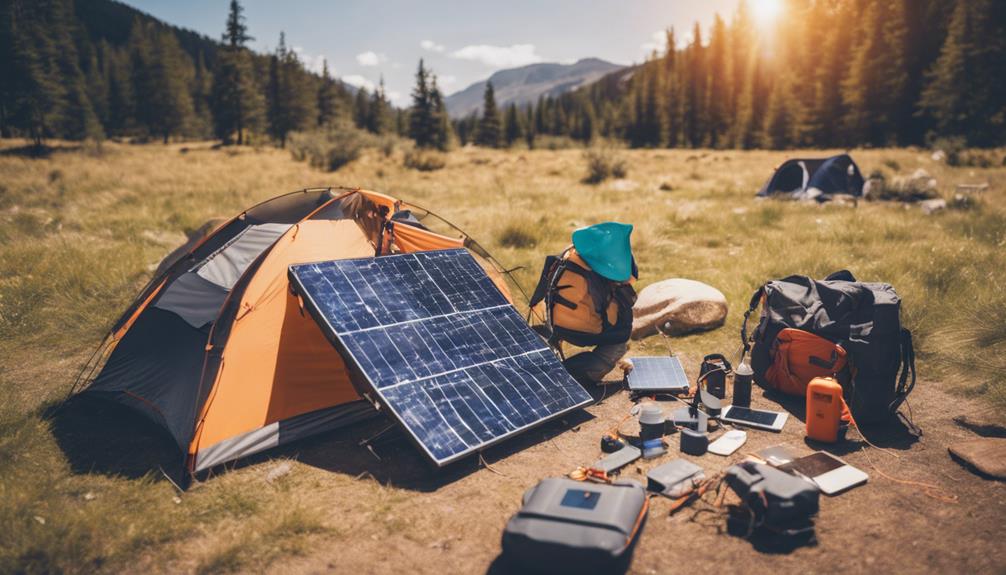
Pros: Kits often include pre-tabbed cells, frames, and simplified mounting—good for small off‑grid projects like sheds or battery‑backed outbuildings. Cons: Kits vary widely in quality; many are not certified for grid‑tie use and usually have limited warranties.
4) Buy a complete professionally installed system
Pros: Installer handles design, permitting, interconnection, and warranty; systems typically achieve best ROI and compliance with utility rules. Cons: Higher upfront cost than bare DIY materials, though installers often get better module/inverter pricing.
Safety, codes, and the big “Do not”
Do not connect homemade modules to the grid without written utility approval and a licensed electrician/inspection. U.S. residential PV and battery installations are subject to the National Electrical Code (NEC) and local building/fire codes; battery systems have extra requirements because of thermal‑runaway risks. Commercial modules are tested to UL/IEC standards for safety and durability; uncertified or hand‑built modules can create shock, fire, and insurance problems and may be disallowed by your utility for interconnection.
Permits and inspections are typically required. Many utilities and incentive programs require certified equipment and, in some areas, licensed installers for interconnection or to qualify for rebates/tax credits. Always check your local building department and utility interconnection application before purchasing or connecting equipment.
Core components you’ll need beyond panels
- Inverter(s): string inverter, microinverter, or hybrid inverter (MPPT is key for efficiency).
- Racking and mounting hardware, flashing for roof penetrations, and wind/snow load considerations.
- Electrical balance of system: conduit, wiring, combiners, disconnects, overcurrent protection, grounding.
- Monitoring and safety devices; module‑level power electronics (MLPE) if required by code.
- If adding storage: battery energy storage system (BESS) with an appropriate battery management system (BMS) and code‑compliant enclosure and clearances.
Costs & financial context (prices as of June 2026)
General ranges (U.S., June 2026): a single commercial 400 W rooftop module typically costs $150–$350 retail; full residential installed systems average $2.50–$3.50 per watt before incentives for a typical 5–8 kW system, but prices vary by market and installer. DIY material costs can be lower per‑panel but don’t include value of labor, permitting, equipment for safe installation, or lost incentives if ineligible. Source comparisons and market reporting (Forbes, SolarTechOnline, EnergySage) show installers often achieve better net pricing when factoring warranties and performance.
Always verify current local incentives (federal tax credits may apply but have eligibility rules), net‑metering policies, and utility interconnection requirements before assuming payback timelines.
Performance & longevity
Commercial panels typically carry product and power warranties (10–25 years) and are engineered to degrade at ~0.3–0.8% per year depending on technology. DIY or home‑assembled modules commonly lack these tested warranties and may degrade faster due to moisture ingress, microcracking, or poor lamination.
When to DIY and when to hire a pro — quick checklist
- Consider DIY kits or small home‑built modules for off‑grid projects, educational builds, or low‑voltage battery experiments with proper safety protocols.
- Hire a licensed installer for roof‑top grid‑tied systems, large arrays, integrated battery storage, complex permitting, or when you want warranty and incentive eligibility.
- If you lack electrical wiring experience, roofing experience, or familiarity with local code/utility rules — hire a professional.
Further reading & resources
Consult U.S. Department of Energy or NREL pages for PV basics, your local building permit office for code requirements, and your utility’s interconnection guide before buying equipment. Energy marketplaces like EnergySage can help compare installers and offers.
Short FAQ
Can I sell excess power? Often yes via net metering or export programs, but rules vary by utility and may require certified equipment and approved interconnection.
Are homemade panels legal? They can be legal for isolated/off‑grid use, but grid‑tie interconnection usually requires certified modules and compliance with utility and code rules.
How long do DIY panels last? Likely shorter than certified panels—expect higher degradation and limited or no warranty unless the kit/vendor provides one.
Will DIY save money? Sometimes on very small projects; for full home systems, professional sourcing and labor often produce better long‑term value.
Disclaimer: This article is informational only and not a substitute for a licensed electrician or local code advice. Check local building departments and your utility before installing or connecting PV equipment.