Choosing the right battery architecture is a cornerstone of effective home solar battery storage. A 48 volt battery bank has become a popular choice for residential systems because it balances safety, efficiency, and compatibility with modern inverters and charge controllers. This article explains what a 48 volt battery bank is, how it fits into a home solar battery storage strategy, practical sizing guidance, installation considerations, and common use cases to help homeowners decide whether a 48v battery system is right for their needs. Exploring a 48 volt battery bank clarifies sizing and integration for reliable residential solar battery storage.
What is a 48 volt battery bank and why it matters
A 48 volt battery bank is a battery configuration whose nominal voltage is 48 volts, achieved by arranging individual battery modules or cells in series and sometimes in parallel to reach the desired capacity and voltage. In residential solar systems, 48 volts is often the preferred standard because it reduces current for the same power output, which in turn allows for thinner wiring, lower conduction losses, and improved efficiency compared with 12 volt or 24 volt systems. A properly designed 48v battery system also works smoothly with many string inverters and hybrid inverters designed for home use, making it a practical choice for whole-home backup and daily energy shifting.
Key components and configuration of a 48v battery system
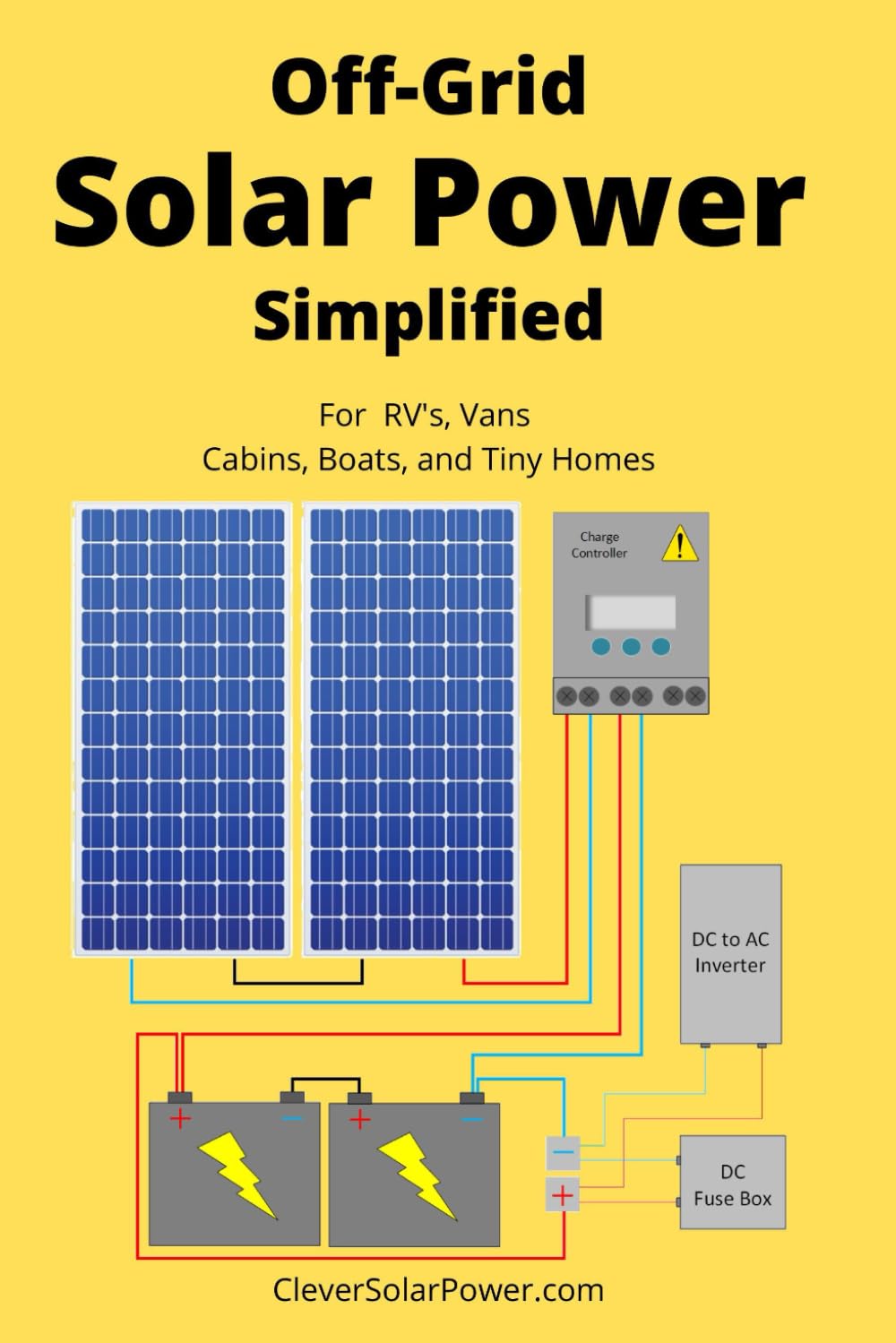
The core of a 48 volt battery bank is the battery chemistry and the way individual units are connected. Common chemistries for residential systems include lithium iron phosphate (LiFePO4) and sealed lead-acid, though lithium is increasingly dominant due to longer cycle life and higher usable capacity. A typical approach is to connect four 12 volt batteries in series to achieve 48 volts, or to use purpose-built 48v battery modules that consist of multiple cells packaged together. In addition to the batteries themselves, a complete 48v battery system will include a battery management system (BMS) to monitor cell balance and state of charge, a charge controller or hybrid inverter to handle PV input, and safety hardware such as fuses, breakers, and a proper enclosure to meet local electrical codes.
Sizing your 48 volt battery bank for home needs
Sizing a 48 volt battery bank starts with calculating the household’s energy needs and how much backup or shift capacity is desired. Multiply the home’s average daily kWh consumption by the number of days of autonomy required to get a target usable capacity. For example, a household that uses 20 kWh per day and wants one day of backup requires about 20 kWh of usable storage. To convert to battery ampere hours for a 48v system, divide watt-hours by 48 volts: 20,000 Wh / 48 V = about 417 Ah. If using a battery with 90 percent depth of discharge, the required nominal capacity will be higher. Taking efficiency losses into account, most homeowners end up selecting modular 48v battery banks in the range of 5 kWh to 20 kWh for typical residential backup and load-shifting applications, while larger homes or off-grid properties may need 30 kWh or more.
Installation, safety, and maintenance considerations
Installing a 48 volt battery bank requires attention to electrical safety and compliance with local codes. Because a 48v battery system operates at a higher nominal voltage than 12 volt systems, wiring must be sized for the expected continuous and peak currents, and connections should be made with appropriate torque to reduce resistance and heat. The battery enclosure should be ventilated if using lead-acid chemistry and located away from living areas where possible; lithium systems typically have more flexible placement options but still require secure mounting. Regular maintenance for lead-acid systems includes monitoring electrolyte levels and specific gravity, while lithium batteries usually need only periodic checks for firmware updates on the BMS and inspection for proper temperature and ventilation. Additionally, homeowners should plan for safety devices such as DC disconnects, fuses, and a trusted installer to verify proper grounding and system integration with grid-tied or off-grid inverters. If your setup requires lower voltage, consider the 24V lithium option for similar capacity and simplified wiring.
Practical use cases for a 48 volt battery bank in home solar
A 48 volt battery bank supports several common residential scenarios. For homeowners focused on resilience, a 48v battery system paired with a hybrid inverter can provide whole-home backup during outages, powering lights, refrigerators, well pumps, and essential circuits. For those on time-of-use utility rates, a 48v battery bank enables energy shifting: storing excess solar production during midday and discharging in the evening when rates rise. Off-grid cabins and remote properties benefit from the efficiency of a 48 volt architecture, which decreases conductor sizes and improves inverter performance for longer-run systems. Additionally, homeowners installing electric vehicle chargers can use a 48v battery bank to supplement charging during peak times or to reduce demand charges. In all of these use cases, the balance between capacity, discharge rate, and battery chemistry should be matched to the household’s priorities—whether that’s maximum runtime, cycle life, or lowest installed cost.
Cost, lifecycle, and future-proofing your investment
Costs for a 48 volt battery bank vary widely depending on chemistry, brand, and capacity. Lithium-based 48v battery systems typically have higher upfront costs but lower lifecycle costs due to deeper usable capacity and longer cycle life compared with lead-acid. When evaluating options, consider not only the purchase price but also the warranty, cycle rating, round-trip efficiency, and the scalability of the system. Choosing a modular 48v battery bank that allows additional modules to be added later can make upgrading easier as energy needs grow or as new technologies become available. Finally, look for systems with robust communication protocols and BMS features that make integration with smart home energy management and PV forecasting tools straightforward—this helps future-proof the investment as home energy systems become smarter and more connected.
In conclusion, a 48 volt battery bank is a versatile and efficient option for many home solar battery storage projects. It strikes a practical balance between safety and performance, works well with modern inverters, and supports a wide range of residential use cases from backup power to load shifting. Proper sizing, appropriate chemistry selection, and attention to installation and maintenance will ensure a 48v battery system delivers reliable service and strong long-term value for homeowners looking to maximize the benefits of solar energy.