Summary (lead): As of 29 June 2026, there is no single “best” renewable‑energy solution worldwide. The optimal approach combines low‑cost variable renewables (solar and wind) with firm resources, storage, stronger grids and smart policy — a location‑specific portfolio designed to meet local needs and constraints.
Short answer: there is no single best solution
Authoritative assessments conclude that high shares of renewable electricity are technically feasible, but success requires a mix of technologies and system measures rather than one silver bullet (IPCC AR6 WG3, 2022). The International Energy Agency and other trackers show record renewables deployment in the mid‑2020s, but integrating large amounts of variable renewable energy (VRE) depends on storage, flexible generation, transmission, market design and demand flexibility (IEA Renewables, 2024; IEA Global Energy Review, 2025).
Key renewable technologies today
Solar PV (utility‑scale and distributed)
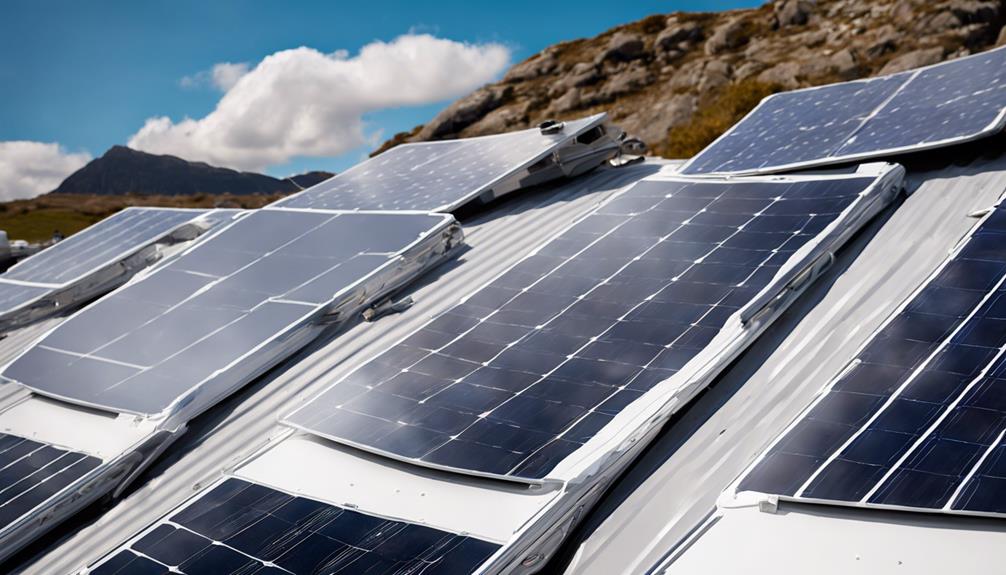
Solar PV has led global additions in the 2020s because of rapidly falling capital costs and predictable performance in many regions. Utility‑scale and rooftop systems are often the lowest‑cost new power option in sun‑rich markets (Lazard LCOE+ v17.0, June 2024). Best uses: daytime supply, behind‑the‑meter savings, and pairing with batteries for evening demand.
Wind (onshore and offshore)
Onshore wind remains highly cost‑competitive; offshore wind is growing faster where coastal resources and deeper financing are available. Wind complements solar seasonally and diurnally, but high‑wind shares need balancing through storage, interconnection, or firm capacity (IEA Renewables, 2024).
Hydropower & pumped storage
Hydropower with reservoirs provides firm, dispatchable power and large‑scale seasonal storage where geography permits. Pumped hydro is the dominant long‑duration, low‑cost storage option today in suitable sites (IPCC AR6 WG3, 2022).
Bioenergy & geothermal
Bioenergy and geothermal supply reliable, dispatchable power in specific contexts: geothermal where subsurface heat is accessible; bioenergy where sustainable feedstocks exist and are managed to avoid land‑use tradeoffs (IPCC AR6 WG3, 2022).
Marine/tidal and CSP (concentrated solar power)
Marine and tidal are niche, location‑specific options. CSP with thermal storage can provide multi‑hour or even seasonal firming in high‑insolation regions but requires higher capital and specific siting (recent technology reviews, 2024–2026).
The real “solution”: system design and enabling elements
Meeting climate and reliability goals means designing whole systems — matching resources, markets and networks to the local context. These are the building blocks:
- Grid expansion and interconnection. Wider grids smooth variable output across regions. Transmission investments unlock diverse resources and reduce balancing costs (IEA, 2024).
- Storage: short and long duration. Lithium‑ion batteries have driven down short‑duration storage costs and are ideal for 2–6 hour shifting; long‑duration energy storage (LDES) like pumped hydro, thermal stores, flow batteries and hydrogen are critical for multi‑day or seasonal balancing (IEA/BNEF analysis, 2024–2025).
- Flexible generation and firm resources. Reservoir hydro, biomass, geothermal and dispatchable low‑emission plants provide capacity during low VRE periods. Market rules that value firm capacity help finance these resources (IPCC AR6 WG3, 2022).
- Demand response and electrification. Shifting loads (ev charging, industrial processes) reduces peak needs and increases VRE utilization. Smart meters, time‑of‑use tariffs and industrial flexibility are cost‑effective grid tools.
- Market design and policy. Clear procurement, permitting reforms, and incentives for firming and storage attract investment. Policies must align short‑term markets with long‑term reliability goals.
- Green hydrogen and other seasonal options. Electrolytic hydrogen can store energy across seasons and serve hard‑to‑electrify sectors, but current costs remain higher than fossil alternatives; cost reductions are plausible with scale and cheaper renewables (BNEF/IEA hydrogen analyses, 2023–2025).
- Localization: land, social acceptance and supply chains. Siting, workforce development and critical‑minerals supply determine how fast and cheaply projects can be deployed.
What works where: regions with abundant sun typically combine solar + 4–6 hour batteries; river‑rich regions rely on hydro reservoirs plus VRE; islands prioritize storage and interconnection; industrial clusters may prioritize green hydrogen for feedstock and seasonal storage.
How to decide “what’s best” in your location — practical checklist
Use these steps to evaluate renewable options for a city, utility or company:
- Resource assessment: quantify solar irradiation, wind speeds, hydro potential and geothermal prospects using national or global maps.
- Grid capacity and constraints: check existing transmission, interconnection queues and local congestion risks.
- Cost comparison: use LCOE/LCOH/LCOS studies with local financing, capacity factors and firming needs (Lazard LCOE+ June 2024; local utility data).
- Flexibility needs: estimate peak timing — do you need short‑duration or seasonal storage?
- Land and permitting: evaluate siting, environmental and social consent requirements early.
- Finance and incentives: analyze available subsidies, tax incentives, and private finance conditions.
- Policy alignment: ensure market rules reward capacity, flexibility and firm low‑carbon power where needed.
Example: a sunny inland region with steep evening peaks will likely find rooftop and utility solar + 4–6 hour batteries + demand response the most cost‑effective near term; the same region may add green hydrogen or pumped hydro for seasonal balancing if long‑duration needs appear.
Common myths and outdated claims
- Myth: “There are only three renewables (solar, wind, hydro).” Reality: renewables include bioenergy, geothermal, CSP, marine/tidal and storage solutions beyond the big three (IPCC AR6 WG3, 2022).
- Myth: “Solar automatically halves household bills.” Reality: bill impacts depend on local retail rates, net‑metering, system size and storage — outcomes vary widely (NREL and national benchmarks).
- Myth: “Hydro still supplies 90% of renewables.” Reality: hydropower remains important but its share fell as wind and solar grew; always cite the year and dataset when stating shares (IRENA, 2024).
Bottom line & call to action
There is no universal best technology — the optimal path is a portfolio: low‑cost VRE (solar + wind) plus firming via storage, flexible generation, grid expansion and smart policy (IPCC AR6 WG3, 2022; IEA Renewables, 2024). For planners: start with a local resource and grid assessment, model scenarios that include storage and flexibility, and prioritize policies that value firm capacity and fast permitting.
Author’s note: quantitative figures above use the most recent public analyses available as of 29 June 2026; re‑check fast‑moving items (annual capacity totals, battery pack prices, electrolyser costs) at publication time for precise values.