Intro — why solar (Sloneczna) matters today
As of July 19, 2026, solar (Sloneczna — Polish for “solar” or “sunny”) is one of the fastest‑growing and most widely deployed sources of new renewable electricity. Solar PV and wind together drove roughly 95% of renewable capacity additions through the mid‑2020s, making PV a primary technology for decarbonizing power systems worldwide (IEA, 2024). This article explains how solar works, where it excels, how costs compare, and the realistic limits and solutions for wide‑scale adoption.
What “Sloneczna” means
“Sloneczna” or słoneczna simply means “solar” or “sunny” in Polish — used here as an SEO‑friendly descriptor for solar energy (Cambridge Dictionary). In practice, electricity from the sun is produced mainly by photovoltaic (PV) panels and, in some locations, by concentrated solar power (CSP) systems.
How solar generates electricity
Two main commercial technologies produce electricity from sunlight:
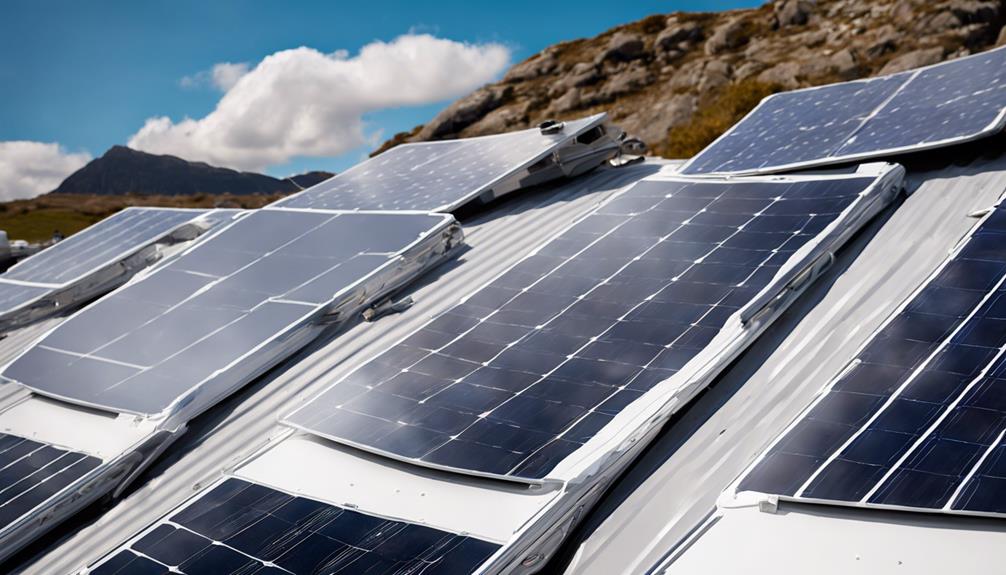
- Photovoltaic (PV): semiconductor panels convert sunlight to DC electricity, then inverters produce AC power for the grid. PV is used at utility scale (large ground arrays) and as distributed rooftop or community systems (NREL).
- Concentrated Solar Power (CSP): mirrors focus sunlight to generate heat stored in thermal media (molten salt, etc.) that can drive turbines. CSP provides longer dispatchability when paired with thermal storage, but is less widespread than PV.
Cost and competitiveness right now
Solar PV is highly competitive but not always the single cheapest option. Global weighted average generation costs in recent assessments show onshore wind among the lowest‑cost sources (~USD 0.034/kWh) and new utility‑scale PV commonly near ~USD 0.043/kWh; actual project costs vary by region, scale, financing, and supply chains (IRENA 2024; Lazard LCOE+ 2024). Technology improvements and manufacturing scale continue to push PV costs down in many scenarios (NREL).
| Onshore wind (global avg) | ~USD 0.034/kWh (IRENA, 2024) |
| Utility‑scale solar PV (global avg) | ~USD 0.043/kWh (IRENA/Lazard, 2024) |
Use these figures as headline comparisons—local bids, incentives, and system design determine the real cost for a given project.
Where solar is best
- Regions with high solar irradiance (sunny climates) yield the highest output per panel, but PV is economically viable in many temperate areas thanks to falling costs (NREL, IEA).
- Distributed rooftop PV reduces transmission needs, offers direct retail bill savings under net‑metering or self‑consumption rules, and supports resilience for households and businesses.
- Utility‑scale PV is efficient for large procurement (PPAs) and grid decarbonization where land and grid access are available.
Limitations and solutions
Solar’s primary technical limit is intermittency: PV produces when the sun shines, not necessarily when demand is highest. Reliable high‑penetration systems combine multiple tools:
- Battery energy storage systems (BESS) to firm output and shift daytime solar to evening peaks — BESS deployment grew rapidly in the early 2020s and many new projects pair batteries with PV (EIA).
- Grid flexibility including demand response, transmission upgrades, and market design that values fast power and grid‑forming inverters.
- Long‑duration storage and complementary resources (geothermal, hydro, CSP with thermal storage) for seasonal balancing where needed.
Environmental and lifecycle impacts
Modern PV systems have much lower lifecycle greenhouse‑gas emissions than fossil fuels. IPCC assessments and peer literature report PV lifecycle ranges commonly around 18–80 gCO2e/kWh depending on manufacturing, location, and grid assumptions, far below coal and natural gas averages (IPCC AR6 WGIII). Recycling and improved supply‑chain practices reduce impacts further.
Economics for consumers and businesses
Decisions depend on local retail electricity prices, incentives, and finance terms. Businesses often opt for PPAs to lock low long‑term prices; homeowners evaluate payback and incentives (tax credits, rebates, net‑metering). Check local programs and get a professional site assessment before investing (EIA guidance).
Practical next steps
- Get a professional rooftop assessment or community‑solar options to compare costs and payback.
- If you’re a developer or utility buyer, model PV with paired storage (BESS) and grid upgrades to ensure deliverability.
- Monitor policy and incentives that affect returns: tariffs, tax credits, and interconnection rules.
Sources & further reading (selected)
- IEA, Renewables 2024 — executive summary (growth and capacity additions).
- IRENA, Renewable Power Generation Costs in 2024 — global weighted LCOE data.
- Lazard, LCOE+ (June 2024) — market LCOE ranges and analysis.
- NREL, Annual Technology Baseline — utility‑scale PV data and scenarios.
- EIA, Today in Energy — battery storage growth and solar+BESS trends.
- IPCC AR6 WGIII, Chapter 6 — lifecycle emissions context.
- Cambridge Dictionary — Polish słoneczny/sloneczna definition.
Solar (Sloneczna) is a leading renewable for electricity today because of rapid deployment, improving costs, and compatibility with storage and flexible grids. It is not uniquely the cheapest option everywhere, nor a standalone solution for all grid needs — but combined with batteries, smart grids, and complementary resources, it is central to most credible decarbonization pathways. For homeowners or businesses, start with a local assessment and compare incentives and PPA offers to find the best path forward.
As of July 19, 2026 — sources: IEA, IRENA, Lazard, NREL, EIA, IPCC, Cambridge Dictionary.