Lead: Renewables are growing fast: in 2024 global renewable capacity additions surged to roughly 700 GW, with solar PV supplying about 75% of new capacity (IEA, 2025). This article explains major technologies, recent market trends, costs, and realistic options for homeowners, communities and utilities.
Why renewable solutions matter now
Climate goals, falling technology costs and policy incentives are driving rapid deployment of renewable electricity. As of 2023, renewables supplied about 25.7% of U.S. net electricity generation, with wind and solar the fastest‑growing components (U.S. DOE, 2024). Globally, large 2024 capacity additions underscore how solar and storage are reshaping power systems (IEA, 2025). At the same time, supply chains, land use, and local environmental impacts create tradeoffs that need planning and safeguards.
Major technologies — what they are and where they fit
Solar PV and CSP
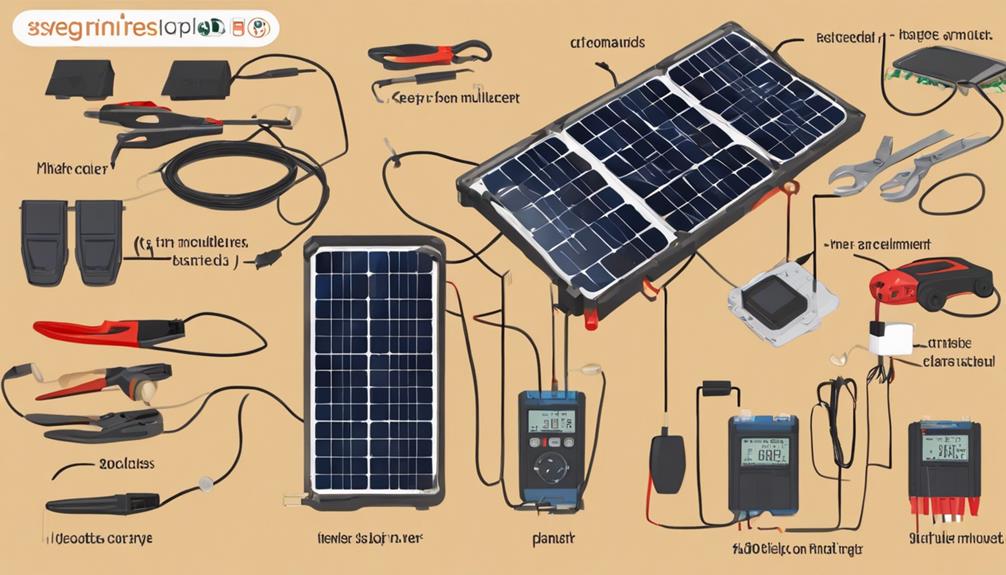
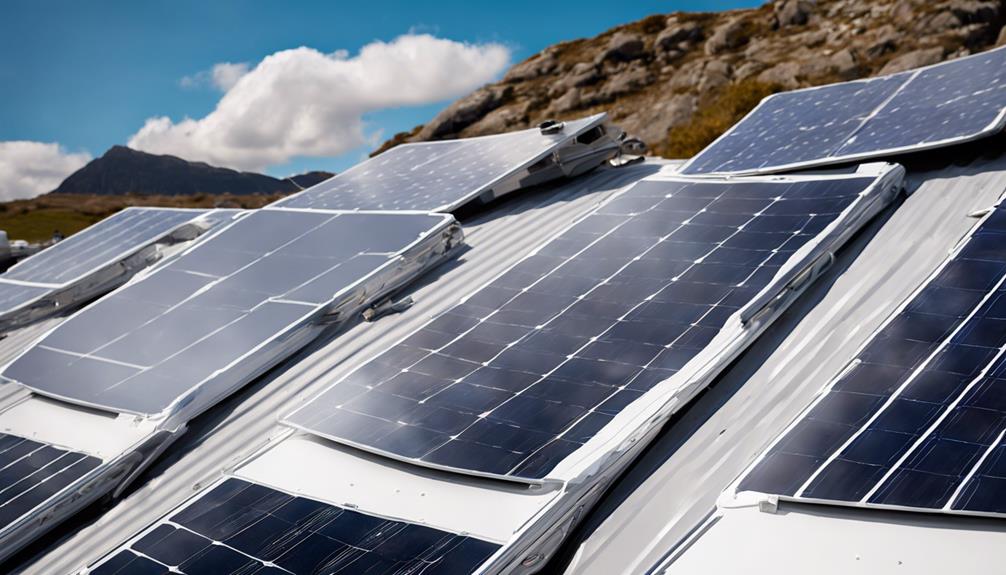
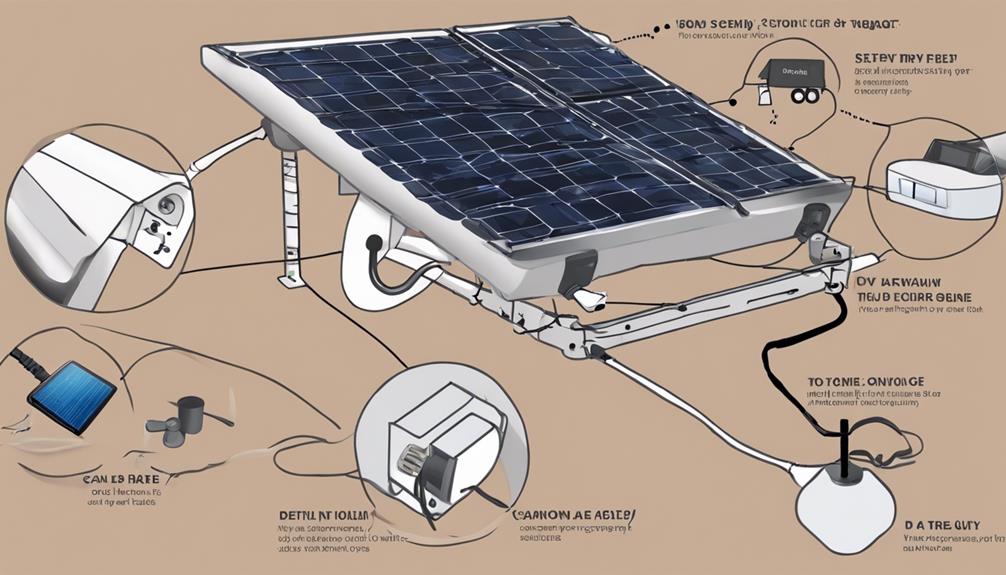
Solar photovoltaic (PV) panels convert sunlight directly into electricity and are used from small rooftop systems to multi‑GW utility plants. Concentrating solar power (CSP) uses mirrors to focus heat for electricity and thermal storage — better for large, sunny sites with needs for dispatchable solar. Solar PV is the dominant new-build technology in many markets due to falling costs and modularity (IEA, 2025).
Wind — onshore, offshore, distributed
Onshore wind is cost‑competitive at utility scale in many regions. Offshore wind offers higher and steadier wind speeds but with higher capital and siting complexity. Small distributed wind exists for some rural properties but is less widely appropriate than rooftop solar due to resource and permitting constraints.
Hydropower
Hydropower historically supplies the largest share of renewable generation globally through reservoir and run‑of‑river plants; pumped storage provides long‑duration storage. Near‑term capacity growth is limited in many regions due to permitting, environmental concerns, and variability from drought (REN21 / IHA, 2024).
Geothermal and Bioenergy
Geothermal offers reliable baseload power where resources exist; bioenergy can provide dispatchable power but raises sustainability questions depending on feedstock. These technologies are site‑specific and usually utility or community scale.
Storage and grid integration
Storage is critical to integrate variable renewables. Battery Energy Storage Systems (BESS) provide fast grid services and capacity shifting; pumped hydro and other long‑duration options provide seasonal or multi‑hour storage. As of 2024, U.S. cumulative utility‑scale battery capacity exceeded ~26 GW after adding about 10.4 GW that year (EIA, 2024). Levelized Cost of Storage (LCOS) and BESS capital costs vary by system size and use case (NREL/Lazard).
Hydrogen explained: energy carrier, not primary fuel
Hydrogen is an energy carrier produced from electricity or fossil fuels. “Green hydrogen” comes from electrolysis powered by low‑carbon electricity; “blue” hydrogen uses fossil fuels with carbon capture; “grey” is produced from unabated fossil gas. Hydrogen can store energy, decarbonize hard‑to‑electrify industrial processes, and serve transport fuels, but electrolyzer deployment and costs are still early‑stage and policy dependent (IRENA, 2024; IEA).
What homeowners and communities can do
- Rooftop solar PV: widely available where roofs and sunlight are suitable; can be paired with behind‑the‑meter battery storage for resilience. Costs have fallen, and incentives (federal tax credits, state rebates, community programs) can improve economics.
- Community solar: shared arrays allow renters and shaded‑roof households to access solar benefits without on‑site installation.
- Energy efficiency: the most cost‑effective first step—LEDs, insulation, heat‑pump space and water heating reduce required system size and bills.
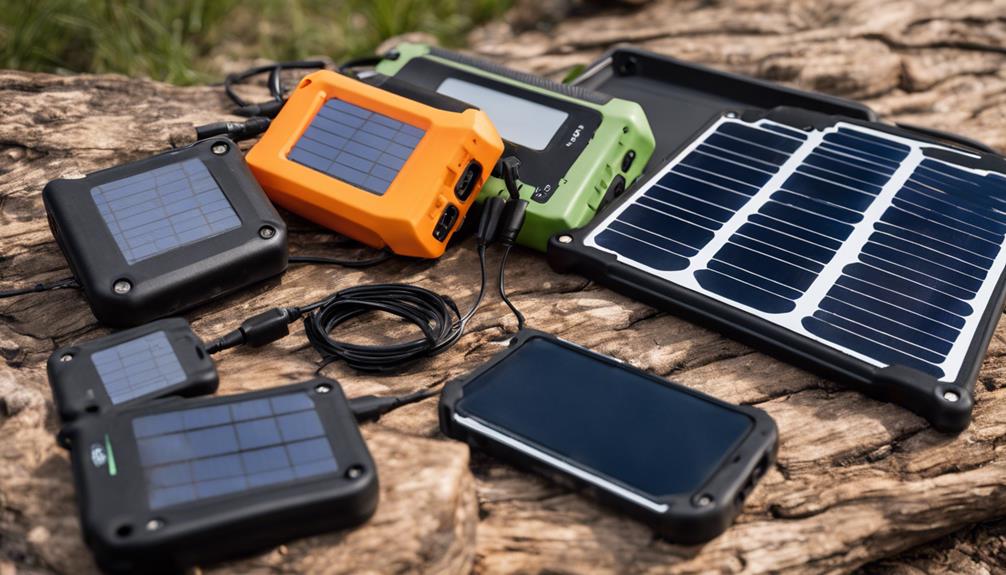
- Small‑scale storage and backup: evaluate needs (backup, bill management) and choose appropriately sized BESS.
- How to get started: estimate annual consumption and potential solar production, check federal/state incentives, request multiple installer quotes, verify licenses/insurance, and review permitting and interconnection rules.
What utilities and policymakers should prioritize
- Grid upgrades and flexible capacity to handle variable resources and two‑way flows from distributed energy resources (DERs) and microgrids.
- Streamlined, transparent interconnection and procurement processes that value storage and grid services.
- Siting and environmental safeguards for large projects—balancing deployment speed with habitat, water and community impacts.
- Targeted incentives and workforce development to broaden access and manage supply‑chain risks.
Common myths and misstatements to avoid
- “Renewables never run out” — more accurate: renewable resources are replenished on human timescales, but deployment is constrained by land, materials, water and climate impacts (REN21, 2024).
- “Hydrogen is the same as hydropower” — incorrect: hydropower generates electricity from water flow; hydrogen is an energy carrier produced from other energy sources (DOE).
- “Anyone can easily build wind everywhere” — small‑scale wind suitability is limited by local wind resource, zoning and economics; rooftop solar is more broadly accessible.
- “Only wealthy households can access renewables” — costs have fallen and financing/incentive programs expand access, but barriers remain and vary by region.
Further reading and authoritative resources
- IEA, “Global Energy Review: Electricity,” 2025 — market and capacity trends (global).
- IRENA, “International Cooperation to Accelerate Green Hydrogen Deployment,” 2024 — hydrogen projections and caveats.
- U.S. DOE, “U.S. Net Generation from Renewables,” 2024 fact sheet — U.S. generation shares.
- EIA, “Utility-Scale Battery Storage Growth,” 2024 — U.S. storage capacity additions.
- NREL and Lazard — LCOE/LCOS methodologies and comparative cost context (various reports, 2023–2024).
- REN21 / IHA, “Hydropower and Market Trends,” 2024 — hydropower context and local impacts.
Editorial note (planner): KEEP. Legacy content used for topic only; wording and facts updated to 2025. Technical review by an energy subject‑matter expert (NREL/utility reviewer recommended) before publication.
Data sources referenced in this article: IEA (2025), IRENA (2024), U.S. DOE (2024), EIA (2024), NREL/Lazard (2023–2024), REN21 (2024).