Deck
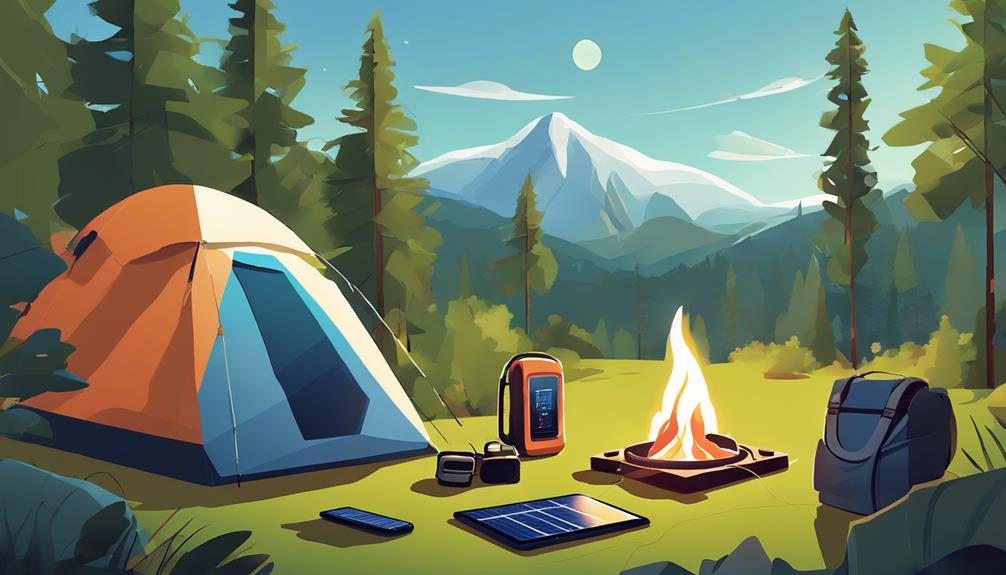
Foldable solar panels for camping offer a lightweight way to harvest energy at camp. This guide explains how they perform in real conditions, what specs matter (wattage, cell type, ports, controllers), how to size panels for common trips, and practical setup and safety tips.
TL;DR
If you just charge phones and lights, a 20–50 W foldable with USB‑C PD is enough. For weekend recharges of a 500–1,000 Wh portable power station, a 100 W foldable (or two) is the sweet spot — expect ~300–500 Wh/day in good sun. Always pair panels with an MPPT controller/power station, check connector compatibility, and follow wiring and fuse guidance.
How foldable panels work (short primer)
Foldable solar panels (aka portable solar panels or solar suitcases) use photovoltaic cells to convert sunlight into DC electricity. Nameplate ratings (e.g., 100 W) are Standard Test Conditions (STC) — ideal lab conditions that rarely persist all day. Real daily energy depends on peak sun hours (PSH), panel angle, temperature, and system losses. Basic formula: watts × PSH × system efficiency = daily Wh. Important electrical specs you’ll see: Vmp/Voc (voltage at max power/open‑circuit), Imp/Isc (current), and whether a panel integrates MPPT or relies on the connected device’s controller. Cell tech (monocrystalline PERC, N‑type, TOPCon, bifacial) affects real‑world efficiency and low‑light behavior.
What size/wattage to pick for common camping setups
Foldable panels are commonly sold from ~20 W up to ~200 W. A 100 W panel is a practical compromise for portability and harvest for many campers.
- Phone, headlamps, small lights (weekend): 20–50 W panel. USB‑C PD 18–30 W ports cover most phones and accessories.
- Cameras, drones, occasional laptop top‑ups: 50–100 W panel or multiple small panels. Drones and camera batteries vary a lot—check Wh needed.
- Recharge a portable power station (500–1,000 Wh) over a weekend: 100–200 W foldable(s). Expect ~300–600 Wh/day from one 100 W panel in good sun; use 300–500 Wh as a conservative planning range.
- Continuous off‑grid or long overland trips: consider higher total wattage and a battery bank sized to your daily Wh demands.
Example calc (assumptions): 100 W × 4 PSH × 0.75 efficiency ≈ 300 Wh/day. Use location tools like NREL PVWatts for precise PSH values.
Key features to compare
- Cell type & efficiency: N‑type/TOPCon/bifacial panels are pricier but perform better in low light and heat.
- Rated wattage vs realistic output: Treat STC wattage as a maximum. Expect 60–80% of rated Wh across a day depending on PSH and losses.
- Weight & pack size: Critical for backpacking — thin flexible options are lighter but less durable.
- Ports & connectors: USB‑A, USB‑C PD (check PD wattage), DC outputs (XT60, 5.5×2.1mm), MC4 for hardwired systems.
- Integrated controller: Some panels include MPPT or simple regulators. External MPPT controllers or power stations with MPPT usually yield better harvest.
- Weather resistance (IP rating): Check IP65/IP67 claims and manufacturer manuals — junction boxes are often protected, but fabric and hinges are not submersible.
- Warranty & test data: Look for clear spec sheets and real test numbers rather than marketing copy.
Pairing with batteries & portable power stations
Most campers use foldables to recharge a portable power station (solar generator) or battery pack. Why pair? Batteries store energy for times when the sun is gone and provide stable outputs (USB‑C PD, AC). Two important choices:
- Charge controller type: MPPT controllers convert more panel energy to battery charge and are recommended for most camping setups — often 10–30% better than PWM depending on conditions.
- Battery chemistry: Li‑ion packs are lighter and cheaper; LiFePO4 (LFP) offers longer life and better thermal stability. Match charge voltage limits and follow manufacturer guidance.
Connectors and compatibility matter — many power stations accept MC4 or XT60 with an adapter, and built‑in USB‑C PD on panels is convenient but often limited to 18–65 W. For laptops, prefer panel → MPPT → power station → USB‑C PD output. Always use a proper fuse and follow wiring manuals; do not connect panels directly to batteries without an appropriate controller.
Practical setup & field tips
- Angle panels toward the sun; reorient midday if possible. For most latitudes, tilt = latitude ± seasonal adjustment.
- Avoid partial shade — one shaded cell/string can drastically cut output.
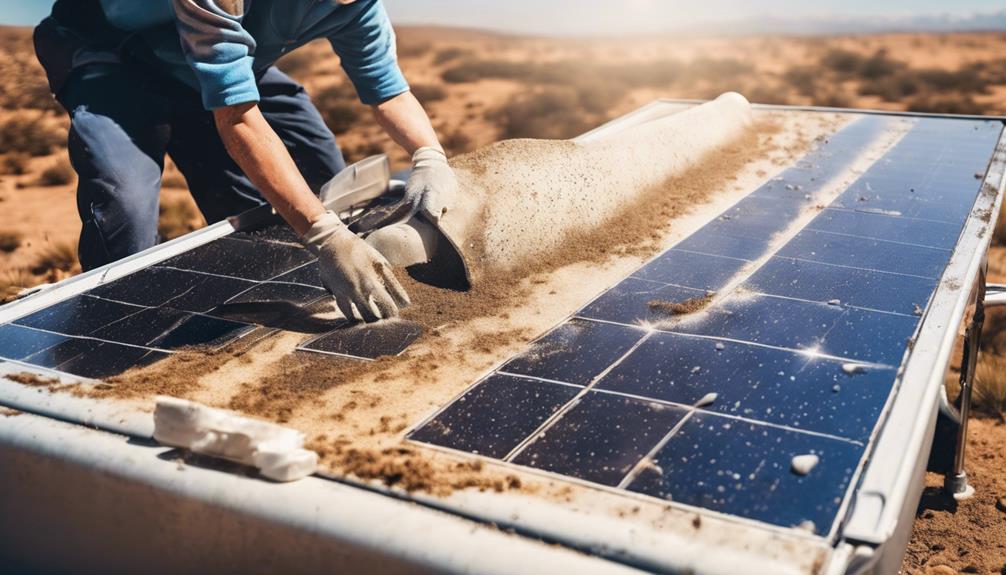
- Keep panels cool and clean; heat lowers efficiency.
- Manage cable strain and protect connectors; use a short, fused DC run where practical.
- Store folded panels dry and avoid crushing the hinge or cells.
What to avoid / red flags
- Vague “MPPT” claims with no technical specs or test data.
- No spec sheet listing Vmp/Voc/Imp/Isc or max PD wattage for USB‑C.
- Cheap panels promising full rated output all day — unrealistic.
- No outdoor rating, poor customer support, or no clear warranty.
Quick buying recommendations
- Best for phones & lights: 20–50 W foldable with USB‑C PD (18–30 W) — lightweight and simple.
- Best weekend power‑station recharge: 100 W foldable with DC/MC4 outputs and MPPT support.
- Best high‑efficiency option: panels using N‑type or TOPCon cells for better low‑light performance (costs more).
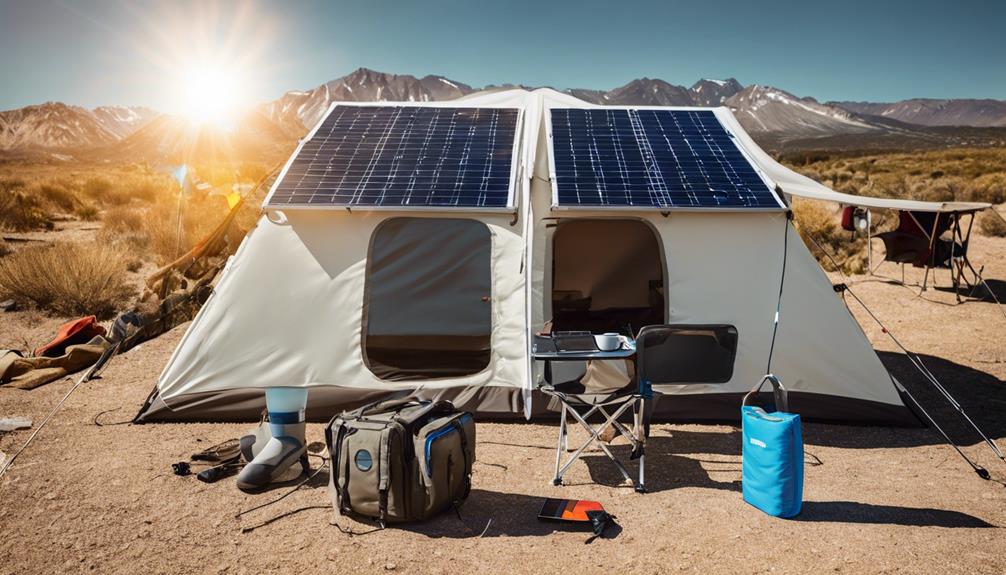
- Best rugged campsite kit: solar suitcase with integrated MC4/XT60, strong fabric, and clear IP rating.
FAQ
- Q: Will a 100 W panel give 100 W all day?
- A: No. 100 W is peak output under STC. Daily Wh depends on PSH and system efficiency — typically 300–500 Wh/day in good sun for a 100 W foldable.
- Q: Can I use the panel’s USB‑C to fast‑charge a laptop?
- A: Maybe, but many built‑in USB‑C PD ports are limited to 18–65 W. For reliable laptop fast‑charge, route panel → MPPT → power station → USB‑C PD output.
- Q: Are foldable panels waterproof?
- A: Check the IP rating. Junction boxes are often weather‑resistant, but most foldables aren’t designed for submersion. Follow the manual.
- Q: Can I combine panels to increase output?
- A: Yes — series or parallel wiring is common, but ensure voltage/current compatibility and use proper connectors/fuses and an MPPT controller or compatible power station.
- Q: What safety steps should I follow?
- A: Use appropriate fuses, never connect panels directly to batteries without a controller, and follow wiring diagrams in product manuals.
Editor note: Re‑verify USB‑C PD wattages, new cell tech claims, and major product launches every 12 months. Always consult product manuals for wiring and safety diagrams before connecting equipment.
Safety callouts: 1) Always use correct fuses and controllers; do not connect solar panels directly to batteries without an appropriate charge controller. 2) Follow battery and panel manufacturer instructions for charging voltages and limits.