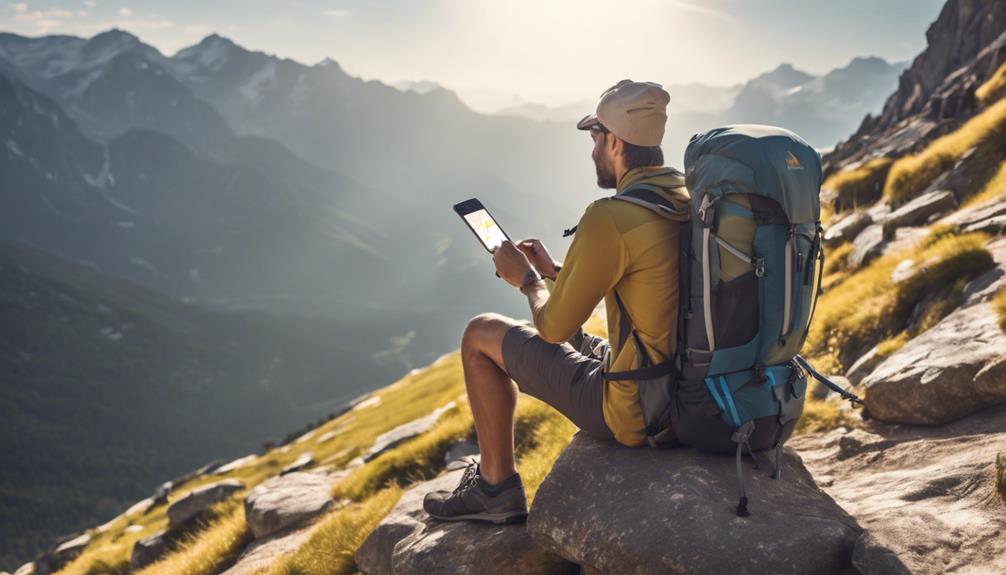
Quick answer: Are solar panels worth carrying backpacking?
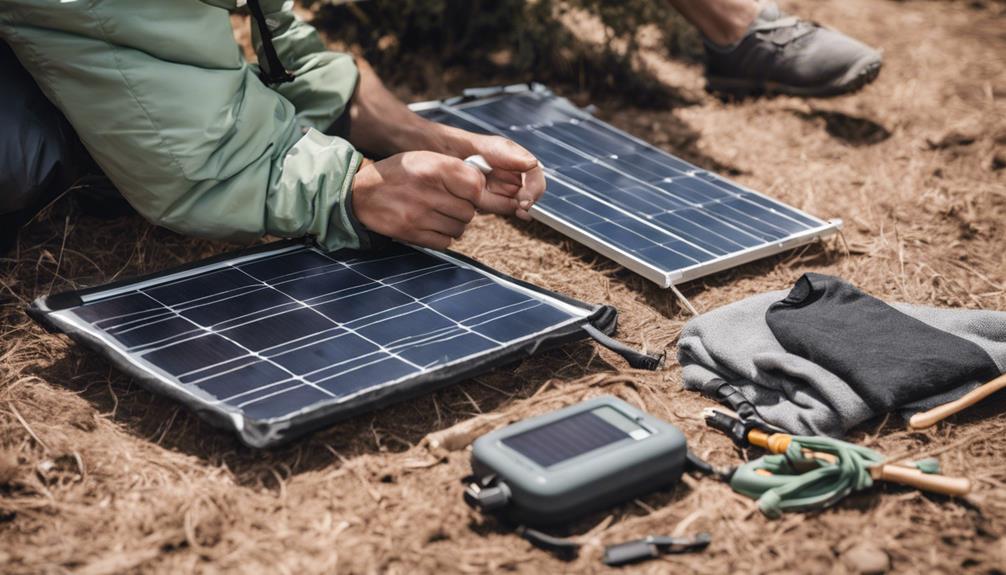
Portable solar can be a useful supplement on backpacking trips, but it isn’t a one-size-fits-all solution. A small panel plus a power bank is most helpful on longer, multi-day outings, in open terrain, or for users who repeatedly recharge devices (navigation, cameras, satellite messengers). For short weekend trips or travel through dense forest and canyons, a fully charged power bank at home is often simpler and lighter.
Solar panel vs power bank — a simple decision rule
Think of the choice this way: a portable solar panel generates electricity from sunlight but usually doesn’t store it. A power bank is a rechargeable battery you use to power devices. A solar panel with an integrated battery combines generation and storage in one product but tends to have limited capacity. A portable power station is a larger, heavier battery system with AC and multiple outputs for heavier gear.
Decision rule: for a weekend trip, bring a power bank. For extended trips where you expect repeated charging and reliable sun, add a panel (or a panel-plus-power-bank system).
How the charging system works (and why storage-first is usually best)
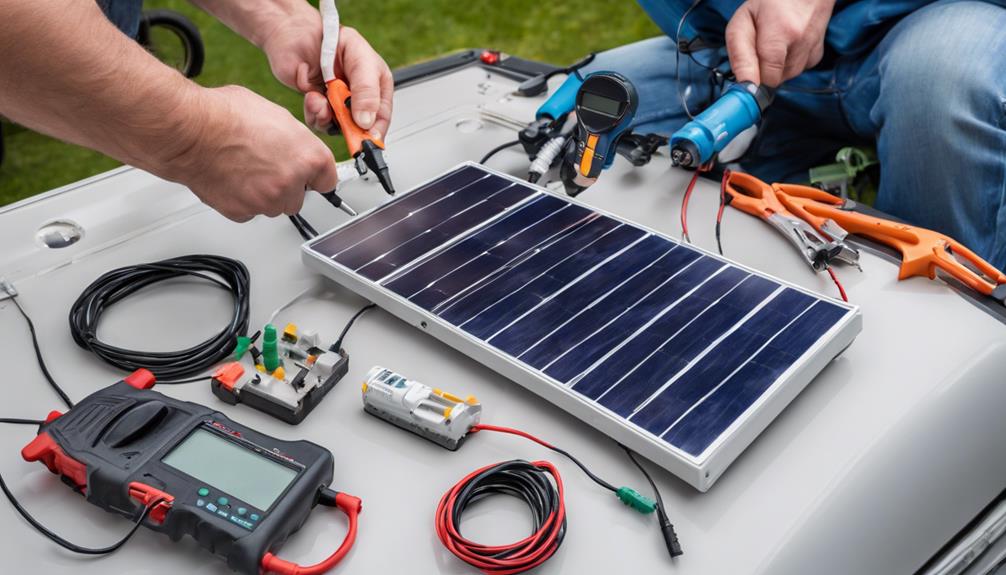
Power flows in this order: sunlight → portable solar panel → power bank or portable power station → your phone, GPS, camera, or satellite communicator. Charging a battery first is usually better than connecting sensitive electronics directly to a panel because panels can produce variable voltage and current when clouds, shade, or angle change. Only connect a device directly to a panel if the product documentation says the panel has regulated output suitable for that device.
Definitions (plain language): watt (W) is a rate of power; a panel’s rated wattage is its maximum under ideal lab conditions. watt-hour (Wh) measures stored energy (useful when comparing batteries). milliamp-hour (mAh) is another battery capacity unit often used for phones—Wh is clearer across voltages. USB-C is a connector shape and standard; USB Power Delivery (USB PD) is a negotiated protocol that lets compatible devices request higher charging power. Not all USB-C ports support USB PD.
What to look for when choosing a panel and storage
- Weight and packed size: think of panel + cables + power bank as one system you’ll carry.
- Rated wattage: a guide to potential output but expect much less in the field.
- Output and regulation: prefer panels that charge a battery or include regulated outputs; check for USB PD if you need fast phone charging.
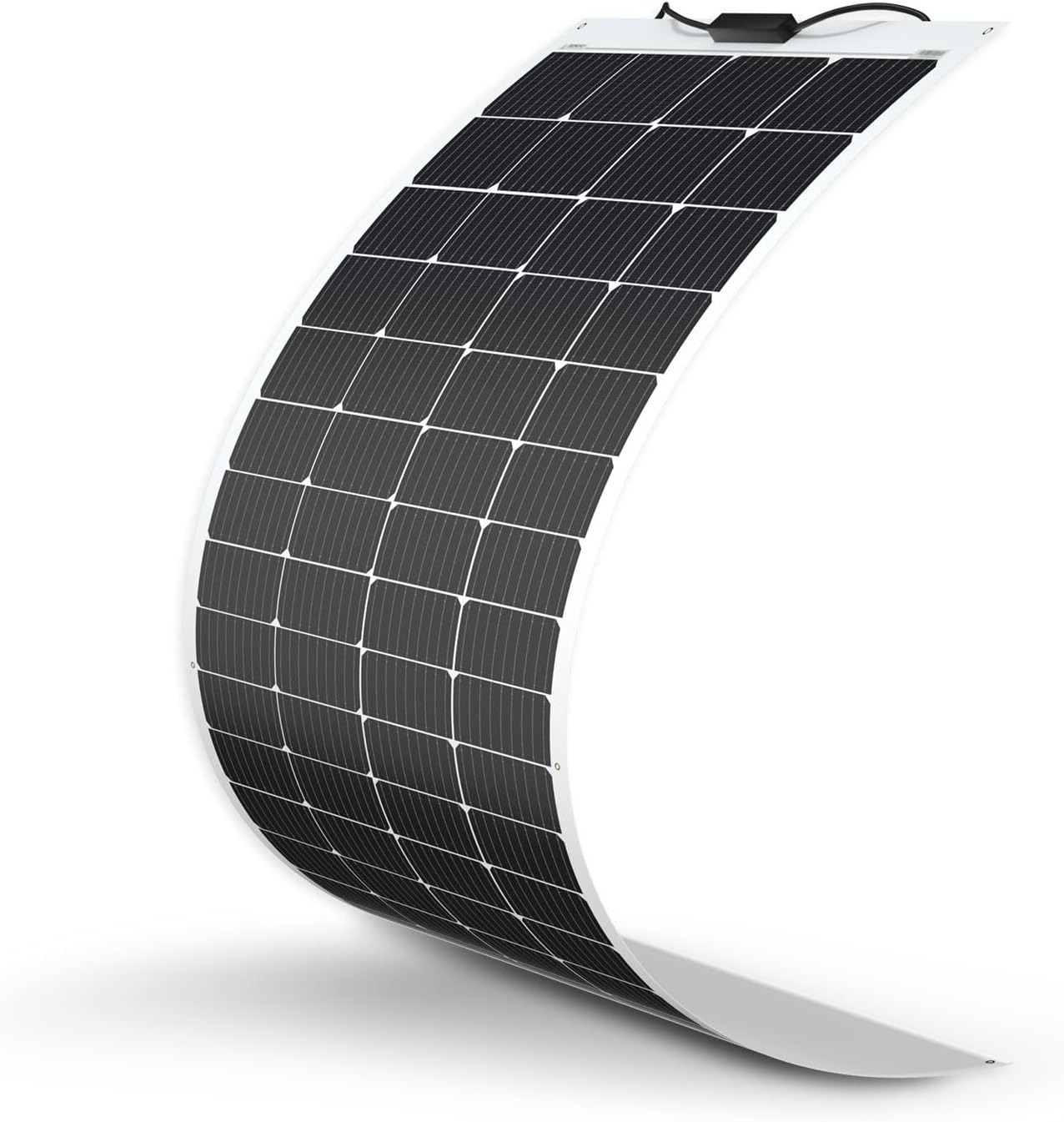
- Form factor: foldable, semi-flexible, or rigid—each has trade-offs in weight, durability, and packability.
- Attachment points and weather resistance: look for durable seams, reinforced eyelets, and clear specs for ingress protection (water resistance is not the same as waterproof).
- Compatibility: match connector types and negotiated charging standards between panel and power bank.
How much power do you need?
Estimate device needs by checking battery capacity and converting to watt-hours if necessary. You can convert mAh to Wh by multiplying mAh by device voltage (V) and dividing by 1,000: Wh = (mAh × V) / 1000. Add a buffer—charging always loses energy to conversion and heat—so plan for extra capacity for cloudy days or higher use. Consider the number of devices, frequency of use, and whether you’ll be stationary at camp to collect sun.
Using a panel in the field: practical tips
- Start your trip with all devices and the power bank fully charged.
- Set the panel where it gets unobstructed sun—lay it flat, prop it up, or angle it when you stay at camp.
- Reposition the panel as the sun moves; don’t expect a single fixed placement to be optimal all day.
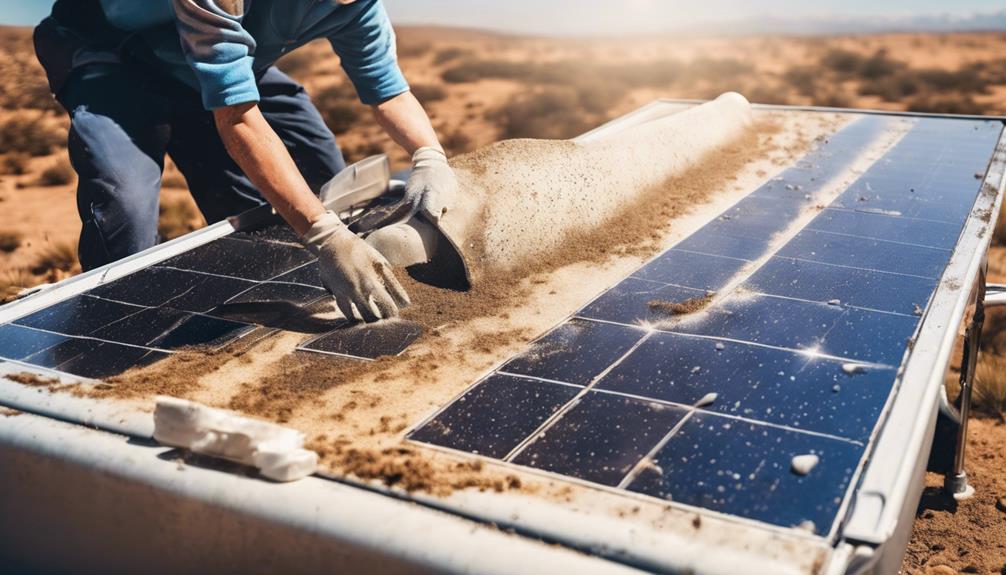
- Keep the panel and connectors clean and dry; dirt and salt spray reduce output.
- Protect cables and ports from abrasion and water; secure loose panels and cables in wind.
Weather, shade, season, and terrain
Real-world output is lower than rated wattage. Clouds, canopy, shadows, low winter sun angles, and mounting angle all reduce generation. Panels clipped to a moving pack are convenient but usually produce less energy than a panel laid out at a stationary camp where you can control orientation and avoid shade.
Battery and charging safety
- Avoid charging batteries in direct sun or in hot enclosed spaces; heat increases risk of damage and thermal runaway.
- Charge on a hard, ventilated surface; don’t drape charging devices on sleeping bags or tents.
- Inspect power banks and batteries for swelling, cracks, or leaks; stop using damaged units immediately.
- Choose reputable products and look for safety testing or standards where available (for example, UL standards applicable to portable power packs).
Environmental considerations
Solar panels produce no operational emissions while generating power, but manufacturing, transport, and end-of-life handling have environmental impacts. For the smallest footprint, prioritize durable gear, repair when possible, and recycle batteries and panels responsibly at end-of-life.
Bottom line
For many weekend backpackers, a well-chosen power bank is the simplest, lightest option. Add a portable panel (and a larger power bank) when trip length, repeated charging needs, and reliable sun make top-up generation worthwhile. Always plan around minimal expected sunlight, keep storage-first charging as your default, and follow basic battery safety to stay powered and safe in the backcountry.