Designing and building an efficient house is one of the best investments you can make for comfort, long-term savings, and environmental impact. An efficient house starts with thoughtful design decisions—orientation, compact floor plans, and airtight construction—and continues through the choice of materials, mechanical systems, and renewable energy. Whether you are exploring energy efficient home designs as part of new construction or retrofitting an existing property, practical planning and proven strategies can deliver a high-performance home that feels better and costs less to operate.
Core principles of efficient house design
At the heart of any energy efficient house is the integration of passive design principles with efficient mechanical systems. Passive design—proper site orientation, solar gain control, natural ventilation, and thermal mass—reduces heating and cooling loads before you select equipment. Airtight construction and continuous insulation minimize heat loss, while high-performance windows and shading strategies refine comfort. Together these elements form the backbone of energy efficient house design, enabling smaller HVAC systems and lower ongoing energy bills.
Architectural ways a house can be energy efficient include optimizing the building envelope to reduce thermal bridging, arranging rooms so living spaces benefit from natural light, and using compact, efficient floor plans that eliminate wasted circulation space. Implementing an integrated design approach during planning helps reconcile aesthetics, functionality, and energy performance.
Choosing the right plans: efficient house plans and floor plans
When reviewing house plans, focus on layouts that prioritize efficiency. Energy efficient homes floor plans typically minimize long, narrow corridors, place service rooms in buffer zones, and align windows to capture daylight without excessive heat gain. Efficient floor plans reduce conditioned volume per square foot of usable living area, making it easier to achieve energy targets with modest mechanical systems. House plans for energy efficient homes often feature simple rooflines and compact footprints that limit exposed surface area and simplify insulation strategies.
If you are customizing architectural drawings or selecting energy efficient home blueprints, ask how the plan addresses passive solar orientation, window-to-wall ratios, and zoned living. Efficient house design plans can be adapted to different climates; a plan optimized for a temperate region will look different from one intended for hot, humid conditions. Look for designs labeled as energy efficient house plans or efficient home design plans when evaluating options.
Building materials and construction methods for high performance
The choice of building materials for energy efficient houses significantly influences long-term performance. Materials with high thermal resistance, such as continuous rigid insulation or insulated concrete forms, reduce heat transfer. Advanced framing techniques reduce thermal bridges and allow for more insulation in wall cavities without increasing wall thickness. Energy efficient house materials also include high-performance windows, airtight membranes, and vapor control layers tailored to your climate.
Energy efficient house construction demands attention to sealing, detailing, and quality workmanship. A tight envelope combined with controlled ventilation provides superior indoor air quality and lower energy use. Consider mechanical ventilation with heat recovery, and specify HVAC equipment sized for the reduced loads of an energy efficient home. In many cases, these choices allow for efficient house plans to incorporate smaller, less expensive systems while improving comfort.
Practical steps for building or retrofitting an energy efficient home
Building an energy efficient home begins with realistic goals and a clear plan. Start with a performance target—such as a specific HERS score or net-zero potential—and choose energy efficient home plans that support those goals. During construction, prioritize air sealing, continuous insulation, and high-quality windows. In retrofit scenarios, focus on the envelope first: upgrade insulation, seal air leaks, and replace inefficient windows before changing heating or cooling systems.
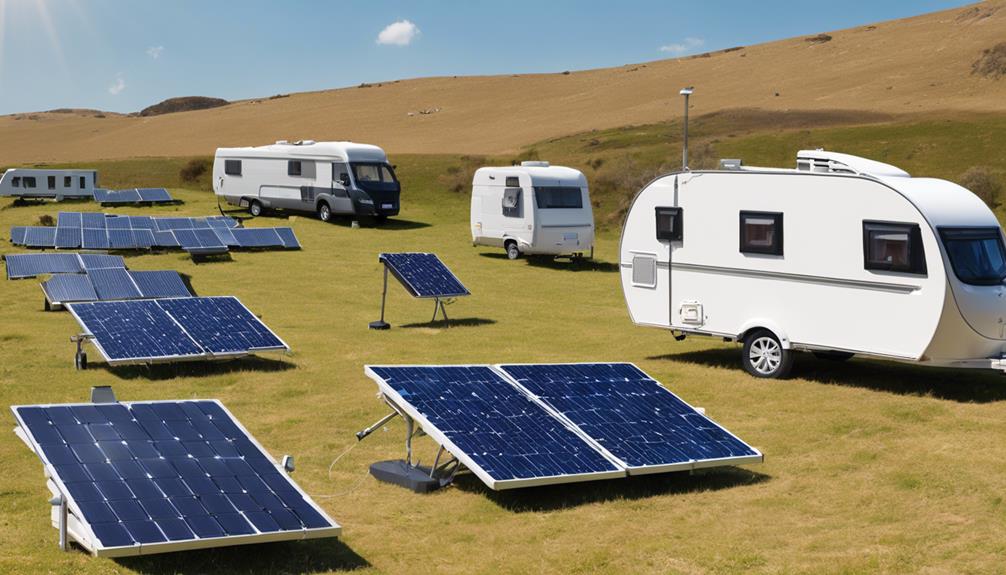
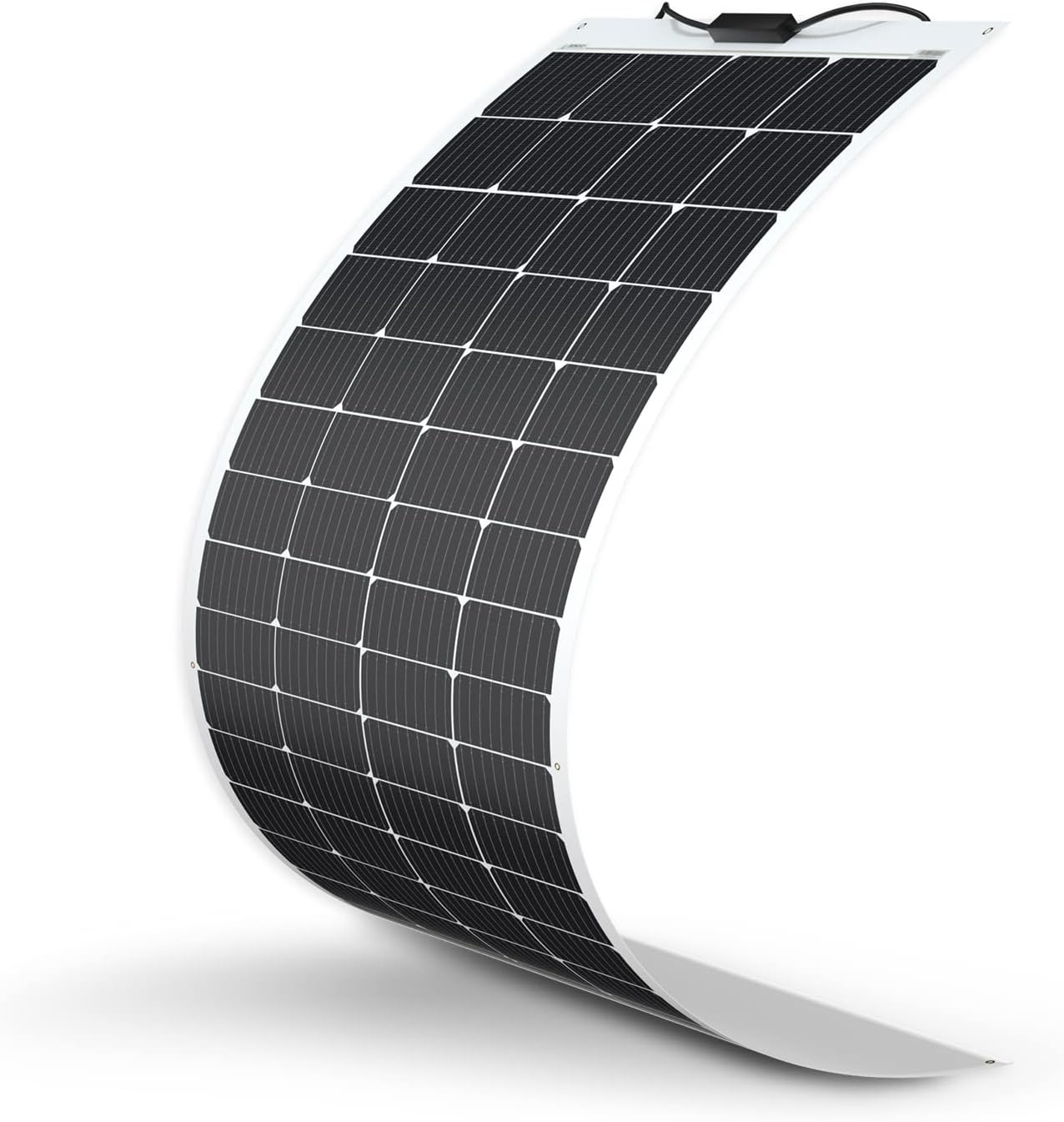
How to build an energy efficient house also means thinking about on-site renewable energy and smart controls. Solar photovoltaic systems paired with energy-efficient lighting and appliances can dramatically reduce purchased energy. Smart thermostats, zoned heating, and energy monitoring help occupants use energy more wisely. Even modest measures like daylighting strategies and efficient floor plans can lower energy demand and improve livability.
Costs, incentives, and long-term benefits
While initial costs for energy efficient house construction can be higher depending on materials and systems, the long-term financial and comfort benefits are typically substantial. Lower utility bills, reduced maintenance, and improved indoor environmental quality often justify the investment. Many jurisdictions and utilities offer incentives, rebates, or tax credits for energy efficient home plans, energy efficient house materials, and renewable installations, which can improve project economics.
When evaluating designs, compare lifecycle costs rather than up-front prices. Energy efficient house plans designs that prioritize durability and ease of maintenance will save money over decades. Additionally, efficient home designs often increase resale value because buyers increasingly prioritize low operating costs and sustainability.
Conclusion: Creating an efficient house is a holistic process that combines intelligent design, suitable materials, precise construction, and smart systems. Whether you are selecting energy efficient home blueprints, tweaking energy efficient house floor plans, or learning how to build an energy efficient house from the ground up, the key is integration—aligning form, function, and performance. With careful planning and attention to the architectural ways a house can be energy efficient, homeowners can achieve greater comfort, lower costs, and a smaller environmental footprint for years to come.