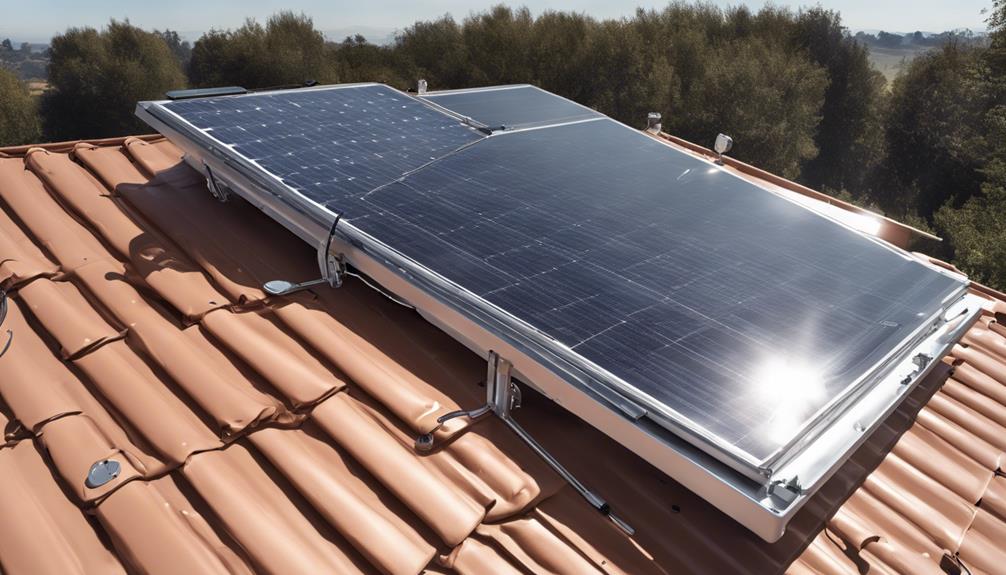
Choosing the right solar generator for fridge use is a practical step toward reliable food storage during power outages, off-grid living, or reducing your household reliance on the grid. A refrigerator is one of the most important appliances to keep running when electricity is limited, and not all portable power systems are up to the task. This article explains how to select and size a solar generator for fridge applications, highlights the features that matter, and shows how these units fit into a broader home solar battery storage strategy.
Why a dedicated solar generator for your fridge makes sense
Refrigerators are critical for food safety but can be surprisingly demanding at startup. A dedicated solar generator for fridge use provides a targeted solution that balances battery capacity, inverter capability, and solar charging so your refrigerator keeps operating when the grid does not. Integrating a solar generator with your broader home solar battery storage plan adds redundancy: you can power essential circuits while larger home batteries handle high-draw systems like HVAC or electric water heaters. For homeowners focused on resilience, a compact, reliable generator for the refrigerator is often the most cost-effective way to preserve perishables and reduce food waste during outages.
How to size a solar generator for refrigerator use
Sizing begins with understanding your refrigerator’s energy profile. Look at the unit’s energy label or use a watt-meter to measure running watts and starting or surge watts. Typical modern refrigerators often draw 100 to 300 watts while running, but the compressor can demand 500 to 1,500 watts at startup. To estimate daily energy, multiply the average running watts by the expected hours of compressor operation; many fridges cycle on and off, so a common daily consumption range is 1,000 to 3,000 watt-hours for a standard home refrigerator.
Once you have daily watt-hours, convert that to battery size. If you want one full day of autonomy and your fridge uses 2,000 watt-hours per day, aim for a battery with at least 2,500 to 3,000 watt-hours (Wh) to account for inverter losses and to avoid deep discharging. Remember to check the inverter’s continuous and peak ratings—your solar generator’s inverter must handle the fridge’s startup surge. For solar charging, estimate your average peak sun hours (commonly 3 to 6 hours per day depending on location) and size solar panels so they can replenish the daily consumption within available sun hours. For example, 2,000 Wh divided by 4 sun hours suggests around 500 watts of panels, allowing for charging inefficiencies and cloudy days.
Key features to look for in the best solar generator for refrigerator performance
Not every portable power station is suited for refrigeration. One of the most important features is a pure sine wave inverter, which ensures sensitive compressor electronics run cleanly and efficiently. Equally important is the inverter’s surge capacity—look for models with a high short-term peak rating to accommodate compressor starts. Battery chemistry matters: lithium iron phosphate, or LiFePO4, provides longer cycle life and better thermal stability compared with older lithium-ion types, making it a strong choice for ongoing backup use.
Charge management is another critical element. Built-in MPPT charge controllers increase solar charging efficiency and help maintain battery health. Expandability and multiple output options—such as AC outlets, DC ports, and a 12V output—make the solar generator more versatile for other emergency needs. Finally, monitoring and control features that report battery state of charge, input and output power, and cycle count help you manage performance and plan maintenance.
Practical use cases and installation tips
Solar generators for refrigerators work well across a variety of situations. For homeowners, they offer a convenient backup for kitchen essentials during short to medium outages. In rural or cabin settings, a properly sized unit can run a small refrigerator continuously when paired with sufficient panels. For RV and overlanding use, a portable system provides fridge power without relying on shore power or engine idling.
Installation and placement are straightforward but important. Keep the generator in a ventilated, weather-protected spot and run a short, high-quality AC extension or transfer switch to the refrigerator circuit if you want a seamless transition. If you intend the system to handle only the fridge, consider a manual or automatic transfer switch to isolate and protect the circuit. Finally, maintain clear access to panels and the generator, inspect connections periodically, and avoid running the inverter in confined spaces where heat buildup could shorten component life.
Cost, lifecycle, and integrating with home solar battery storage
Costs vary widely based on capacity and features. Small portable units with under 1,500 Wh of battery capacity can be relatively affordable, while larger, LiFePO4-based systems with multi-kilowatt-hour capacity command a higher investment. Evaluate total cost over the expected cycle life; batteries with longer rated cycles typically yield better value if you expect frequent outages. Warranties, manufacturer support, and replaceability of battery modules are important when weighing long-term reliability.
For homeowners who already have or plan to install home solar battery storage, a solar generator for fridge applications can complement a whole-house battery system. Use the portable generator as a targeted backup for critical circuits or as a flexible transfer option when doing maintenance on main battery systems. This layered approach increases resilience and can reduce stress on your primary storage during extended outages.
In short, identifying the best solar generator for refrigerator use requires balancing battery capacity, inverter surge capability, charging speed, and battery chemistry. When these elements align, a solar generator becomes a valuable component of a home solar battery storage plan, keeping your food safe and your household resilient to power interruptions.
Concluding, investing in a properly sized and specified solar generator for fridge use delivers practical advantages for food safety, convenience, and energy independence. By accurately assessing your refrigerator’s power needs, choosing a model with the right inverter and battery chemistry, and integrating the unit into an overall home solar battery storage strategy, you can ensure reliable refrigeration when you need it most.