As homeowners and builders seek to reduce costs and environmental impact, sustainable homes have moved from niche projects to mainstream priorities. This article explores practical ways to design, build, and retrofit houses that use less energy, create healthier indoor environments, and perform better over their lifetime. The focus is on actionable strategies within the energy efficiency and home improvement cluster, with examples that apply both to new construction and to existing properties.
Why sustainable homes matter for energy efficiency and comfort
Sustainable homes deliver more than lower utility bills; they contribute to long-term resilience, occupant health, and reduced greenhouse gas emissions. Energy-efficient design minimizes wasted energy through better insulation, airtightness, and optimized heating and cooling systems. That reduces monthly costs, but it also stabilizes indoor temperatures and improves comfort. For families and communities, investing in energy efficiency is a practical way to reduce exposure to pollution and volatile energy prices while increasing property value.
Design principles for sustainable modern houses
Sustainable modern houses blend contemporary aesthetics with passive design strategies. Key principles include building orientation to maximize winter sun and minimize summer heat, effective shading, and window placement to optimize daylighting while reducing glare. Thermal mass—such as concrete or stone floors—can store daytime heat and release it at night, reducing temperature swings. A continuous insulation layer and careful detailing at junctions prevent thermal bridging, while an air barrier reduces drafts. These strategies work together to reduce the size and cost of mechanical systems needed to maintain comfort.
Energy-efficient technologies to integrate
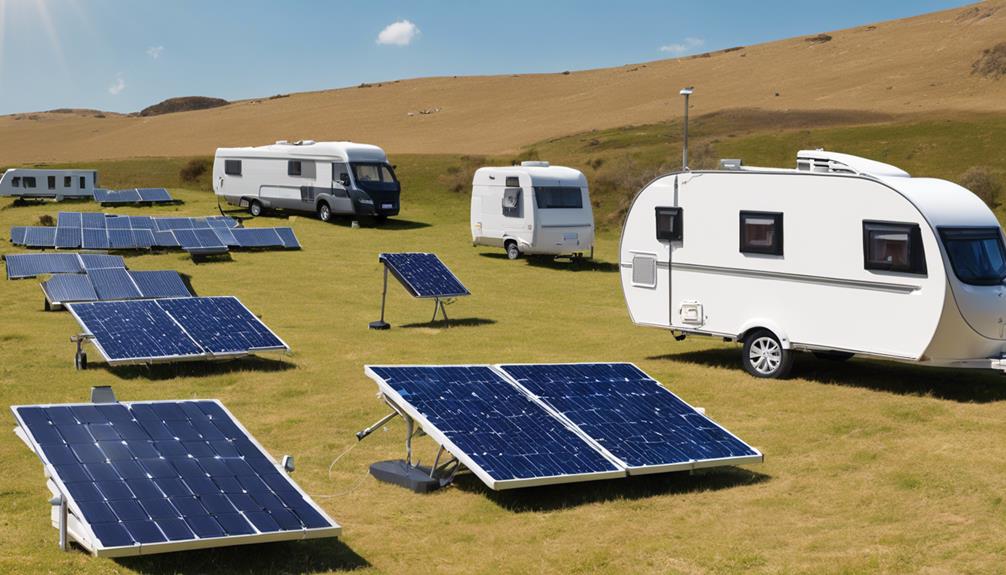
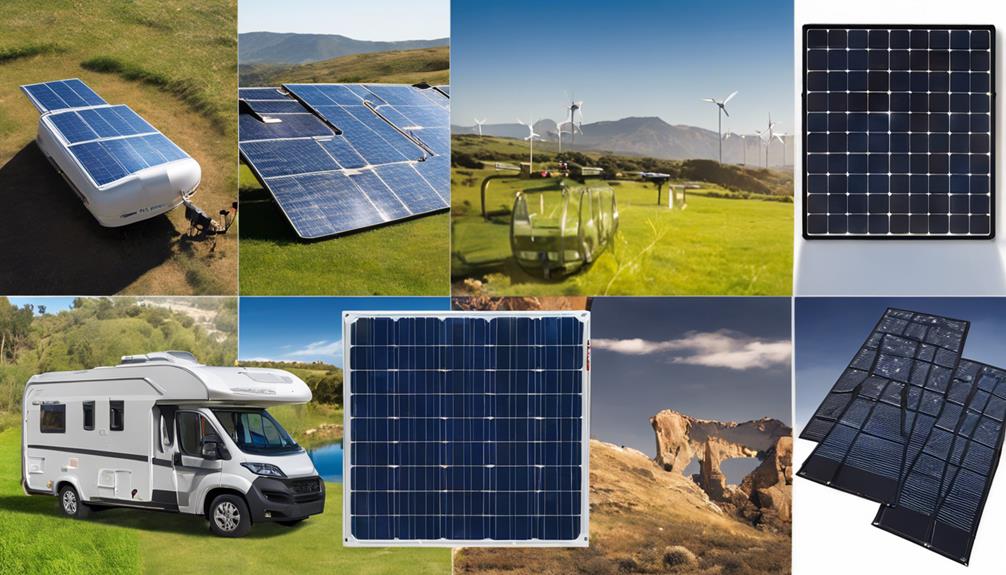
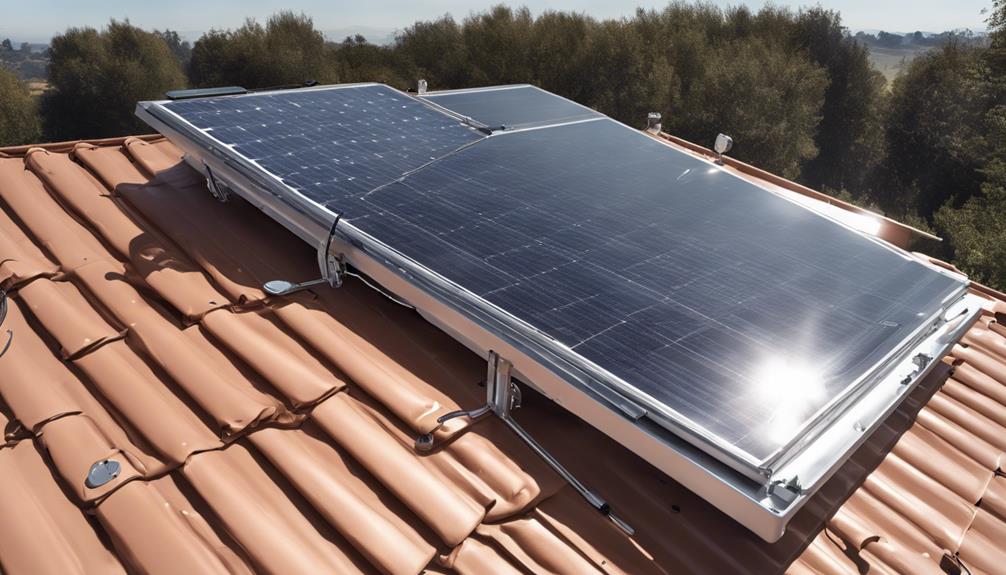
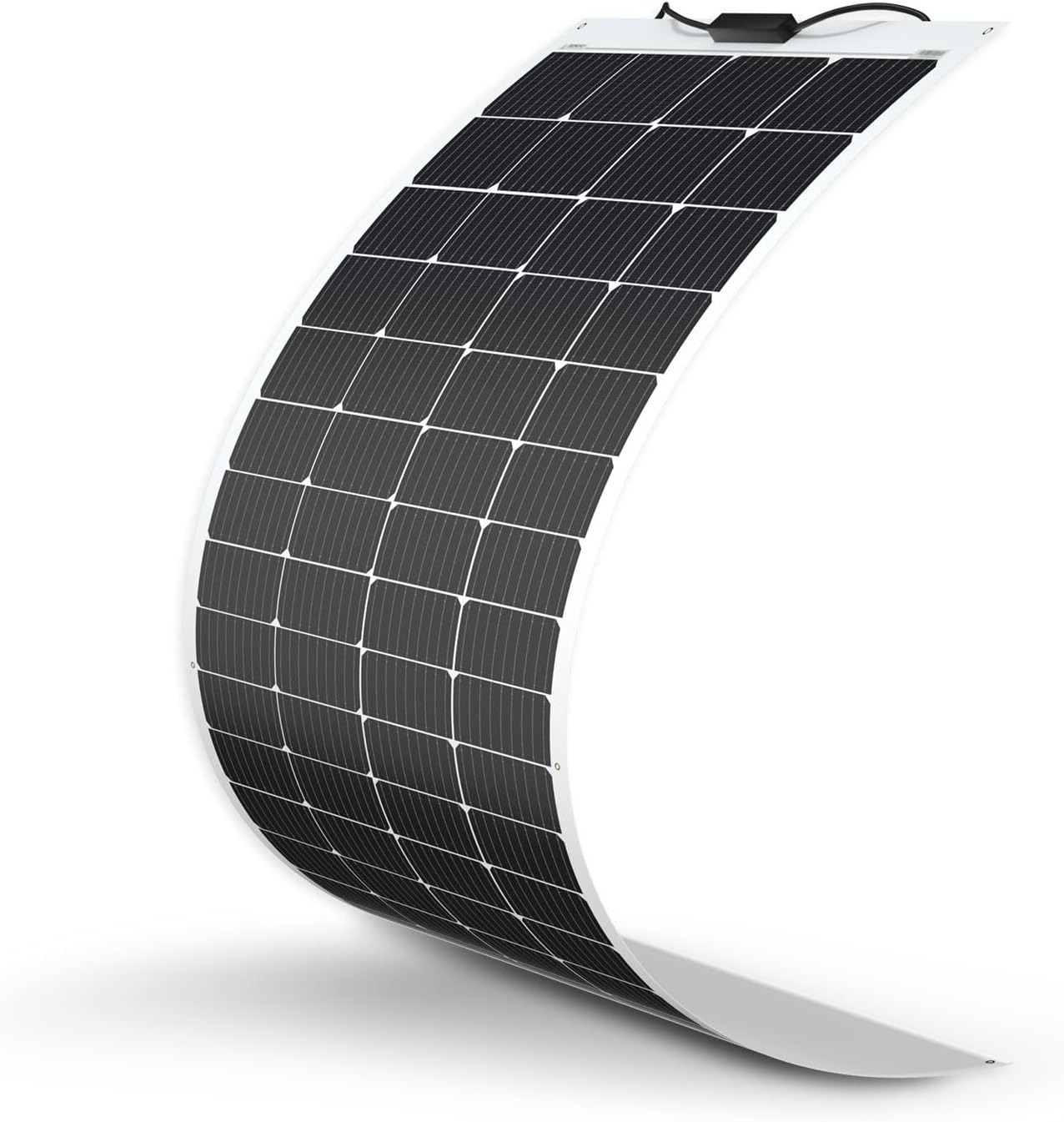
High-performance technologies make sustainable homes practical and measurable. Heat pumps now provide efficient heating and cooling, often outperforming conventional systems on both comfort and efficiency. Solar photovoltaic panels offset grid electricity and paired battery storage adds resilience during outages. Energy recovery ventilators maintain indoor air quality while reclaiming heat from exhaust air, and LED lighting dramatically reduces electrical consumption. Smart thermostats and home energy management systems help occupants track usage, schedule appliances during low-rate periods, and reduce phantom loads. When these systems are selected and sized correctly, homeowners can approach net-zero energy operation.
Materials and construction practices for lower impact
Choosing the right materials and construction methods reduces a home’s embodied carbon and enhances durability. Low-emission insulation and finishes improve indoor air quality, while recycled-content materials reduce demand for virgin resources. Engineered wood, responsibly sourced timber, and high-performance prefabricated panels can speed construction and cut waste. Green roofs and permeable landscaping manage stormwater and improve urban biodiversity. For many projects, simple measures—like specifying durable cladding, water-efficient fixtures, and long-life windows—provide outsized benefits in lifecycle costs and maintenance.
Retrofit strategies and practical use cases
Not every homeowner will build from scratch, so retrofit pathways are essential to advancing energy efficiency. A home energy audit establishes where heat is lost and what upgrades deliver the best returns. Common high-impact retrofits include improving attic and wall insulation, sealing air leaks around windows and doors, upgrading to high-efficiency windows or adding storm glazing, and replacing aging furnaces with heat pumps. Practical staged approaches allow occupants to target the most cost-effective measures first, then pursue deeper renovations—such as exterior insulation and new HVAC systems—over time. Real-world use cases include modest mid-century homes that reduced heating bills by half after insulation and air sealing, and updated family houses that achieved near net-zero performance through combined solar, heat pump, and envelope upgrades.
Financing, incentives, and measuring success
Financial tools and incentives make sustainable upgrades more achievable. Government rebates, tax credits for solar and heat pumps, and utility-sponsored programs can cover a significant portion of upfront costs. Home energy performance loans and on-bill financing let homeowners spread payments while reaping immediate energy savings. Measuring success requires before-and-after energy assessments and monitoring; smart meters and submetering offer clear data to validate savings and guide future improvements. For builders and renovators, demonstrating measured performance supports marketing and can increase resale value in a market increasingly attuned to energy efficiency.
Designing and improving sustainable homes is both a practical investment and an ethical choice. Whether you are planning a new sustainable modern house or upgrading an older property, prioritizing the building envelope, efficient systems, and durable materials delivers lasting benefits: lower energy bills, healthier indoor environments, and a smaller climate footprint. By combining smart design, proven technologies, and staged retrofit strategies, homeowners and builders can make meaningful progress within the energy efficiency and home improvement cluster, creating houses that serve occupants and the planet well into the future.