Quick summary
- Solar photovoltaic (PV) panels convert sunlight into electricity; an inverter makes that electricity usable in your home (energy.gov, NREL).
- Typical U.S. residential systems are often in the 6–12 kW range (about 15–30 modern panels). Installed costs (national averages, June 27, 2026) are roughly $2.50–$3.20 per watt before incentives.
- The federal Residential Clean Energy Credit currently offers a 30% tax credit for qualifying systems and eligible batteries; check IRS guidance and your tax advisor for details.
Data current as of June 27, 2026. For the latest local prices, incentives, and interconnection rules, consult NREL PVWatts, DSIRE, your utility, and the IRS.
How solar PV works — a simple explanation
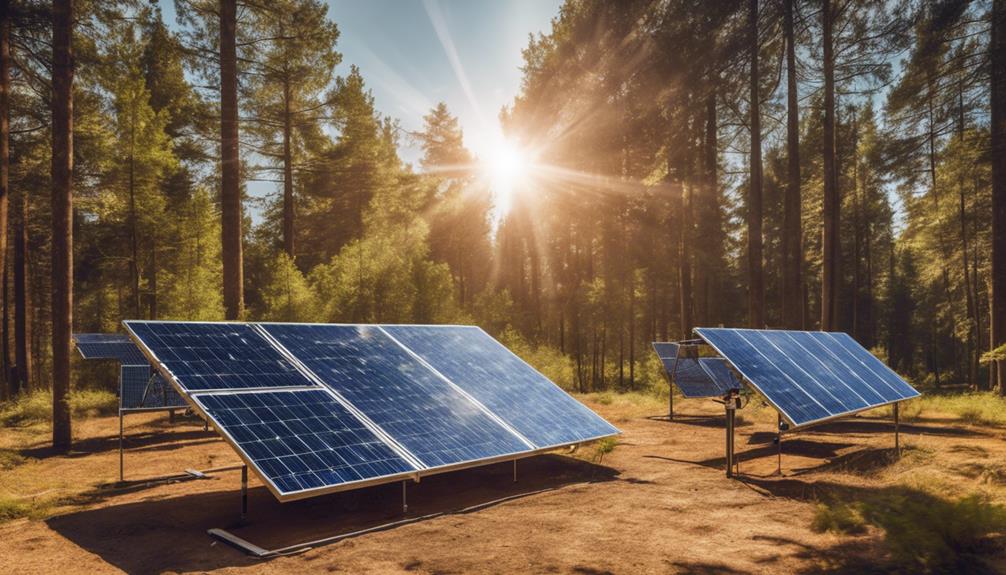
Solar photovoltaic panels are made of solar cells (usually silicon). When sunlight hits a cell, it frees electrons and creates direct current (DC) electricity. An inverter converts DC to alternating current (AC) that your appliances use. Panels are mounted on a roof or ground rack and connected together into an array; the array ties into your home electrical system and, if grid‑tied, the utility meter and distribution grid (DOE/NREL).
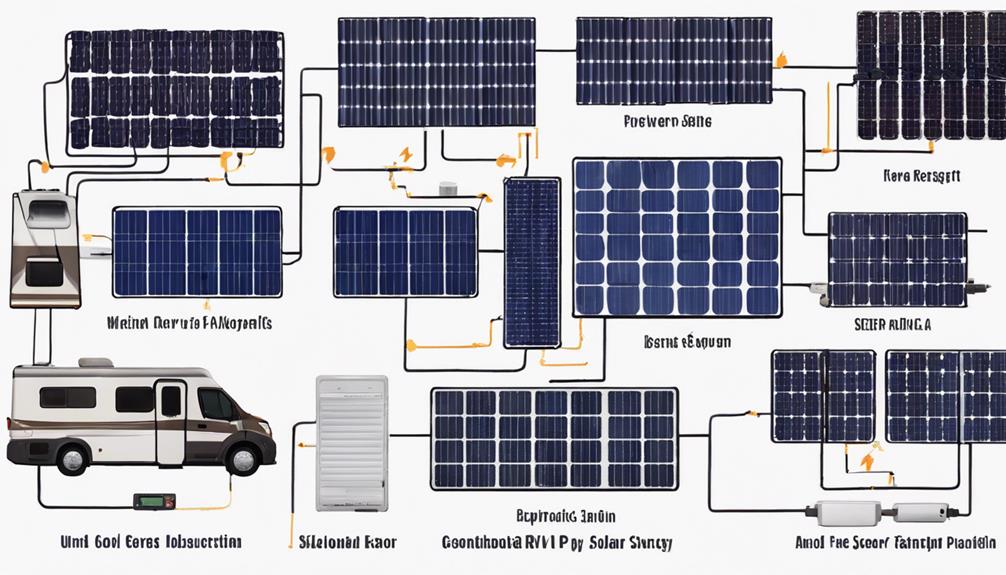
Schematic (text): solar panel → inverter → home breaker panel → grid/meter. Panels produce based on sunlight, not heat—cool, sunny days can be better than hot, cloudy ones.
Key components (short definitions)
- Panel/module: group of solar cells packaged together.
- Solar cell: the individual unit that converts light to electricity.
- Inverter: converts DC → AC. Options include string inverters, microinverters (mounted per panel), and hybrid inverters that work with batteries.
- Racking: hardware that mounts panels to the roof or ground.
- Battery (home battery / BESS): stores energy for later use; useful for backup or time‑shifting usage in areas without favorable net‑metering.
- Charge controller: used in off‑grid systems to protect batteries.
Expect to replace or service the inverter at least once during a typical system lifetime; panels generally last decades with slow degradation (~0.3–0.6%/year) and warranties that commonly guarantee ~80% output at 25 years (DOE/NREL).
What size system does my home need?
Size depends on your annual energy use (kWh), local sunlight, roof orientation, and budget. Power (kW) is instant capacity; energy (kWh) is what you use over time. Many U.S. homes that want to offset most electricity use choose 6–12 kW systems (roughly 15–30 panels at 350–450 W each). For example, an average U.S. home using ~10,500 kWh/year might need a system in that range depending on location and panel performance. Use NREL PVWatts or ask installers for address‑specific production modeling.
Costs, incentives, and payback (practical)
Typical installed cost ranges in the U.S. (national averages, June 27, 2026): about $2.50–$3.20 per watt before incentives. Example ranges:
- 6 kW: ~$15,000–$19,200 before incentives
- 10 kW: ~$25,000–$32,000 before incentives
- 12 kW: median quotes around ~$30,000 (market medians vary by state)
The federal Residential Clean Energy Credit generally provides a 30% tax credit on eligible costs for qualifying residential solar installations and certain battery systems. Battery eligibility has specific capacity rules—confirm with the IRS and a tax professional (IRS guidance).
Payback (simple payback or net present value) depends on your electric rates, net‑metering or net‑billing rules, local incentives, and financing. Many homeowners see paybacks in the single‑digit to low‑teens years, but results vary widely by location and utility.
Net metering, interconnection, and the role of utilities
How your utility credits exported solar electricity matters. Net metering often gives full retail credit for exported electricity; some utilities use net billing or time‑varying credits that reduce export value. Interconnection rules and fees vary by state and utility—see DSIRE and contact your local utility to understand how export credits and approval processes will affect savings.
Solar thermal vs. PV — what’s the difference?
Solar thermal systems collect heat (for domestic hot water or pool heating) rather than produce electricity. They can be cost‑effective for heating tasks but are a different technology and are not interchangeable with PV panels.
Small sun‑powered gadgets — what they do well
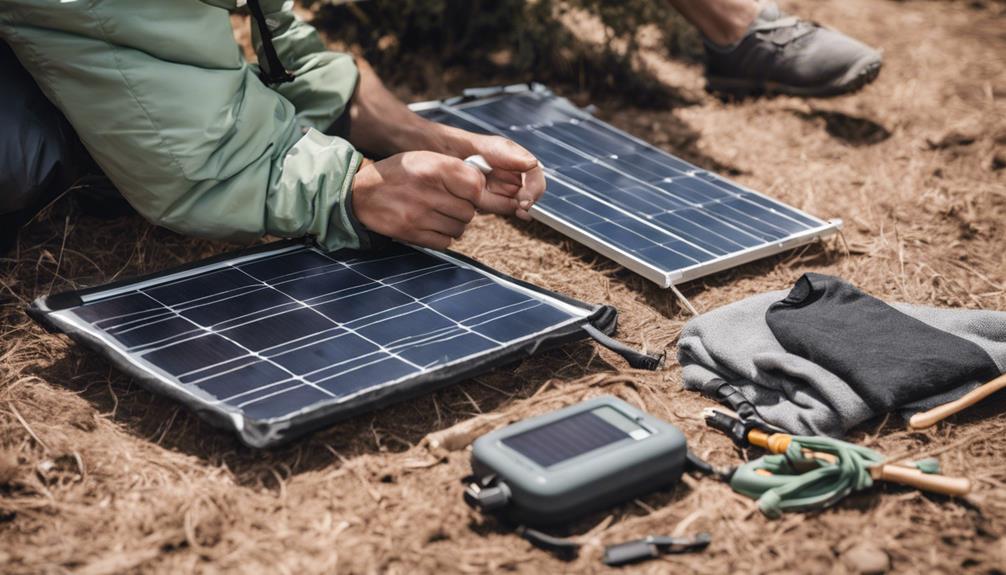
Portable solar items—phone chargers, yard lights, small foldable panels for camping—are inexpensive and useful for low‑power, off‑grid tasks. They are not substitutes for a roof‑mounted PV system if your goal is to power whole‑house loads or eliminate significant utility bills.
Lifetime, maintenance, and end‑of‑life
Panels commonly carry 25‑year performance warranties and often operate beyond that with reduced output; expect gradual degradation (~0.3–0.6%/year). Routine maintenance is minimal—keep panels clear of debris, check mounts and wiring, and replace inverters when needed. Plan ahead for decommissioning or recycling options at end‑of‑life.
Homeowner checklist — next steps
- Start with efficiency: reduce consumption before sizing a system.
- Check roof condition and shading; replace a roof if it needs work soon.
- Use NREL PVWatts or ask installers for modeled production for your address.
- Get 2–3 local quotes that include modeled production, equipment lists, and warranties.
- Ask about net‑metering, interconnection rules, and export credit values from your utility.
- Confirm incentives and the Residential Clean Energy Credit with IRS guidance and a tax advisor.
Short FAQ
Will panels work in my state or on cloudy days? Yes—panels produce when there’s light, not heat. Output is lower on cloudy days but still meaningful; overall production depends on your location’s solar resource.
Can small solar chargers replace a home system? No—portable gadgets are great for small devices and travel but are not designed to replace a whole‑home PV system.
For modeled estimates, use NREL PVWatts; for local incentives and policies check DSIRE and your utility; for tax questions consult the IRS and a tax professional.