Quick summary
The credit commonly called the “residential energy tax credit” is officially the Residential Clean Energy Credit under Internal Revenue Code §25D. For qualified clean-energy property placed in service through December 31, 2025, the credit generally equaled 30% of qualified costs. Under Public Law 119-21 (enacted July 4, 2025), new §25D expenditures made after December 31, 2025 generally do not qualify. Taxpayers may still claim eligible 2025 credits on a 2025 return and may have unused credit carryforwards available under IRS rules.
What kinds of property qualified under §25D?
Qualified clean energy property was focused on on‑site generation and storage for a residence. Common categories included:
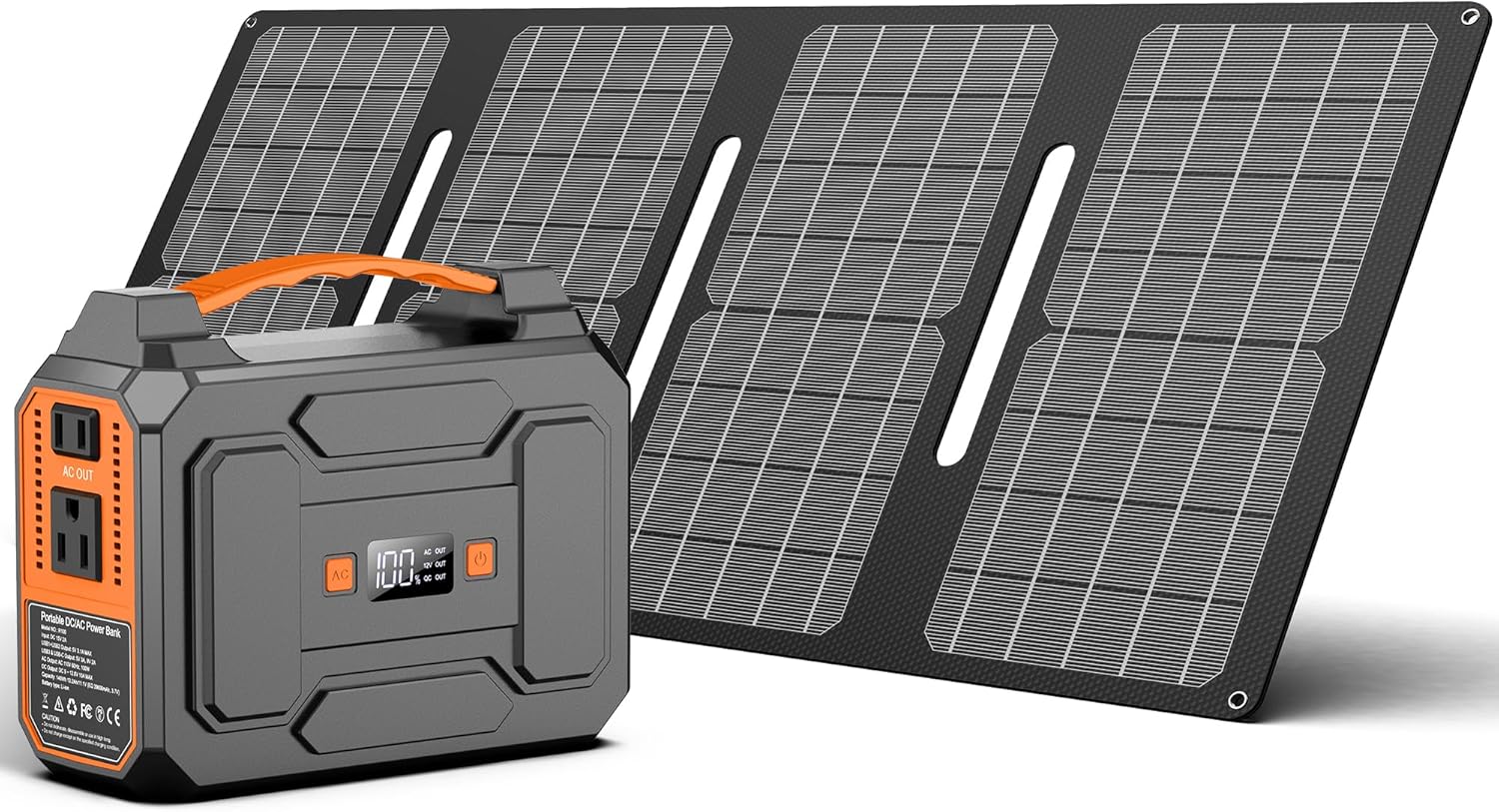
- Solar electric property (solar panels) and other qualified solar electric systems.
- Solar water-heating property (meeting applicable certification requirements).
- Small residential wind-energy property (qualifying residential wind turbines).
- Geothermal heat pump property (meeting applicable Energy Star/standards).
- Fuel-cell property (subject to a capacity‑based limit).
- Battery storage technology with a minimum capacity of 3 kilowatt‑hours (eligible beginning in 2023).
Qualified costs could include equipment plus onsite preparation, assembly, original installation labor, and certain wiring/piping needed to connect the system to the home. Used or previously owned clean-energy property did not qualify.
How much was the credit?
- General rate: 30% of qualified costs for eligible property placed in service through December 31, 2025.
- No general overall dollar cap applied to solar, wind, geothermal, or battery storage under the modern §25D rules.
- Fuel-cell property: a special limit applied (typically $500 per one‑half kilowatt of capacity).
- The credit was nonrefundable—it reduced federal income tax liability but could not by itself generate a refund beyond tax owed. Unused credit may generally be carried forward under the applicable IRS rules.
Who and which residences qualified?
- The residence generally had to be located in the United States and be used by the taxpayer as a home.
- Eligible dwelling types could include a house, condominium, cooperative apartment, mobile home, manufactured home, or houseboat, subject to IRS rules.
- Both new and existing homes could qualify, and in many cases a second home qualified depending on the technology (rules vary by property type; for example, fuel-cell rules differ).
- Property used entirely for business did not qualify; if a home was partly used for business, the credit is generally limited to the nonbusiness portion.
When can you claim the credit?
The credit is claimed for the tax year in which the property is installed or otherwise placed in service, not merely when you purchase, contract, or deposit funds. Installations completed after December 31, 2025 are generally treated as expenditures made after that date and do not qualify. If a qualifying system was placed in service in 2025, you may claim the credit on your 2025 federal return even if you file that return in 2026 or later.
How to claim the credit
- Confirm the property and residence meet §25D eligibility rules.
- Keep thorough documentation: invoices, receipts, installation records, equipment specifications, and any manufacturer certifications.
- Complete IRS Form 5695, Residential Energy Credits, for the tax year the property was placed in service, and include it with your federal income-tax return.
- If the credit exceeds your tax liability, review IRS rules for carrying forward unused credit to later years.
Because the credit is nonrefundable and carryforward rules can be complex, consult a qualified tax professional for situations involving joint ownership, business use, subsidies, or carryforward calculations.
Residential Clean Energy Credit (§25D) vs. Energy Efficient Home Improvement Credit (§25C)
These are separate federal credits and should not be confused. §25D (Residential Clean Energy Credit) covered renewable generation and storage—solar, wind, geothermal, batteries, and fuel cells. §25C (Energy Efficient Home Improvement Credit) covered efficiency upgrades such as insulation, certain windows, doors, and some heat‑pump technologies. Both credits had distinct rules and, like §25D, §25C also ended for property placed in service after December 31, 2025 under the same 2025 legislation.
State and local incentives
State, utility, and local incentives for clean-energy equipment are separate from the federal credit and often have different eligibility, timelines, and application procedures. Verify those programs directly with state or utility administrators.
Final notes and verification
Important: new §25D expenditures made after December 31, 2025 generally do not qualify. Tax rules and IRS guidance can change—verify current rules and forms with the IRS before relying on this summary. For complex or personalized tax questions, consult a qualified tax professional.