Introduction: Pick the light for the job, not just the look
Solar-powered outdoor lights are a convenient way to add ambience, mark paths, or highlight features without running electrical wiring. But performance varies widely. Start by deciding what you want the light to do and match the fixture type and specifications to that task.
Decide the lighting task
- Pathway lights: Provide low-level, even illumination for walkways and borders. Prioritize consistent spacing and downward-directed light.
- Spotlights and floodlights: Accent trees, façade details, or driveways. Look for adjustable aiming, a narrow or medium beam as needed, and adequate battery capacity.
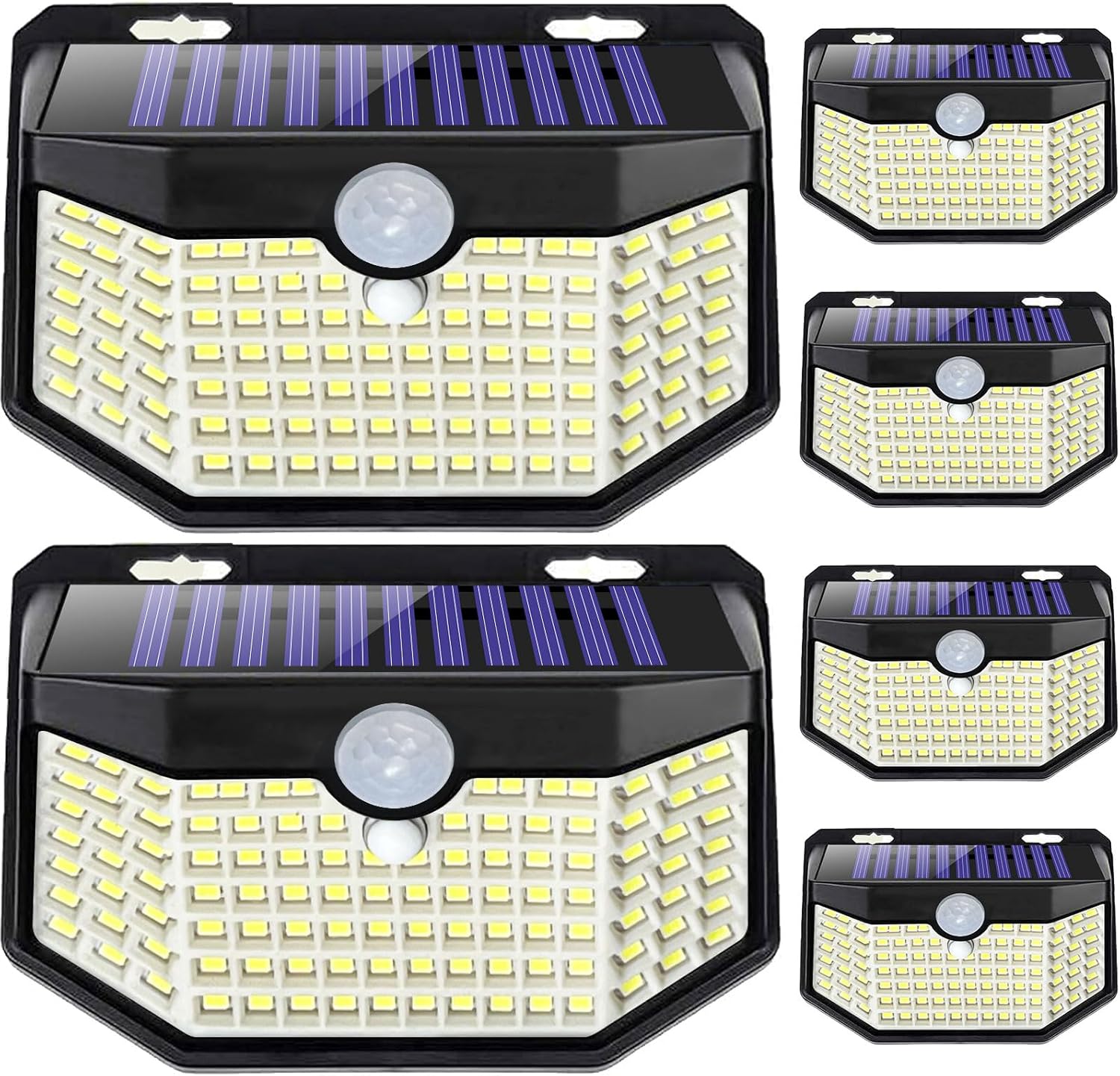
- Motion-activated security lights: Best for entrances, garages, and side yards—use motion sensors rather than continuous all-night illumination.
- Wall, deck, and step lights: Provide localized safety and transition lighting at entries and elevation changes.
- String and decorative lights: Create ambiance; they’re not a substitute for task or safety lighting.
Check how much sunlight the site gets
Solar lights rely on PV panels to collect energy. Note whether the panel gets several hours of direct or mostly unobstructed daylight. Shade from trees, rooflines, fences, and seasonal sun angle can cut charging dramatically. In locations with poor sun, choose a model with a larger panel, a remote solar panel you can mount in sun, or a unit with USB backup charging.
Compare lumens, beam spread, and runtime
Look at three things together: the claimed lumens (light output), the beam angle (how the light is distributed), and the manufacturer’s stated runtime at a given brightness. Lumens alone don’t guarantee useful illumination—mounting height, optics, and surface reflection matter. For context, many pathway uses work well at modest outputs (roughly up to a few hundred lumens), while work or security areas may need higher output—decisions should be task-specific (DarkSky guidance suggests conservative lumen ranges for residential settings).
Choose warm color and reduce glare
Prefer warm CCT (correlated color temperature) around 2700K–3000K or lower for most home installations; these values reduce blue-rich light that can disturb wildlife and increase sky glow. Select fully shielded fixtures or downward-directed designs to limit glare and uplight. Aim lights carefully so they don’t shine into neighbors’ windows, roads, or the sky.
Look for useful controls
Controls conserve battery life and limit unnecessary lighting. Useful features include dusk-to-dawn sensors, motion activation with adjustable sensitivity and range, timers or part-night modes, dimming, and manual overrides. Controls also help balance brightness and runtime through the night.
Verify outdoor durability and installation needs
Check for wet-location or outdoor ratings and read manufacturer instructions for exposed, coastal, snowy, or freezing locations. Inspect the housing, lens, stake or mount, and any cable connections (for remote panels). Ensure drainage around battery compartments and that panels are easy to clean. Protect remote-panel cables from mowers and foot traffic.
Assess battery serviceability and backup charging
Batteries wear out with repeated charge cycles. Check battery chemistry, capacity, whether the battery is replaceable, and availability of replacements. Expect degraded runtime in cold weather and after months or years of use. Models with USB-rechargeable options let you top up cells during prolonged cloudy periods.
Placement and maintenance tips
- Position panels where they get the most unobstructed daylight; keep them clear of leaves, dirt, and snow.
- Install pathway lights consistently to avoid dark gaps and reduce glare for passersby.
- Secure stakes or wall mounts against wind and animal disturbance.
- Follow the manufacturer’s initial-charge and operating-mode instructions for best long-term performance.
Quick buying checklist
- Intended use identified (pathway, accent, security, ambience).
- Adequate sunlight at panel location or a remote panel included.
- Claimed lumens appropriate for the task and beam angle specified.
- Runtime given for a stated operating mode or brightness level.
- Warm CCT selected (preferably 3000K or lower).
- Fully shielded or downward-directed design to reduce glare and uplight.
- Motion sensor, dusk-to-dawn, or timer options when appropriate.
- Outdoor/wet-location suitability and clear installation guidance.
- Replaceable battery and/or USB backup-charging option available.
- Mounting method matches soil, wall, deck, or step conditions; warranty and replacement parts checked.
Conclusion
Match the fixture type, panel arrangement, and controls to the actual task and site conditions. Expect seasonal and weather-driven variation in performance, and plan for occasional maintenance and battery replacement. When sited and specified thoughtfully—warm color, downward direction, sensible brightness, and appropriate controls—solar-powered lights can provide attractive, low-cost lighting without running power to each fixture.