October 5, 2007 — Frito-Lay dedicated a rooftop solar photovoltaic (PV) system on the roof of its Arizona Service Center in Phoenix. At the time, the array was commissioned as an early large-scale commercial solar project in Arizona and was described in contemporaneous reports as the largest business-owned PV system in the state.
What was installed
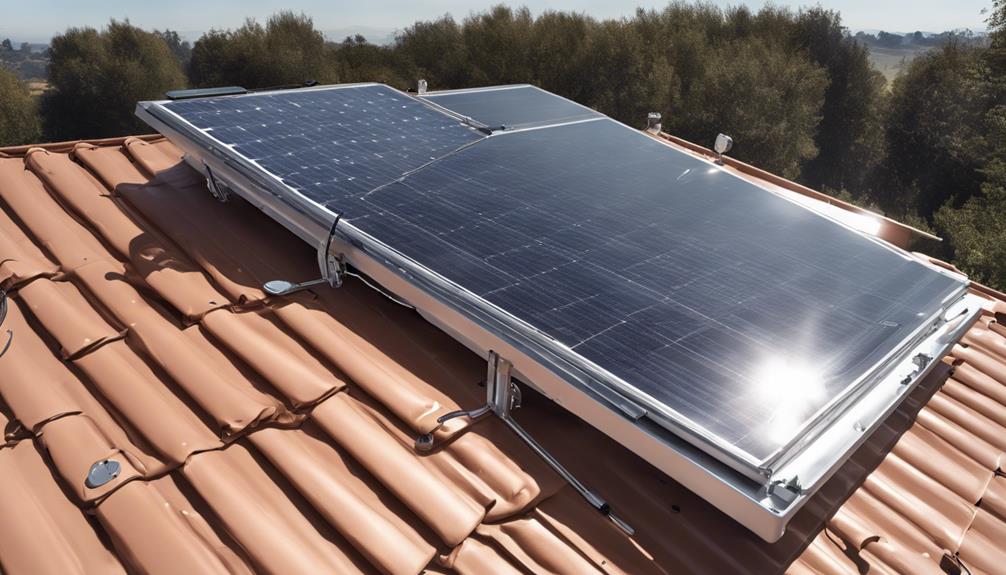
The Phoenix system was a rooftop solar PV array with an installed capacity of about 201 kW (more precisely listed as 201.6 kW DC). Key specifications reported at the time included:
- Installed capacity: 201.6 kW DC
- Modules: 1,008 Kyocera KC200GT modules (200 watts per module)
- Estimated annual electricity production: approximately 350,000 kWh per year (based on contemporary coverage)
- Location: roof of Frito-Lay’s Arizona Service Center, a distribution facility serving Arizona and parts of the Southwest
How the system worked
The array was grid-connected and integrated with the facility’s electrical system, which means the PV panels produced direct-current electricity that was converted by inverters for use by the building’s electrical loads. Because it was installed on-site and tied to the facility’s meters (often described as behind-the-meter generation), the solar output helped offset a portion of the center’s daytime electricity demand. Any excess generation could interact with the utility grid under the interconnection arrangements in place at that time.
Who developed the project
The system was designed and installed by American Solar Electric, a Scottsdale-based company. The project also received partial support from the APS Solar Partners Incentive Program, an incentive mechanism existing in the 2007 period that helped reduce the upfront cost for commercial installations.
Why the project mattered in 2007
In 2007, a 201.6 kW rooftop array on a private distribution facility represented a notable commercial commitment to on-site renewable electricity generation. Several factors made the Phoenix installation significant for its time:
- Scale: Contemporary reports described it as the largest business-owned or private-sector PV system in Arizona in 2007, a historical designation rather than a current ranking.
- Visibility: Installing solar on a large distribution center highlighted how major logistics and retail suppliers could incorporate on-site generation to reduce daytime grid demand.
- Policy and incentives: The project demonstrated how utility incentive programs helped facilitate early commercial adoption of PV.
Broader Frito-Lay and PepsiCo context
By 2007, Frito-Lay had already deployed PV systems at other distribution centers in states like California and New York. The Phoenix array was one part of a broader pattern of early on-site solar projects for the division.
Separately, PepsiCo and Frito-Lay pursued larger and more complex renewable-energy efforts in later years. For example, the Casa Grande, Arizona, manufacturing facility—distinct from the Phoenix distribution center—was reported in 2011 to have multiple PV systems producing nearly 10 million kWh annually as part of a “near net zero” initiative. In subsequent years PepsiCo expanded renewable-electricity procurement through mechanisms such as renewable energy certificates (RECs), power purchase agreements (PPAs) and virtual PPAs (VPPAs). In 2022, PepsiCo reported that Frito-Lay North America had implemented 100% renewable electricity across its U.S. plants, offices, and distribution centers, a broader corporate milestone that does not by itself verify the present status of the 2007 Phoenix array.
Closing perspective
The October 5, 2007 rooftop PV installation at Frito-Lay’s Arizona Service Center in Phoenix stands as a historical example of early commercial-scale on-site solar in Arizona. Its specification—201.6 kW DC with 1,008 Kyocera modules and an estimated annual production of approximately 350,000 kWh—reflects contemporary reporting about the project. While the system was celebrated at the time for its size and demonstration value, reporting about later corporate renewable-energy achievements should not be conflated with the original 2007 array, and public records do not confirm the system’s current condition, ownership, or output. The Phoenix installation is best understood as an important early step in a much larger, evolving corporate approach to renewable electricity rather than as a definitive statement about present operations.