Hook — who this guide is for
If you’re weighing a portable panel for camping, a DIY off‑grid setup for a cabin, or a rooftop system for your home, a “solar energy kit” can mean different things. This guide explains what kits contain, how the parts work together, and when you should hire a pro.
Quick summary: what a solar kit does
A solar kit converts sunlight into usable electricity: photovoltaic (PV) modules produce DC power; a charge controller manages charging to batteries; batteries store energy; and an inverter converts DC to AC for household appliances or grid export. Balance‑of‑system parts (racking, wiring, fuses) and safety disconnects complete the setup.
What’s inside a solar kit?
Most kits bundle a subset of the following components. Each item has a clear role:
- PV module / solar panel — Photovoltaic cells in a durable package that turn sunlight into DC electricity.
- Array — Multiple panels wired together to meet voltage and current needs for the system.
- Charge controller — Regulates voltage/current from panels to batteries. Two main types: MPPT (more efficient) and PWM (simpler/cost‑effective for very small systems).
- Battery — Stores energy. Common chemistries: lead‑acid, AGM, and lithium types like LiFePO4 (longer life, more expensive up front).
- Inverter — Converts DC to AC: options include string inverters, microinverters, and hybrid/battery‑capable inverters.
- Balance‑of‑system (BOS) — Mounting hardware, wiring, breakers/fuses, connectors (e.g., MC4), and safety disconnects.
- Optional — Monitoring hardware, generation meters, and pre‑assembled enclosures for portable models.
- PV panels generate DC current proportional to sunlight. Multiple panels form an array to reach desired power.
- The charge controller prevents overcharging and optimizes solar harvest. MPPT controllers adapt the panel voltage to the battery voltage and typically capture substantially more energy than PWM controllers (often 20–30% better in real‑world conditions).
- Batteries store energy for use when the sun isn’t shining; inverter output depends on battery/inverter size and continuous vs surge ratings.
- In grid‑tied systems, inverters include anti‑islanding protections so the grid is not fed during outages unless designed for safe backup operation.
- Voltage matching — Panel array voltage, charge controller input, battery nominal voltage (12/24/48 V) and inverter DC input must align.
- Ratings — Controller and inverter maximum currents/power should exceed expected peaks; battery capacity (Ah) must match intended autonomy.
- Battery chemistry — LiFePO4 offers longer life and cycle depth versus lead‑acid; warranties and BMS (battery management systems) vary by chemistry.
- Connectors and safety labels — Look for UL/ETL listings, MC4 connectors, and included breakers/disconnects for code compliance.
- Over‑paneling rules — Some battery/inverter setups limit how many watts of panels you can attach—check manufacturer specs.
- Choose MPPT controllers for most systems; PWM only for very small, same‑voltage setups.
- Pick LiFePO4 if you want long battery life and lighter maintenance, despite higher initial cost.
- Confirm UL/ETL listings and check product recalls or safety notices before purchase.
- For grid‑tied rooftop systems, get multiple installer quotes and ensure permits and inspections are done.
- Routine checks: inspect mounts, wiring, and inverter displays annually; clean panels if heavily soiled.
Types of kits and when to choose them
Kits vary by purpose and complexity. Here are common categories and recommended use cases:
Portable solar generators / kits
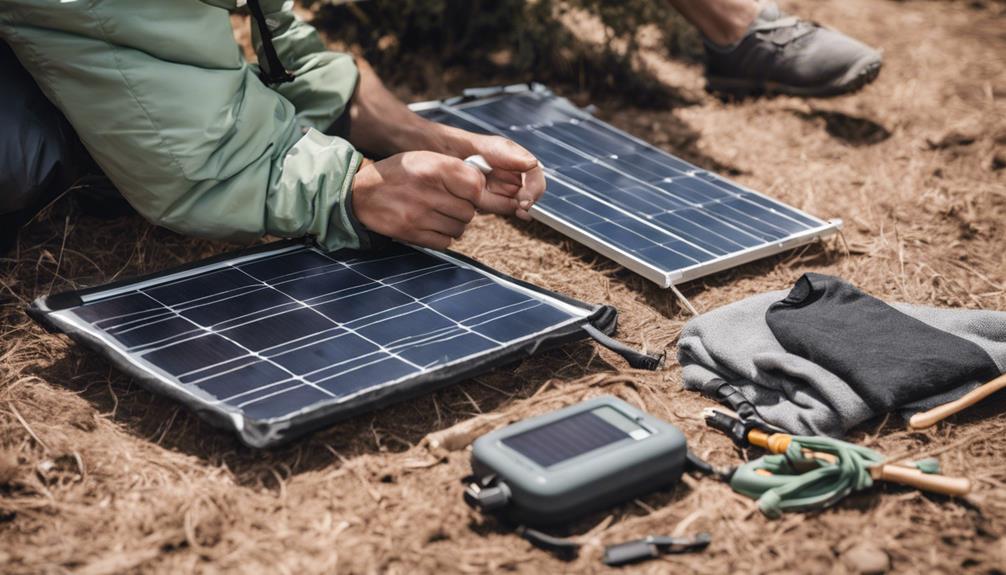
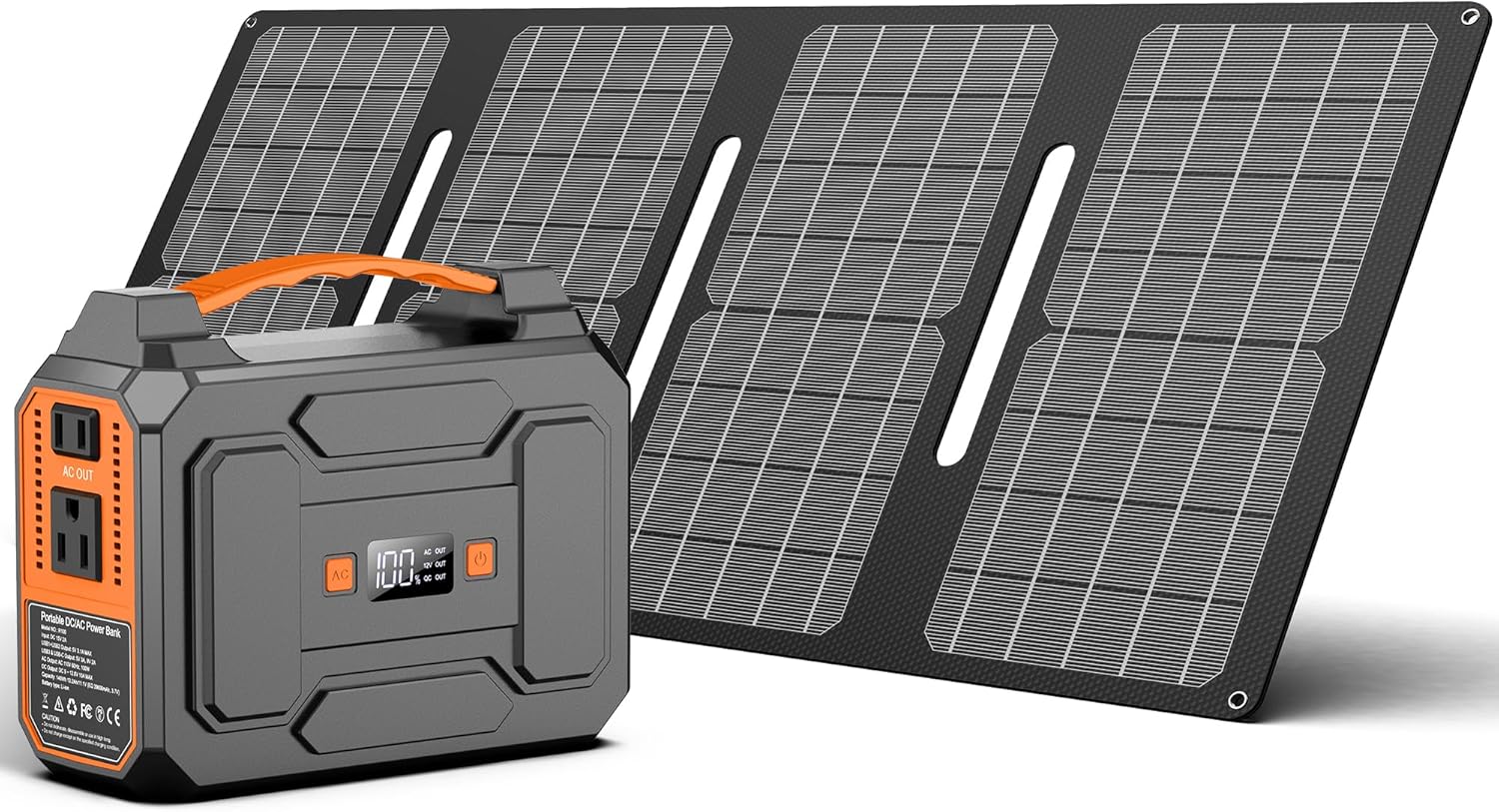
Pre‑assembled units pair foldable panels with an integrated battery, charge controller and inverter. Best for camping, RVs, emergency power, and small appliances. Pros: plug‑and‑play, safe for novices. Cons: limited capacity and not intended for permanent rooftop use.
Small off‑grid DIY kits
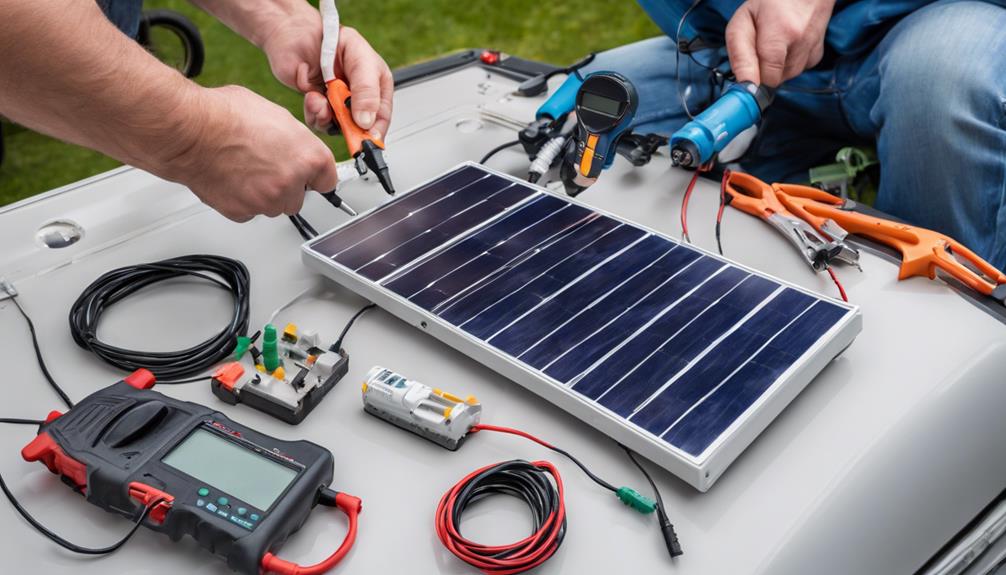
Designed for cabins, tiny homes, or outbuildings without grid access. These include panels, an MPPT controller, batteries sized to your loads, and an inverter. Pros: lower ongoing costs if correctly sized; educational. Cons: requires good planning and understanding of loads and battery care.
Grid‑tied and hybrid kits
Targeted at permanent homes that remain connected to the utility. Hybrid kits add batteries for backup. These systems typically require certified equipment, permits, and installer work to meet code. Pros: potential cost savings, incentives, and energy export. Cons: complexity, higher cost, and legal/inspection requirements.
How the electronics work — a simple flow
Think of power flow as: Sun → PV panel(s) → Charge controller → Battery (optional) → Inverter → Loads / Grid. Key points:
Example (simplified): a 200 W panel under peak sun could produce ~200 W. Charging a 12 V battery at ideal conditions equals ~16–17 A (200 W ÷ 12 V), but actual charge current will be lower after losses and controller operation—this is why MPPT efficiency matters.
Sizing & compatibility — what to check in a kit
Before buying, confirm these compatibility items:
Safety, permits, warranties, and when to hire a pro
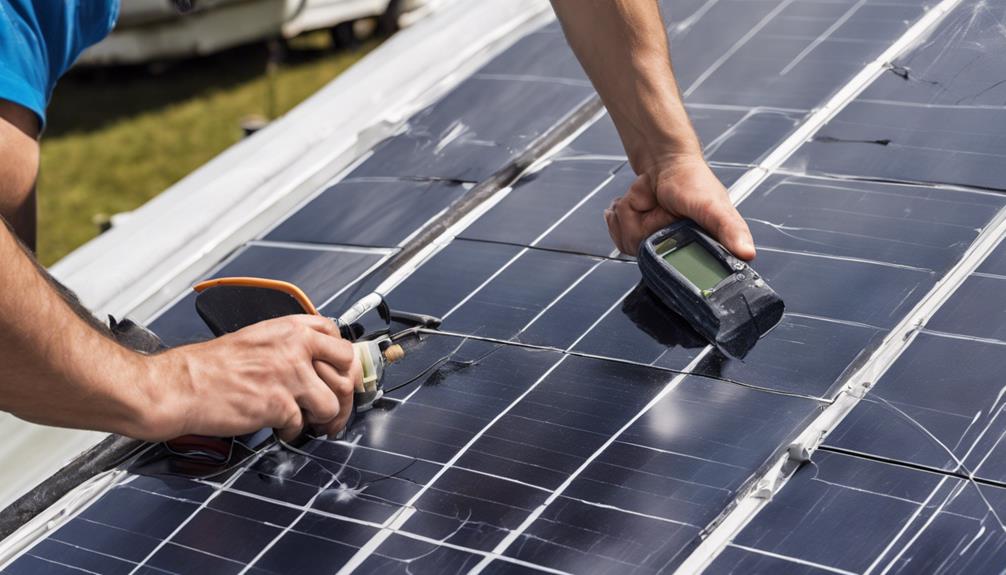
Rooftop and grid‑connected installations are subject to electrical codes (NEC/NFPA) and local permits; working at height and with high currents carries serious risk (see OSHA guidance). For grid‑tied rooftop systems, professional design and licensed installers are strongly recommended to ensure code compliance, safe interconnection, and to preserve warranty and incentive eligibility.
Do not attempt to connect a homemade panel or non‑UL equipment directly to a utility service panel. Grid interconnection requires code‑compliant, anti‑islanding equipment and local permits. Check warranties and UL/ETL listings—many consumer kits are not rated for permanent rooftop installation.
Incentives: the IRS Residential Clean Energy Credit can affect economics—verify the current rules before claiming (Incentives current as of June 23, 2026 — check IRS.gov and local resources).
Practical tips & FAQs
Call to action
If you’re considering a portable kit or small off‑grid project, a reputable vendor or marketplace can help match components. For rooftop or grid‑tied systems, contact licensed local installers for quotes and permit guidance to ensure safety, code compliance and incentive eligibility.