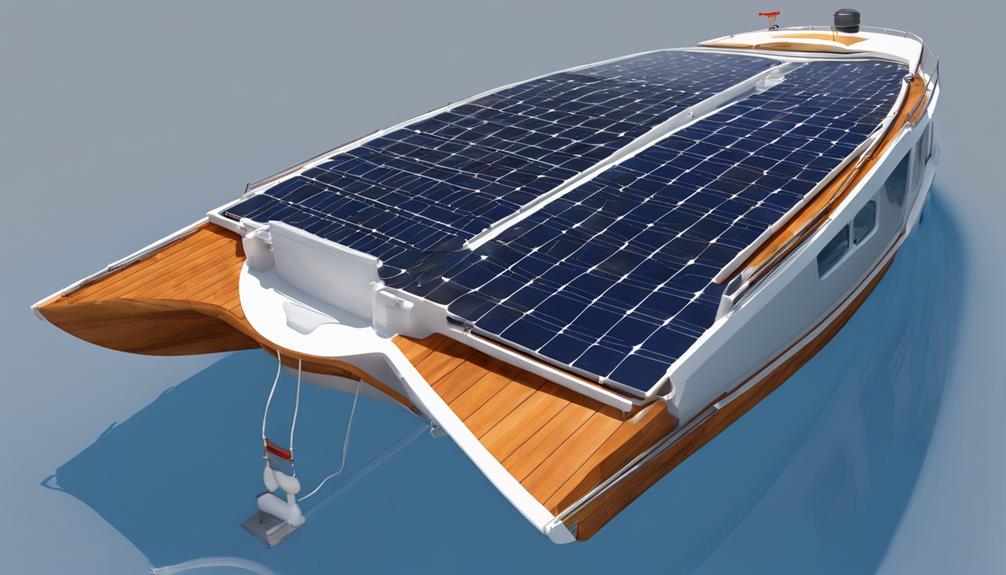
Solar has crossed an important threshold
Solar photovoltaic (PV) systems—technology that converts sunlight directly into electricity—are no longer an emerging experiment. Global PV additions exceeded 600 GW in 2025, bringing cumulative worldwide PV capacity to about 2.8 TW (terawatts). In the United States, installed PV capacity reached roughly 209 GW by the end of 2025, including about 150 GW of utility-scale capacity and 60 GW of small-scale systems. These capacity figures translate into growing generation: U.S. utility-scale solar produced roughly 296,000 GWh (gigawatt-hours) in 2025, with small-scale solar adding about 93,000 GWh.
How solar grew so quickly
The rapid expansion of solar PV reflects a mix of forces rather than a single breakthrough. Key drivers include:
- Manufacturing scale and global supply chains that have driven down module costs.
- Improvements in cell and module design, installation practices, and system engineering.
- Competitive procurement for utility-scale projects and growing deployment of distributed systems (rooftop, commercial, and community solar).
- Public policy and corporate demand that together have reduced perceived market risk and encouraged investment.
What the technology looks like now
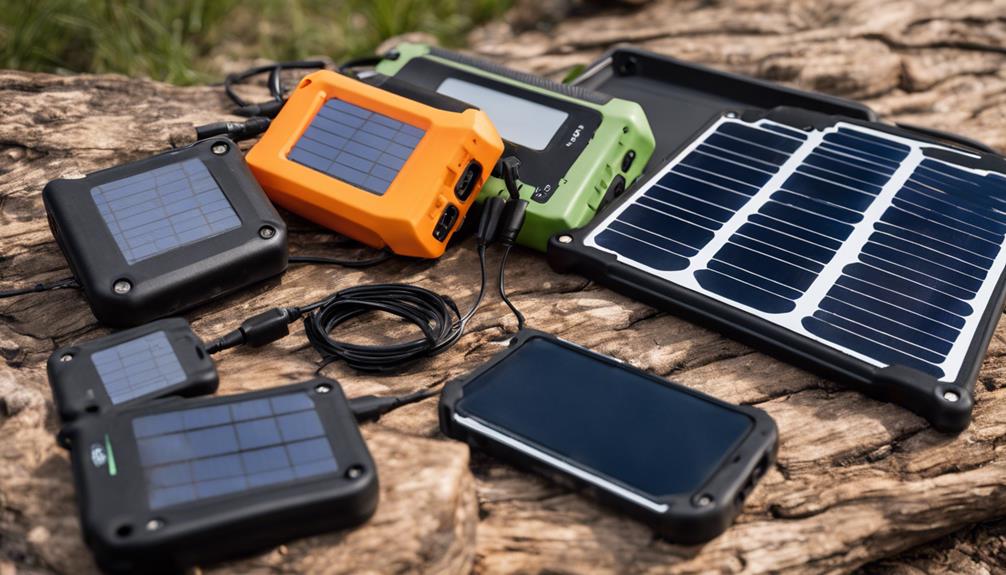
Commercial terrestrial PV remains dominated by crystalline-silicon cells, assembled into modules (also called panels) and grouped into arrays. A PV cell is the basic electricity-producing unit; many cells form a module, and many modules form an array. Recent mainstream technical advances include n-type cell architectures such as TOPCon and heterojunction (HJT), bifacial modules that produce power from light on both faces, single-axis trackers that increase annual energy yield, and improved manufacturing quality that reduces degradation over time.
Laboratory cell efficiency records and specialized multijunction cells are important for research and niche applications, but they are distinct from the performance and economics of ordinary commercial modules and whole systems.
Where solar is being deployed
Deployment now spans a wide spectrum:
- Utility-scale solar: Large ground-mounted plants (generally 1 MW or larger) supplying bulk electricity to the grid.
- Distributed solar / distributed energy resources (DER): Rooftop residential and commercial systems, community solar, and behind-the-meter installations serving local load.
- Specialty deployments: Agrivoltaics (co-locating crops and panels), floating solar on reservoirs, and solar integrated with other infrastructure.
The economics: why solar is often cost-competitive
Economically, solar has moved from niche to mainstream. IRENA reported a 2024 global weighted-average levelized cost of electricity (LCOE)—an estimate of average lifetime cost—of roughly $0.043/kWh for utility-scale solar PV, and a global weighted-average installed cost near $691 per kW. IRENA also estimates that utility-scale PV LCOE declined about 90% between 2010 and 2024.
Why does solar sometimes win procurement and investment decisions?
- Low upfront module costs in many markets and predictable production profiles during daylight hours.
- Standardized project development practices and increasingly experienced financiers.
- Opportunities to pair PV with storage or use existing land and rooftops to avoid transmission costs.
However, costs vary widely by location and project. Financing terms, labor and permitting costs, interconnection delays, land and transmission availability, and whether storage is included can all change the economics. LCOE is a useful comparison tool but does not capture system integration costs or the value of shifting energy to different hours.
Solar-plus-storage and grid integration
Solar’s main operational characteristic is variability: output changes with time of day, season, and weather. That is not a fatal flaw, but it requires tools and planning. Battery energy storage systems (BESS) are described by both power capacity (megawatts, MW) and energy capacity (megawatt-hours, MWh). When co-located with PV as solar-plus-storage, batteries can shift midday solar generation into evening hours, smooth short-term fluctuations, reduce curtailment, and provide backup or resilience services.
Inverters—devices that convert PV-generated direct current (DC) to alternating current (AC)—are also evolving. Smart inverters and grid-forming inverters can provide voltage and frequency support, ride-through behavior during disturbances, and other grid services increasingly needed as inverter-based resources grow.
Challenges that remain
Despite strong growth and improving costs, solar deployment faces real hurdles:
- Intermittency and the need for storage or other flexible resources to maintain reliability.
- Transmission constraints and the time required to build new lines.
- Permitting, land-use conflicts, and interconnection queue backlogs.
- Project-level financing and supply-chain stresses that can raise costs or delay timelines.
- Grid-integration issues including managing high shares of inverter-based generation and maintaining system inertia and stability.
Policy is changing—and time-sensitive
Policy has supported solar growth, but rules change. In the U.S., the Clean Electricity Investment Credit (often referenced as Section 48E) is a technology-neutral investment credit for qualifying facilities placed in service after December 31, 2024. IRS guidance published through 2025 includes deadlines and construction-start rules that affect eligibility, and the residential clean energy credit is not available for residential property placed in service after December 31, 2025. These provisions are legally detailed and time-sensitive; project developers and consumers should consult current IRS guidance or professional advisors for project-specific questions rather than treating this article as tax advice.
Conclusion: mainstream now, systems work next
Solar PV has passed the test of scale: it is a major source of new capacity worldwide and a significant share of U.S. additions. The coming phase is less about proving PV technology and more about integrating large volumes of variable generation into reliable electricity systems. That will require investments in storage, smart inverters, transmission, streamlined permitting, and flexible market designs so solar can deliver clean, affordable, and dependable electricity at scale.