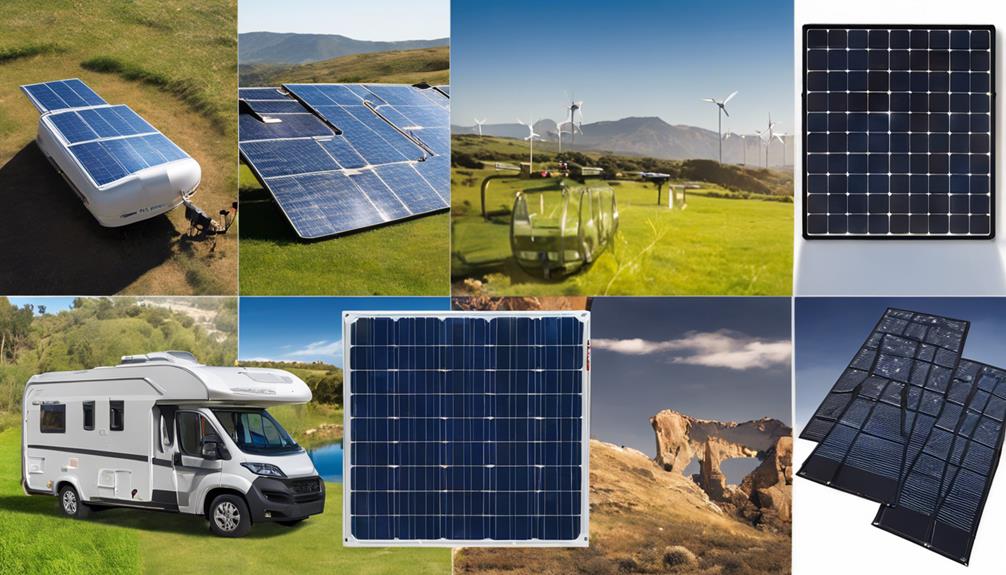
Installing solar panels for a small cabin is one of the most practical and cost-effective ways to achieve reliable off-grid power. Whether your cabin is a weekend getaway or a year-round retreat, a thoughtfully designed solar power for small cabin setup reduces fuel deliveries, eliminates noisy generators, and provides quiet, low-maintenance electricity. This article walks through sizing, components, installation tips, use cases, and cost considerations so you can plan a dependable solar system that matches your cabin lifestyle. For a small cabin, consult off-grid energy basics to properly size panels, batteries, and inverters.
Why choose solar panels for a small cabin
Small cabins often have limited roof space, modest energy needs, and a desire for self-sufficiency. Solar panels fit these constraints well because modern photovoltaic modules are compact, efficient, and scalable. A properly sized system gives you lights, phone charging, a small fridge, and entertainment without the complexity of grid hookups or constant generator operation. Solar for small cabin applications also minimizes environmental impact and eliminates fuel handling, making it especially attractive in remote, forested, or waterside settings where access can be difficult.
Sizing a solar power setup for cabin
Start by calculating your daily energy use in watt-hours. Track typical loads such as LED lighting, water pump, refrigerator, satellite modem, and any electric heating or cooking, then estimate hours of use. A weekend cabin with basic lighting, a small fridge, and device charging might require 1,000 to 2,000 watt-hours per day. A modest full-time cabin with more appliances could need 4,000 to 8,000 watt-hours. Once you know daily usage, factor in system losses and desired days of autonomy. From there, choose solar panel wattage to generate the required energy given your site’s sun hours, and select battery capacity to store that energy overnight and through cloudy stretches.
Key components for off-grid solar systems
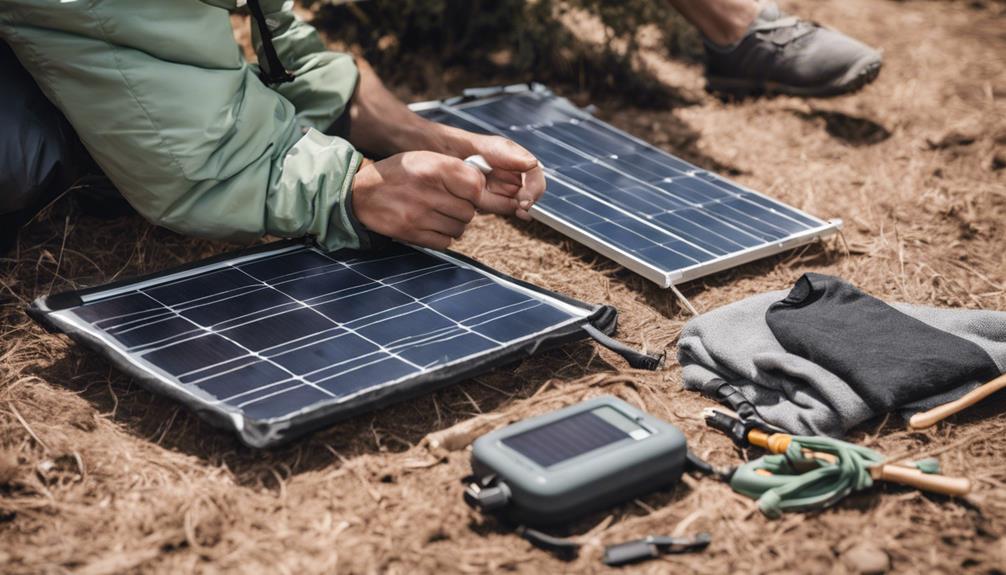
An off-grid solar system for a cabin includes several essential parts. Solar panels convert sunlight into DC power; modern panels range from 100 to 400 watts each and can be combined to reach the desired array size. A charge controller, ideally an MPPT (maximum power point tracking) unit, optimizes panel output to charge batteries efficiently. Batteries store energy; lithium iron phosphate (LiFePO4) batteries are increasingly popular for cabins because they provide deeper usable capacity, longer cycle life, and faster charging compared to lead-acid options. An inverter converts DC battery power to AC for household appliances; choose a pure sine wave inverter sized slightly above your peak expected load. Additional components include breakers or fuses, a system monitor or battery management system, wiring, and mounting hardware.
Practical installation tips for solar for small cabin use
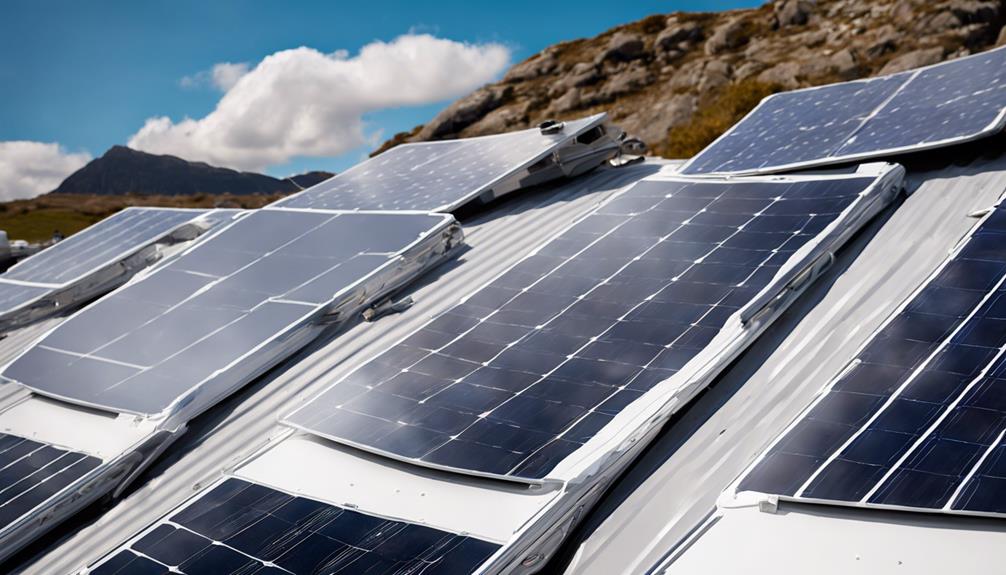
Proper installation maximizes energy harvest and ensures safe operation. Position panels where they receive full sun most of the day and avoid shade from trees or nearby structures. In northern climates consider tilt angles that balance summer and winter production, and design for easy snow removal or use steeper mounts to shed snow. Ground-mounted arrays give flexibility but require secure foundations and theft deterrence in accessible areas. Use quality connectors and correctly sized wire to minimize voltage drop, and place the charge controller and batteries in a dry, ventilated, frost-protected space. If you plan to be away for long periods, add a remote monitoring system so you can check battery state and solar performance from your phone or computer. For cabins concerned with home security, integrating lighting and simple cameras with the solar system provides added peace of mind while remaining energy efficient. For a small cabin solar array, consider inverter selection tips to ensure reliable off-grid power conversion.
Typical use cases and example system configurations
Common solar power setups for cabins fall into three categories: basic weekend, mid-range full-time, and high-demand off-grid. A basic weekend cabin might use two 200-watt panels, a 30-amp MPPT controller, a 200 to 300 amp-hour 12-volt battery bank (or equivalent LiFePO4), and a 600–1000 watt inverter. This supports LED lights, phone charging, a small DC or efficient AC refrigerator, and occasional coffee maker use. A mid-range full-time cabin might use 800–1,600 watts of panels, a 48-volt battery bank around 5 to 10 kWh usable capacity, and a 2,000–3,000 watt inverter to run larger loads and intermittent electric water heating. For high-demand off-grid cabins with heating and appliances, designs scale up with more panels, greater battery storage, and sometimes a backup generator for extended cloudy periods. In every case, the best system balances local solar resource, realistic energy use patterns, and budget.
Maintenance, longevity, and cost considerations
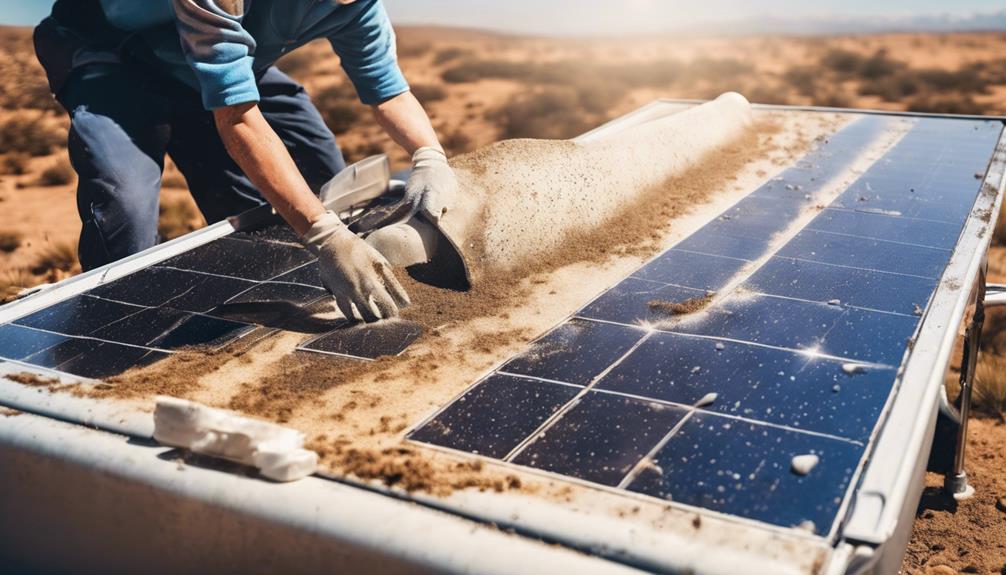
Solar systems for cabins are generally low maintenance. Panels should be inspected and cleaned seasonally if debris or bird droppings reduce output. Batteries require more attention; lead-acid needs periodic equalization and temperature management, while LiFePO4 batteries perform well with minimal upkeep but require a proper battery management system. Inverter and controller firmware updates and periodic checks of wiring and connections keep the system reliable. Upfront costs vary widely based on system size and component quality: a basic weekend-ready solar power setup for cabin use can start around $2,000 to $4,000 installed DIY, while a larger full-time off-grid system typically ranges from $8,000 to $20,000 when using higher-capacity batteries and professional installation. Warranties, component lifespans, and potential added expenses for mounts or site prep are important to include when budgeting.
Solar panels for small cabin applications offer a flexible path to independence and comfort, whether your goal is occasional use or year-round living off the grid. By carefully assessing energy needs, choosing the right mix of panels, controllers, batteries, and inverters, and following solid installation and maintenance practices, you can create a reliable solar power setup for cabin life. Thoughtful planning ensures your off-grid solar system provides quiet, sustainable power for years to come.