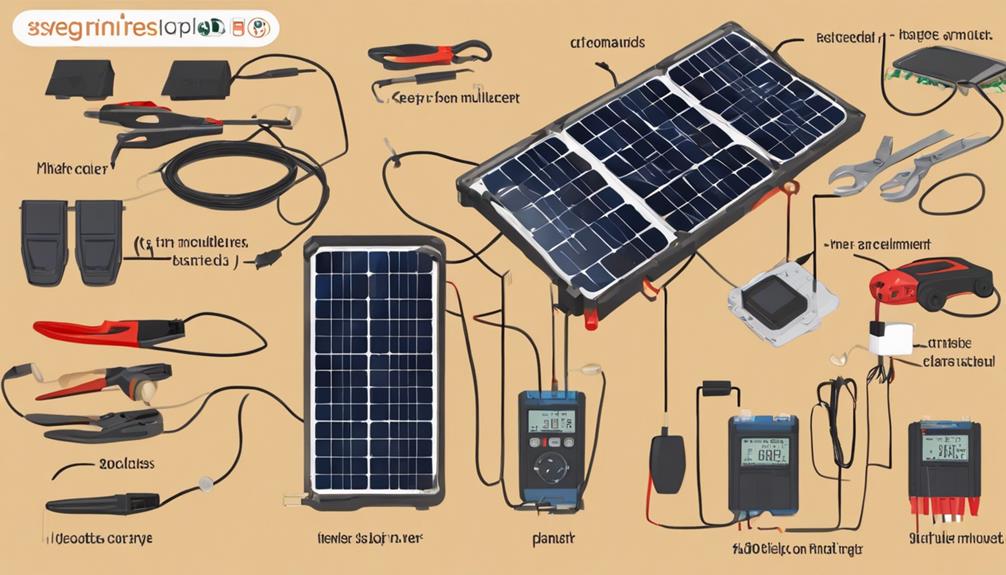
Choosing to go off grid is a significant lifestyle and financial decision. One of the first questions homeowners and property owners ask is: what will an off grid solar system cost? Understanding the components, installation, and long-term expenses helps you budget realistically and compare options. This article breaks down the elements that drive off grid solar system cost, offers typical price ranges for different system sizes, and highlights practical use cases so you can decide whether an off-grid setup is right for your needs. Understanding cost drivers helps when calculating off-grid system sizing and necessary components for reliable power.
What determines off grid solar system cost
The total cost of an off-grid solar system depends on several key factors: system size (measured in kilowatts), battery storage capacity, panel type, mounting and site complexity, and installation labor. Remote locations may add transportation and logistics costs, especially if equipment must be delivered to a cabin, farm, or rural property. Quality of components also matters—a high-efficiency panel and a reputable inverter/charge controller brand will raise upfront costs but typically deliver better reliability and longer life. Finally, permitting, inspections, and any required site prep such as clearing or structural reinforcement contribute to the final price tag.
Typical cost ranges by system size
While prices fluctuate by region and supplier, you can expect different ranges for common off-grid solar setups. Small systems sized for tiny homes or weekend cabins (around 1 to 3 kW) often range from several thousand to around $10,000, including batteries and basic installation. Medium systems that support a modest household with limited electric loads (3 to 6 kW) typically fall between $10,000 and $30,000 depending on battery capacity. Larger systems designed for full-time, energy-intensive homes or farms (6 to 10+ kW) commonly start in the high tens of thousands and can exceed $50,000 when extensive battery banks are included. These figures reflect total installed cost because off grid solar power systems cost must include battery storage and control systems to provide reliable, standalone power.
Example scenarios
For a remote cabin with basic lighting, a small refrigerator, and occasional heating or cooking, a 2 kW solar array paired with a 6 to 10 kWh battery bank may be sufficient, often costing in the $8,000 to $15,000 range. A full-time household that aims to run multiple appliances, a water pump, and heating or air conditioning will require a larger array and 20 kWh or more of battery storage, pushing costs into the $20,000 to $50,000 bracket or higher. Off-grid farms with heavy-duty equipment or large water systems may need custom-engineered systems and ongoing maintenance plans that increase both initial and lifetime costs.
Battery and storage costs: the biggest variable
For off-grid systems, batteries and energy management are usually the single largest expense. Lead-acid batteries are less expensive upfront but have shorter lifespans and require more maintenance. Lithium-ion batteries cost more initially but offer higher depth of discharge, longer cycle life, and more efficient use of solar generation, which can lower lifecycle costs. When estimating off grid solar system cost, factor in the expected replacement timeline for battery banks, warranty coverage, and whether you need redundancy for prolonged cloudy periods. Charge controllers, inverters that handle DC-to-AC conversion, and energy monitoring systems also add to storage-related expenses. Consider equipment choices and maintenance when estimating off-grid power systems costs for your property.
Installation, permits, and ongoing maintenance
Installation labor varies based on system complexity and local labor rates. Mounting panels on a simple roof is usually cheaper than ground-mounted tracking arrays or specially engineered structures. Off-grid installations often require additional work to ensure the electrical system is safely isolated from any utility grid connections, which can increase electrician costs. Permits, inspections, and occasional upgrades to meet local building codes should also be included in your budget. Once installed, routine maintenance—cleaning panels, checking battery health, and replacing worn components—adds modest recurring costs but preserves system performance and longevity.
Practical use cases and return on investment
Understanding practical use cases clarifies how the off grid solar system cost translates into value. Remote cabins and tiny homes benefit from independence and lower recurring energy bills, and for some owners the reduced utility connection costs justify the investment. Off-grid systems on farms or ranches power pumps, lights, and tools where grid access is limited or unreliable. For homeowners seeking energy resilience, an off-grid-capable system with sufficient battery backups provides peace of mind during outages. Calculating return on investment requires comparing anticipated energy savings and avoided infrastructure costs against upfront expenses and expected system life. In many rural scenarios, payback periods can range from under ten years to several decades, depending on energy usage, system size, and available incentives.
How to reduce your off grid solar power systems cost
There are practical steps to lower the cost without compromising reliability. Start by reducing your energy consumption through efficient appliances, LED lighting, and improved insulation; a smaller system requires less hardware and batteries. Shop multiple vendors and consider bundled system quotes that include warranty and maintenance options. Selecting the right balance between battery chemistry and capacity based on realistic usage helps avoid overspending on unnecessary storage. If available, investigate manufacturer rebates, tax incentives, or regional grants for renewable energy installations, which can significantly offset upfront costs. Finally, working with an experienced installer who understands off-grid design can optimize system sizing and prevent costly mistakes.
Deciding to go off grid involves weighing the upfront off grid solar system cost against long-term benefits such as independence, resilience, and potential savings. By carefully assessing your energy needs, choosing appropriate components, and planning for maintenance and replacements, you can design a system that fits both your budget and lifestyle. Whether you are powering a remote cabin, a small farm, or preparing for outages, a well-planned off-grid installation can deliver reliable power for years to come.