Estimating a 10kw solar system cost is one of the first questions homeowners and small business owners ask when considering a move to solar. The total price depends on components, installation complexity, local incentives and whether you choose a grid-tied or off-grid configuration. This article breaks down typical price ranges, what influences cost, how many panels you might need, and practical use cases for a 10 kilowatt solar system so you can make a clearer decision when shopping complete solar kits and systems. Compare 10kW solar kit prices and configurations to choose the right complete system for your home.
What influences the 10kw solar system cost?
The cost of a 10kw solar system is determined by several interrelated factors. Panel quality and wattage are major drivers: higher-efficiency solar panels cost more per watt but reduce space requirements. Inverter choice—string inverters, microinverters, or hybrid systems for battery integration—also affects price. Installation complexity, roof type, and necessary permits contribute labor costs. Geographic location influences both equipment selection and incentives; regions with strong solar markets often have lower installation costs per watt. Finally, whether you buy a turnkey package or assemble a custom 10kw solar power plant will change the final price, with complete solar kits typically offering more predictable pricing.
Typical 10kw solar system price breakdown
As a general guide, residential 10kw solar system price ranges can vary widely. On a per watt basis, installed systems commonly fall between $1.50 and $3.50 per watt depending on scale and market. That translates to roughly $15,000 to $35,000 for a 10 kilowatt solar system cost before incentives in many areas. This range includes panels, inverter, racking, wiring, permits and installation labor. Panels often account for 30 to 40 percent of the total cost, inverters 10 to 15 percent, and balance of system plus labor the remainder. If you add battery storage to go off-grid or provide backup, the cost increases significantly—batteries can double or triple the overall investment depending on capacity.
How many panels and space are required for 10kw?
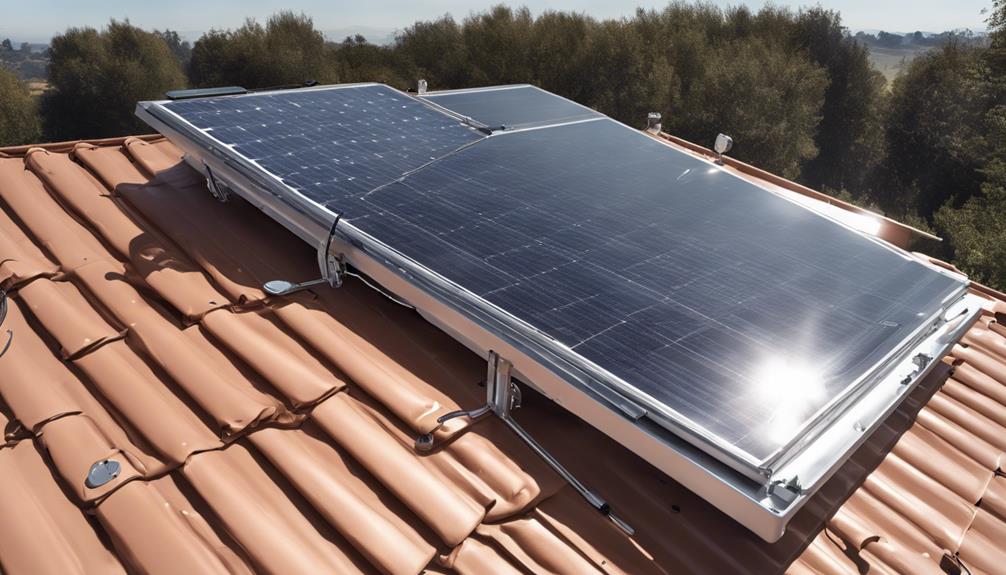
People sometimes assume that 10 solar panels will produce a 10kw system, but that depends entirely on panel wattage. Typical residential panels range from 300 to 400 watts. With 330-watt panels you would need about 30 panels to reach 10 kilowatts (10,000 watts divided by 330 watts). With 400-watt panels you would need about 25 panels. The roof or ground space required depends on the panel dimensions and mounting layout; a 10kw array usually occupies roughly 450 to 700 square feet of roof area. If space is limited, higher-efficiency panels reduce the footprint but increase hardware costs. Complete solar kits often specify the number of panels and racking needed to achieve a 10kw capacity and can simplify planning.
10kw off grid solar power system versus grid-tied setups
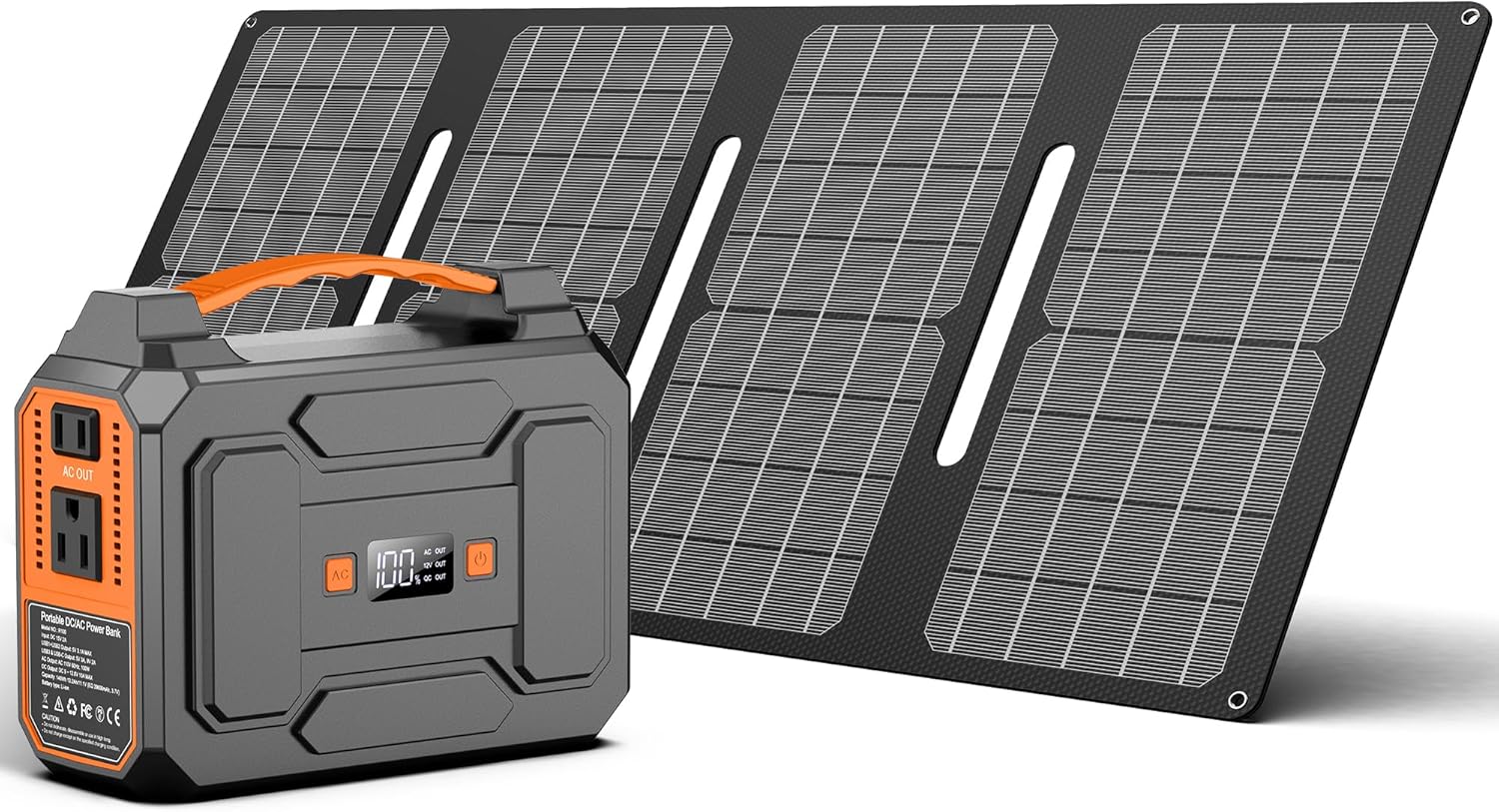
Choosing a 10kw off grid solar power system changes the cost profile significantly compared with a grid-tied 10kw installation. A grid-tied system without batteries focuses on peak generation and net metering benefits, keeping costs lower and payback periods shorter. An off-grid solution requires batteries sized for days of autonomy, a charge controller and often a backup generator. That leads to higher upfront cost but greater energy independence. For example, a 10kw off grid solar power system with enough battery storage to cover evening and cloudy days could increase the total 10kw solar power plant cost by tens of thousands of dollars depending on battery chemistry and capacity. For many homeowners, a hybrid approach—grid connection with battery backup—offers a compromise between cost and resilience. Comparing a 10kW solar system cost with a small starter kit helps homeowners budget realistically for future expansion.
Practical use cases and return on investment
A 10kw system suits households with higher electricity consumption, small farms, and light commercial operations. Typical applications include powering multiple HVAC units, water heaters, electric vehicle charging, or running small workshop equipment. In sunny regions a properly sized 10kw system can offset most or all of a family’s electricity use, producing strong month-to-month savings. Calculating payback requires estimating local electricity rates, average solar production, and available incentives. In markets with favorable net metering or tax credits, a 10kw solar system price can be offset substantially, shortening payback to five to ten years in some cases. For businesses, the system may also provide tax benefits and predictable energy costs that aid budgeting.
Financing, incentives and maintenance considerations
Financing options—cash purchase, solar loans, leases, and power purchase agreements—affect the effective 10kw solar system cost you experience. Many buyers reduce out-of-pocket expense with loans that let savings cover payments. Federal, state and local incentives can lower the net cost dramatically where available, and full-service installers typically help navigate rebates and tax credits. Maintenance for a 10kw array is relatively low: periodic cleaning, inverter inspections and occasional repairs. Warranties for panels and inverters vary, so comparing warranty lengths and performance guarantees is important when evaluating complete solar kits and systems.
Estimating the cost of a 10kw system requires balancing upfront investment with long-term savings and your energy goals. Whether you’re comparing 10kw solar system price quotes, assessing a 10kw off grid solar power system, or planning a small 10kw solar power plant for a business, get multiple estimates, review component warranties, and factor in incentives. A well-planned 10 kilowatt solar system can deliver reliable power, reduce electricity bills, and contribute to a more sustainable energy profile for your home or business.