Choosing a compact renewable energy solution can be overwhelming, but a 100 watt solar power kit offers a straightforward, affordable entry point for homeowners, RV owners, and off-grid enthusiasts. This article explains what a 100 watt solar panel system can do, breaks down the typical components included in a 100 watt solar panel kit, and shows practical use cases and selection tips. Whether you search for solar power 100 watts or want a 100 watt solar panel kit with battery and inverter, this guide will help you decide if a 100w solar panel kit fits your needs within the Complete Solar Kits and Systems category. If your 100 Watt Solar Power Kit is insufficient, explore complete solar kit options for scalable system upgrades.
What is a 100 watt solar power kit?
A 100 watt solar power kit typically centers on a single 100 watt solar panel combined with the necessary balance of system components to generate and store electricity. The kit is often marketed as a complete package for small-scale applications: powering lights, charging devices, running a small refrigerator for short intervals, or topping up a leisure battery in an RV. When people search for solar 100 w or panel solar 100w, they usually want a compact, easy-to-install solution that provides reliable power without the complexity of a full rooftop system.
Components and typical specifications
A standard 100 watt solar panel is a 12-volt class module that produces about 100 watts of peak power under ideal sunlight. A 100 watt solar panel kit often includes the panel, mounting hardware, a charge controller, wiring, and sometimes a battery and inverter. Kits labeled 100w solar power kit or 100w solar panel kit vary by brand and configuration, so understanding each component helps you match the kit to your needs.
Charge controller, battery, and inverter
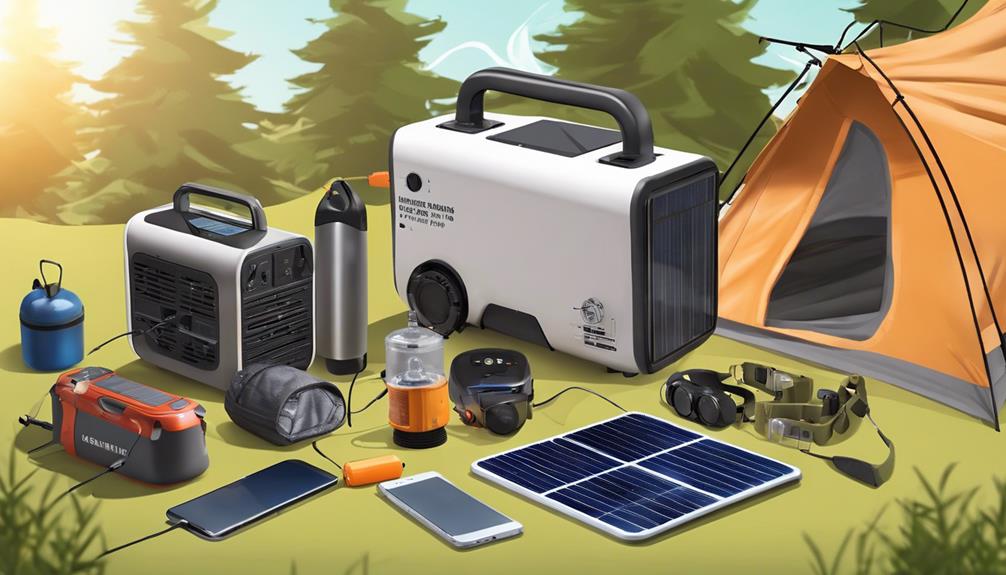
The charge controller prevents battery overcharge and can be a simple PWM (pulse width modulation) unit or a more efficient MPPT (maximum power point tracking) controller. For storing energy, kits may include a deep-cycle lead-acid battery or a lithium battery. A 100 watt solar panel kit with battery and inverter is ideal if you want immediate backup power; the inverter converts stored DC power into AC for conventional appliances. Typical small inverters in these kits are 300 to 1000 watts peak, enough for low-power AC devices but not suitable for heavy appliances like electric heaters or large air conditioners.
Practical use cases for a 100 watt solar panel
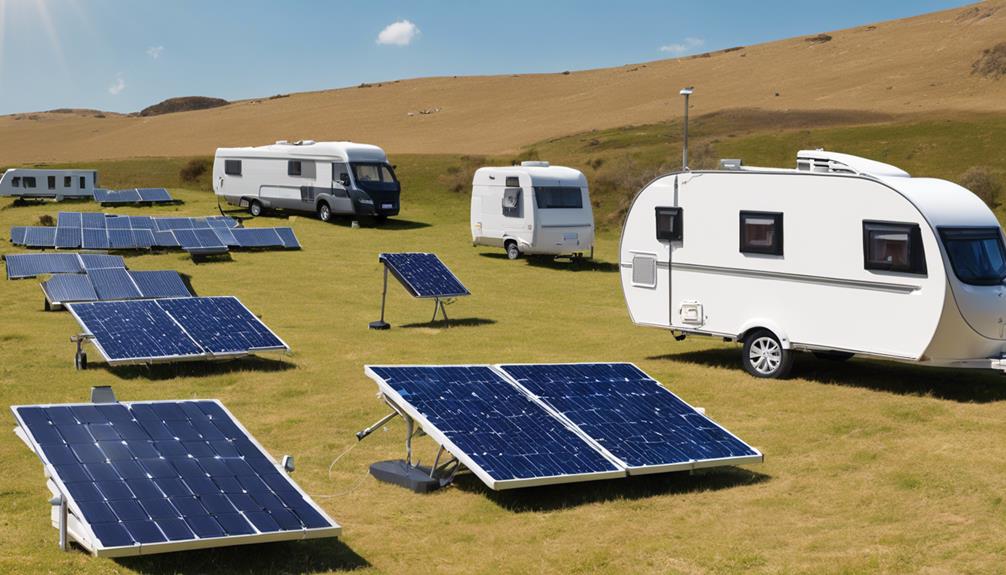
A 100 watt solar panel kit is most effective when paired with realistic energy expectations. For example, in full sun conditions, a 100 watt panel might produce 4 to 6 amp-hours per hour at 12 volts or approximately 300 to 600 watt-hours over a sunny day, depending on location and weather. This makes a solar 100 watt kit useful for charging phone and laptop batteries, powering LED lighting and a small water pump, or running a compact 12-volt refrigerator intermittently. In an RV, a 100w solar panel kit can keep batteries topped up during daylight and reduce generator run time. For a remote cabin or shed, two or more panels can be combined later to expand capacity without replacing the core system.
Installation and maintenance tips
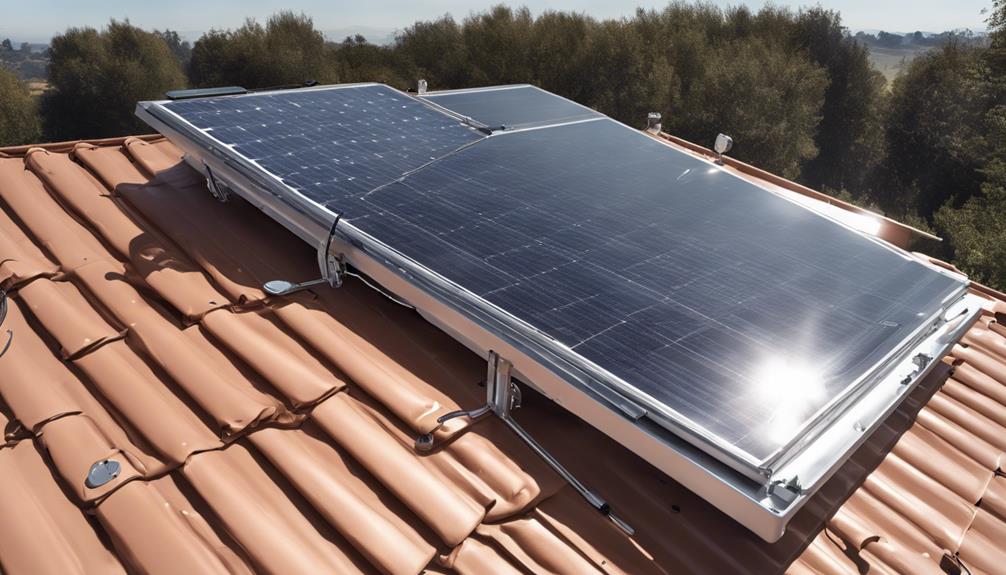
Installing a 100 watt solar power kit is often straightforward, but correct placement and mounting are essential for performance. Position the panel where it receives maximum sun exposure for the longest part of the day, ideally angled toward the equator and free of shading from trees or structures. Use the included mounting hardware or a tilt bracket to optimize panel angle seasonally. Wiring should be secured and weatherproofed, and the charge controller and battery must be installed in a ventilated, dry location. Routine maintenance includes cleaning the panel surface periodically, checking connections for corrosion, and monitoring battery health. Proper maintenance ensures the system delivers expected solar power 100 watts performance over time. For larger power needs, consider upgrading to 5 kW from a 100 Watt solar power kit.
How to choose the right 100 watt solar panel kit with battery and inverter
Selecting the correct 100 watt solar panel kit depends on your energy requirements and future expansion plans. Start by estimating daily energy consumption in watt-hours for the devices you intend to run. If your needs are modest—lighting, phone charging, and a small fan—a single 100w solar panel and a 50 to 100 amp-hour battery may suffice. If you plan to run AC devices or require overnight use, choose a kit that includes an inverter sized for your peak loads and a larger battery or lithium option for deeper discharge cycles. Look for kits that include an MPPT charge controller if you expect variable sun conditions or plan to expand with additional panels, as MPPT will yield better efficiency and faster battery charging.
Consider build quality and warranty: panels with a strong frame, tempered glass, and a 25-year performance warranty provide long-term reliability. If portability matters—for camping or seasonal RV use—opt for a lightweight panel and a modular battery that can be removed and stored. When dealers advertise a 100 watt solar panel kit with battery and inverter, verify that cable lengths, connectors, and mounting hardware meet your installation needs to avoid last-minute purchases.
In the context of complete solar kits and systems, a 100 watt option is a practical, cost-effective starting point for many small and medium off-grid applications. It offers an accessible way to reduce reliance on grid power, support home security systems, maintain battery levels for leisure use, or provide emergency charging capability during outages.
In conclusion, a 100 watt solar power kit delivers a balanced combination of simplicity, affordability, and utility for low to moderate energy needs. By understanding the kit components, real-world energy production, and suitable use cases, you can select a 100w solar panel kit that meets your current requirements and allows for future expansion. Proper installation and maintenance will maximize performance, making a 100 watt solar panel kit a smart first step into renewable energy within the Complete Solar Kits and Systems category.