Installing a 4kw solar system is a practical entry point for homeowners looking to reduce electricity bills, lower carbon footprint, and add basic resilience against outages. Paired with appropriate home solar battery storage, such as a 4 kwh battery or larger, a 4 kilowatt solar array can cover a significant portion of daily energy needs for many small to medium households. This article explains how a 4kw solar system works, when a 4 kwh battery is adequate, real-world use cases, and the practical considerations for installation and maintenance. A 4kW solar system pairs well with battery backup options to keep your home powered overnight.
How a 4kw solar system works
A 4kw solar system refers to the peak DC output of the solar panels under standard test conditions. In everyday terms, that rating indicates the array can produce up to four kilowatts of power under ideal sunlight. Actual energy production varies by location, roof orientation, shading, and seasonal sunlight. Typical daily energy yield for a 4kw system ranges from roughly 12 to 20 kWh per day depending on your region and solar hours.
The system includes solar panels, an inverter to convert DC to AC, mounting hardware, and optional battery storage. With a grid-tied setup, surplus energy flows back to the grid or is measured via net metering. When you add a battery, the system can store excess daytime generation for evening use or provide backup during outages, improving self-consumption and energy independence.
Sizing batteries: is a 4 kwh battery enough?
Understanding the difference between kilowatts and kilowatt-hours is essential when combining solar and battery storage. The 4kw rating describes instantaneous power generation capacity, while a 4 kwh battery describes stored energy capacity — enough to deliver four kilowatts for one hour, or one kilowatt for four hours. Whether a 4 kwh battery is sufficient depends on your household consumption patterns and goals.
For homeowners aiming to shave peak evening loads or cover a few hours of essential circuits during short outages, a 4 kwh battery can be useful. It may cover lighting, refrigeration, and selected appliances for several hours. However, if your objective is full-home backup through a long-duration outage or to go off-grid overnight, you will likely need much more storage. Many households pair a 4kw system with 6–12 kWh of battery capacity to balance daytime production and evening demand more effectively.
Practical use cases for a 4kw system with battery storage
One common scenario is reducing daytime grid consumption. A 4kw array can supply most daytime loads for a household that uses energy conservatively, such as running washing machines, dishwashers during the day, and charging devices. Adding a 4 kwh battery allows you to store midday excess to use during evening peak-rate hours, cutting utility bills for customers on time-of-use plans.
Another use case is partial backup. For homeowners who want to keep critical loads running during short grid interruptions — like preserving food in the refrigerator, maintaining Wi-Fi, and powering lights and medical devices — a 4 kwh battery paired with a 4kw inverter provides a compact, cost-effective solution. It won’t support heavy loads like central air conditioning for long periods, but it offers meaningful resilience.
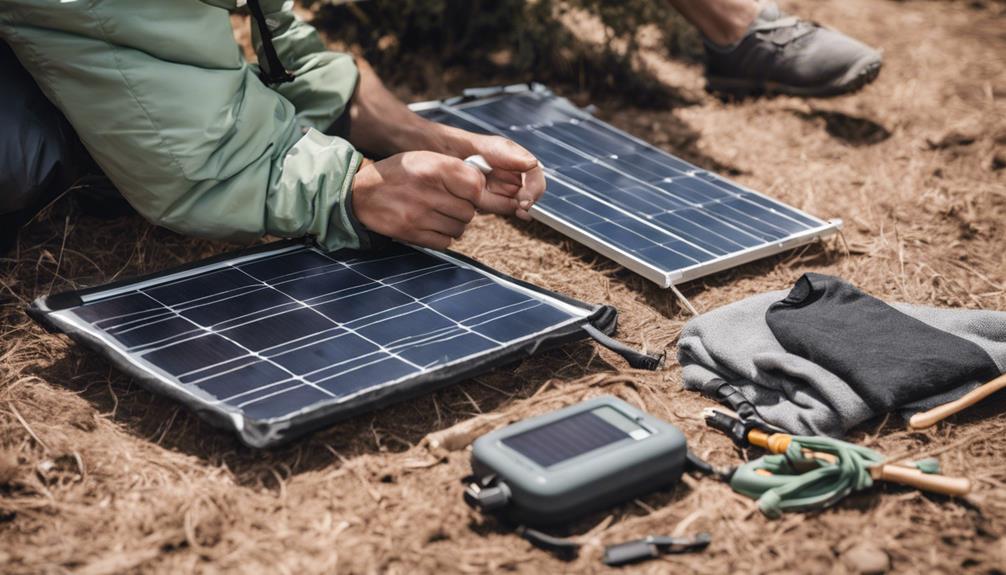
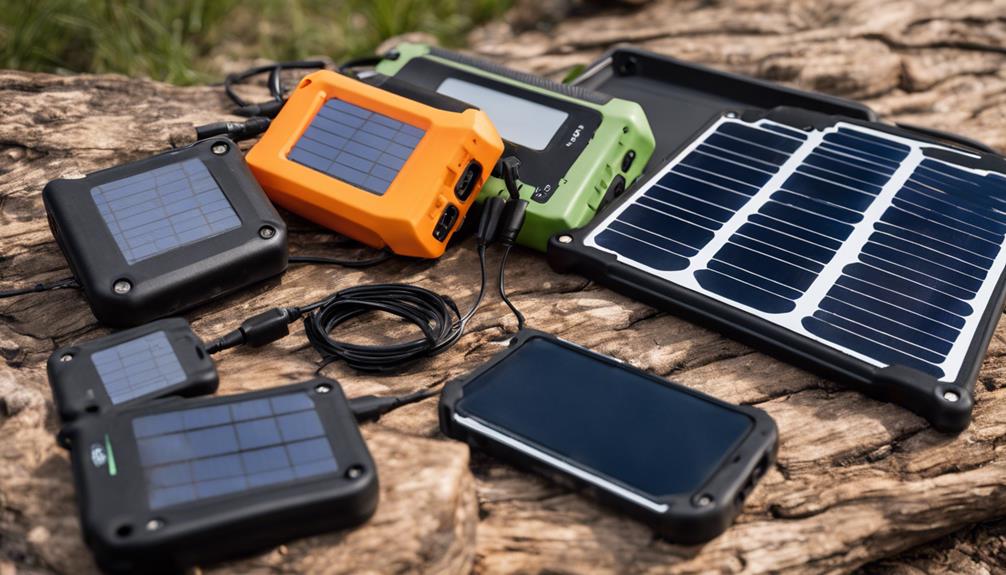
For new home builders or those planning gradual upgrades, starting with a 4kw system plus a modest battery bank is a scalable approach. You can add additional panels or batteries later as needs grow, or as budgets allow, while immediately benefiting from lower daytime consumption and some emergency power capacity. Explore portable solar options when comparing a 4kW solar system to backpacking charging solutions.
Costs, installation and component considerations
Costs vary widely by region, panel quality, inverter type, and whether battery storage is included. A typical rooftop 4kw solar system without storage is generally less expensive than larger systems and has a shorter payback period for households with moderate energy use. Adding a 4 kwh battery increases upfront costs significantly but improves self-consumption and backup capability. Federal, state, or local incentives may defray battery and solar costs, so researching available rebates is important before committing.
When planning installation, consider roof space and orientation. A 4kw array usually requires about 250–350 square feet of quality roof area with minimal shading. Inverter selection matters: hybrid inverters simplify integration with batteries, while AC-coupled systems offer flexibility for retrofits. Also verify whether the installer configures backup circuits to isolate essential loads during outages and whether the battery supports seamless transfer or just limited backup functionality.
Maintenance, lifespan and performance tips
Solar panels require minimal maintenance beyond occasional cleaning and routine inspections to ensure mounting hardware and wiring remain secure. Batteries demand more attention: monitor state of charge, cycle counts, and temperature conditions to maximize lifespan. Lithium-ion batteries commonly used in home solar battery storage typically last 5–15 years depending on depth of discharge and environmental conditions, while some newer chemistries and warranties extend that timeframe.
To optimize a 4kw system with battery storage, prioritize energy efficiency measures first. Reducing consumption through LED lighting, efficient appliances, and smart thermostats lowers the amount of storage you need and improves the effectiveness of a 4 kwh battery. Configure charging and discharging schedules to match time-of-use rates: charge from solar midday and discharge during highest-cost hours. Monitoring apps provided by many systems make it easier to track production, consumption, and battery health.
Choosing the right configuration for your home
Deciding whether a 4kw solar system and a 4 kwh battery are right for you comes down to energy goals, budget, and household usage. If your priorities are lowering daytime electric bills, increasing energy independence modestly, and securing essential circuits during short outages, this configuration can be both affordable and effective. If you need full-home backup or extensive evening usage without grid reliance, consider increasing battery capacity or system size.
Consult with reputable local installers who can model expected output based on your location, roof characteristics, and consumption profile. A professional assessment will show realistic production numbers, payback estimates, and the most cost-effective battery size to pair with a 4kw solar array.
In summary, a 4kw solar system paired with a thoughtfully chosen home solar battery storage solution — whether a compact 4 kwh battery for basic backup or a larger bank for extended autonomy — offers a practical pathway toward lower energy bills and increased resilience. With careful planning around household loads, incentives, and installation specifics, homeowners can achieve meaningful benefits from this popular entry-level solar configuration.