Hybrid solar systems are changing how homes and businesses manage energy, combining the best features of grid-tied and off-grid installations. This article explores practical solar system application strategies within the hybrid systems cluster, showing how a hybrid approach delivers reliability, cost savings, and flexibility. Whether you’re evaluating a solar application for your house, a commercial property, or a remote site, understanding the components, use cases, and long-term benefits will help you choose the right solution. Explore hybrid solar integration to extend your solar system application across storage and grid-tied scenarios.
What is a hybrid solar system?
A hybrid solar system integrates photovoltaic panels with battery storage and grid connectivity, allowing energy to flow between these elements depending on demand and availability. Unlike a purely grid-tied system that exports excess energy to the grid, or an off-grid setup that relies solely on batteries and generators, a hybrid configuration gives you the freedom to store surplus power, draw from the grid when necessary, and use stored energy during outages. This type of solar system application is ideal for users who want both resilience and efficiency.
Common practical use cases for hybrid solar systems
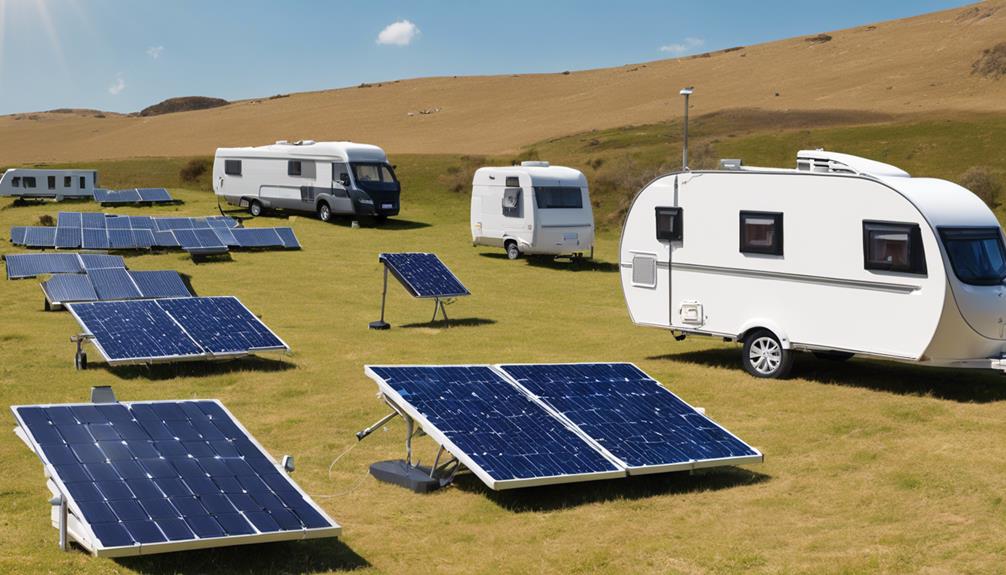
Hybrid systems are versatile and suit a variety of real-world scenarios. In residential settings, a hybrid solar application can reduce electricity bills by maximizing self-consumption of solar energy and providing backup power during blackouts. For small businesses and retail stores, hybrid installations protect critical loads like refrigeration and point-of-sale systems, ensuring continuity during interruptions. Rural clinics, schools, and telecom towers benefit from hybrid setups because they combine the dependability of batteries with the potential to recharge from the grid or solar during low-sun periods. Large properties with fluctuating demand also use hybrid systems to shift consumption away from peak grid pricing, making operations more predictable and cost-effective.
Designing a hybrid system: components and considerations
Designing an effective hybrid solar system starts with a clear assessment of energy needs, site constraints, and budget. Key components include photovoltaic panels, an inverter or hybrid inverter, batteries, a battery management system, and often an energy management controller. Each piece plays a role in delivering the expected performance and longevity.
Solar panels and mounting
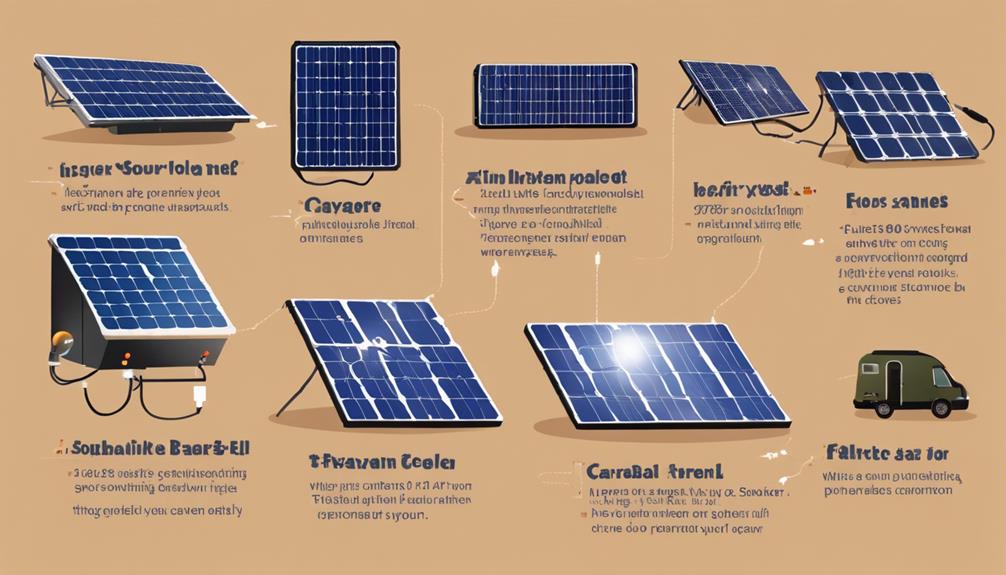
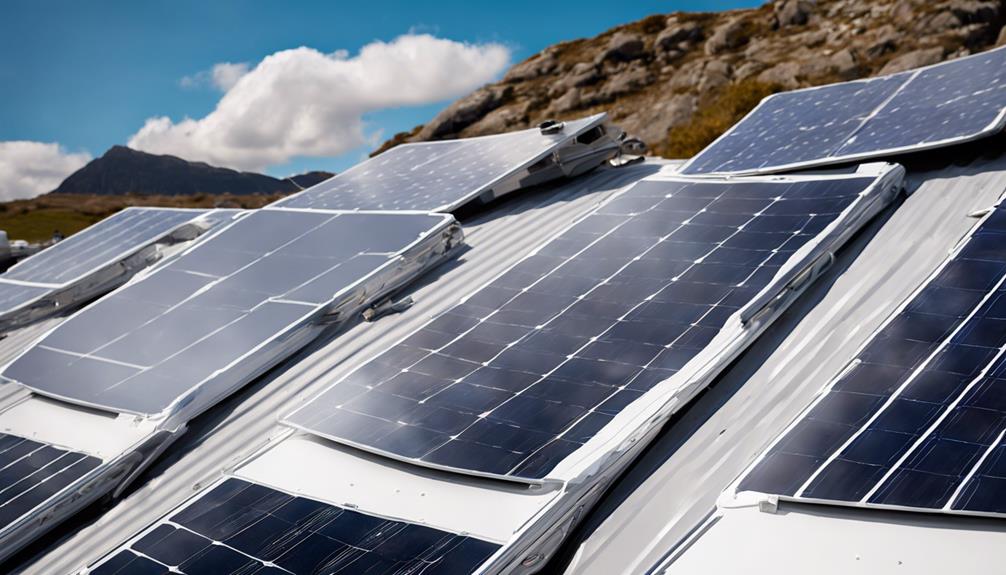
Panel selection depends on roof orientation, available area, and desired output. Monocrystalline modules typically offer higher efficiency per square meter and are often chosen for space-limited roofs. Proper mounting and tilt optimize the solar application to local conditions, while microinverters or string inverters with optimizers can help mitigate shading issues and improve overall yield.
Inverters, batteries, and controls
The inverter is the heart of the system, converting DC electricity to AC for household use. Hybrid inverters simplify integration by managing both solar generation and battery charging without separate components. Battery chemistry—usually lithium-ion today—determines cycle life and depth of discharge. An intelligent energy management system schedules when to charge or discharge batteries, prioritizing self-consumption, grid export limits, or reserve capacity for outages. For many owners, the solar system application is only as good as the controls behind it. For practical Solar System Application projects, consider how grid tied systems can export excess energy efficiently.
Benefits of hybrid systems compared with traditional installations
Hybrid systems combine the cost-saving potential of solar with the resilience of storage. They reduce peak demand charges, increase self-consumption of solar energy, and provide seamless backup during blackouts, making them particularly attractive in regions with unreliable grids. A hybrid solar application also enables time-of-use optimization—charging batteries when electricity is cheap or abundant and discharging during expensive peak hours—improving return on investment. Additionally, hybrid solutions can defer or eliminate the need for diesel generators in remote or off-grid applications, lowering operational complexity and environmental impact.
Maintenance, cost factors, and incentives
Long-term performance hinges on proper maintenance and smart component selection. Solar panels require periodic cleaning and visual inspections, while inverters and batteries benefit from firmware updates and annual checks. Battery warranties and expected cycle life are critical cost factors when evaluating a hybrid solar system. Initial costs are higher than simple grid-tied systems because of the battery and more sophisticated inverter technology, but incentives such as tax credits, rebates, and time-of-use rate programs can significantly shorten payback periods. When assessing total cost, include not only hardware and installation but also expected energy savings, backup value, and potential incentives that apply to your region.
How to choose the right hybrid solar system for your needs
Choosing the right configuration starts with an energy audit to quantify daily and seasonal consumption patterns. Consider backup requirements—do you need whole-house power during outages or only critical circuits? Evaluate expansion options; modular battery systems allow capacity increases over time as needs evolve. Work with experienced installers who can model different scenarios and show projected savings and resilience benefits. Also, confirm that the chosen system complies with local regulations and is compatible with any future grid or electric vehicle integration plans.
Hybrid solar systems represent a practical and flexible solar system application for households, businesses, and remote operations. By blending solar generation with battery storage and grid interaction, these systems deliver cost savings, reliability, and smarter energy use. Whether your priority is backup power, lowering bills, or reducing carbon footprint, a well-designed hybrid solar application can meet multiple goals while remaining adaptable for future needs.