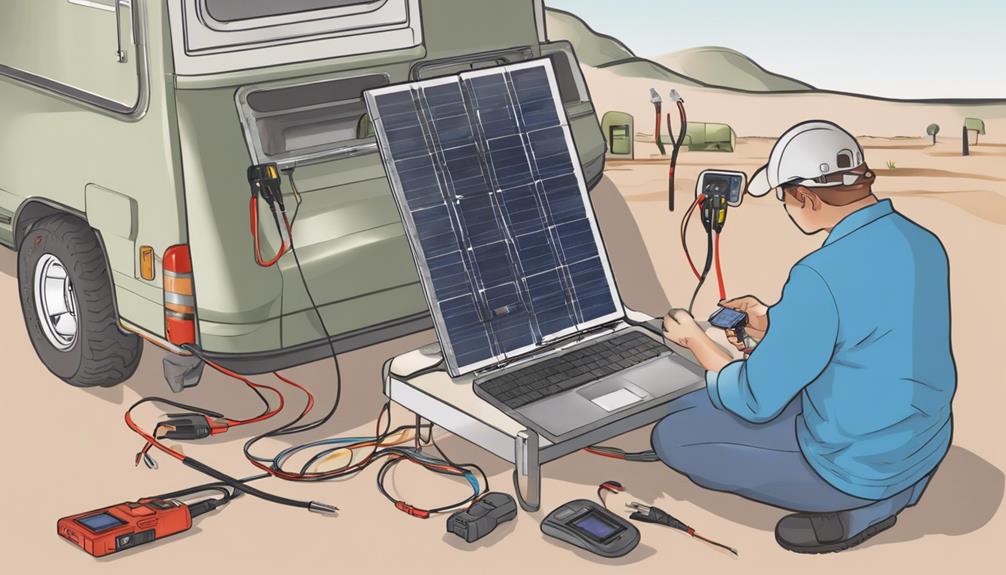
Choosing the best off grid power source is a critical decision for households, farms, remote cabins, and businesses that want reliable electricity without depending on the utility grid. As off grid energy options expand, solar-based systems have become increasingly viable, but the ideal choice depends on your location, energy needs, and long-term goals. This article compares the leading off grid power sources, explains how they integrate, and offers practical guidance for planning an off grid solar systems setup that fits real-world use cases. For long-term independence, consider off grid solar setups as a reliable primary power source for remote homes.
Why choosing the right off grid power source matters
Moving off the grid is more than a lifestyle change; it’s a technical and financial commitment. The best off grid power source not only provides consistent electricity but also minimizes maintenance, matches seasonal variations, and scales with future needs. Poorly matched systems can lead to frequent outages, high fuel costs, or premature equipment failure. Understanding the tradeoffs between generation, storage, and backup systems helps you design a resilient off grid energy solution that supports heating, refrigeration, communications, and home security without surprises.
Solar photovoltaic systems: the leading off grid power source
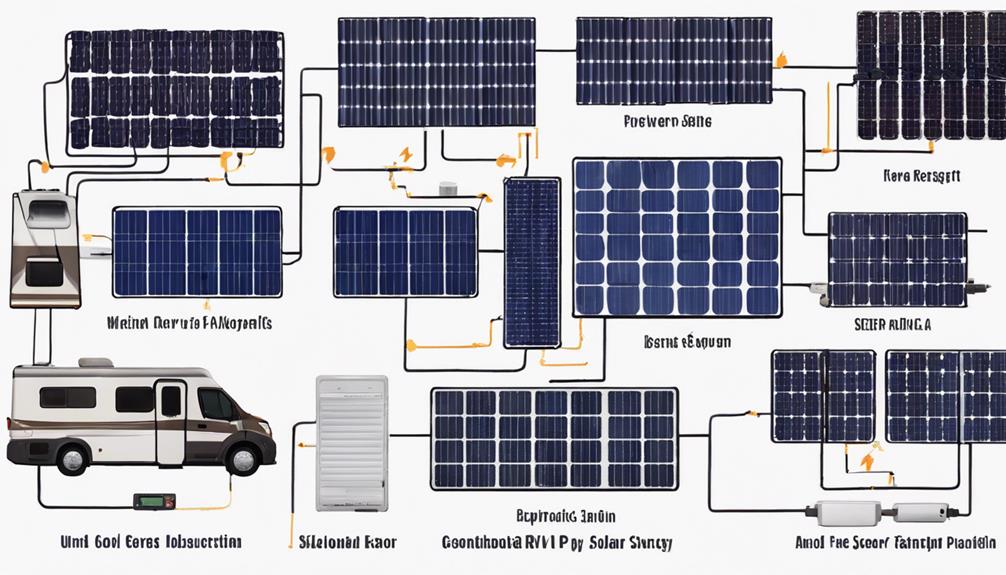
For most residential and small commercial applications, solar photovoltaic panels paired with battery storage represent the best off grid power source. Solar panels convert sunlight into electricity with minimal moving parts, low maintenance, and rapidly declining costs per watt. In many locations, an off grid solar systems configuration provides the majority of energy during daylight hours, while modern lithium-ion and other advanced batteries store excess production for night use. Solar is particularly competitive where sunlight is abundant and transport of fuel for generators is impractical.
Advantages and limitations of solar
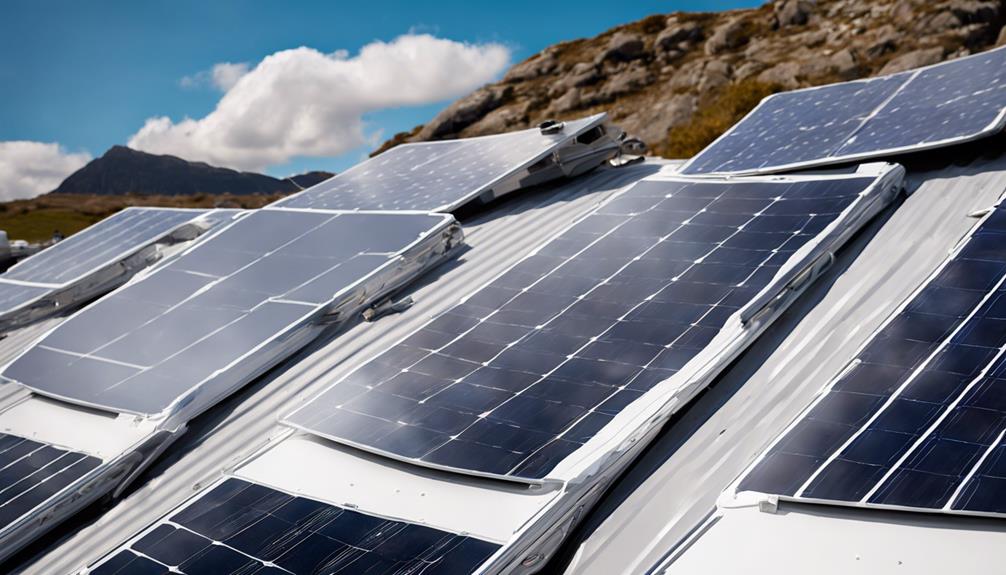
Solar-based off grid energy systems deliver clean, quiet operation and predictable operating costs. Panels can be mounted on roofs, ground arrays, or portable racks for temporary sites. However, solar generation is variable: seasonal and weather-related fluctuations necessitate careful sizing of panels and battery capacity. In high-latitude or heavily shaded environments, solar alone may not be sufficient without larger storage or hybridization with other power sources.
Complementary technologies: batteries, generators, and microgrids
No single technology solves every off grid challenge. Batteries are the essential complement to solar, smoothing short-term variability and enabling nighttime operation. Lead-acid batteries remain a cost-effective option for some users, but lithium-ion batteries generally offer longer life, higher usable depth of discharge, and better performance in harsh conditions. For users who need continuous, high-power loads or who experience long periods of low solar generation, a generator powered by diesel, propane, or natural gas can provide backup. Hybrid inverters and control systems that intelligently switch between solar, battery, and generator inputs help maximize efficiency and reliability.
Design considerations for hybrid systems
Effective hybrid off grid energy systems require control systems that prioritize renewable input and manage battery state-of-charge to prolong battery life. Automatic start-stop logic for backup generators prevents unnecessary runtime, reducing fuel consumption and maintenance. For communities or clusters of buildings, microgrid architectures that combine distributed solar arrays, community-scale storage, and shared backup resources can lower costs and improve resilience compared with independent installations.
Sizing and planning an off grid energy system
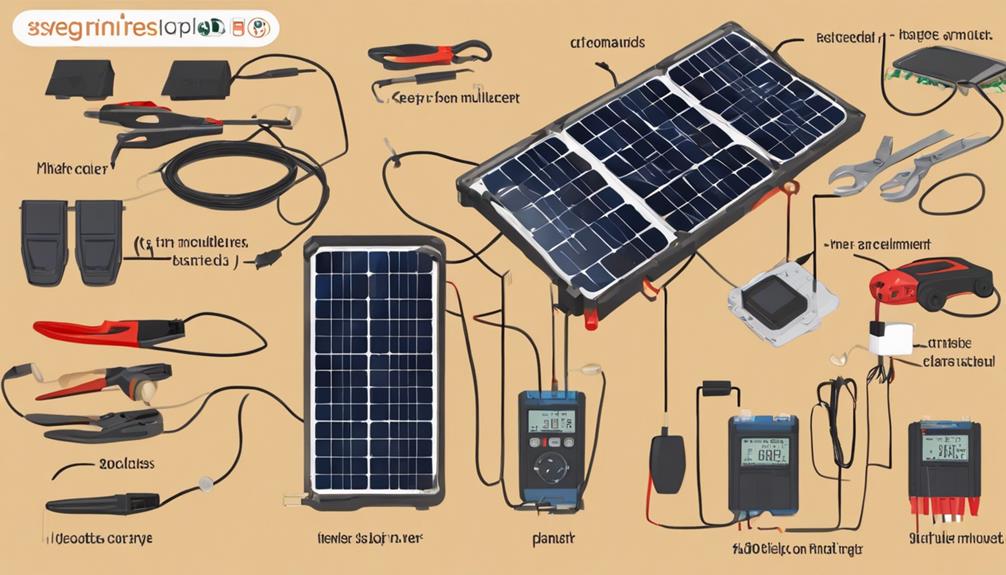
Determining the best off grid power source starts with a detailed energy audit. Record typical daily and peak loads for lighting, refrigeration, water pumping, heating, and electronics. Estimate seasonal variations, such as higher winter heating needs or summer irrigation demands. With this data, you can size a solar array to meet average daily consumption and select battery capacity to cover desired autonomy days during low-sun periods. Factor in inverter sizing for peak loads and include margin for future expansion. Professional site assessments that include solar resource analysis and shading studies are invaluable for avoiding undersized or overpriced systems. Assessing the best off grid power source requires checking realistic off grid solar costs and battery sizing.
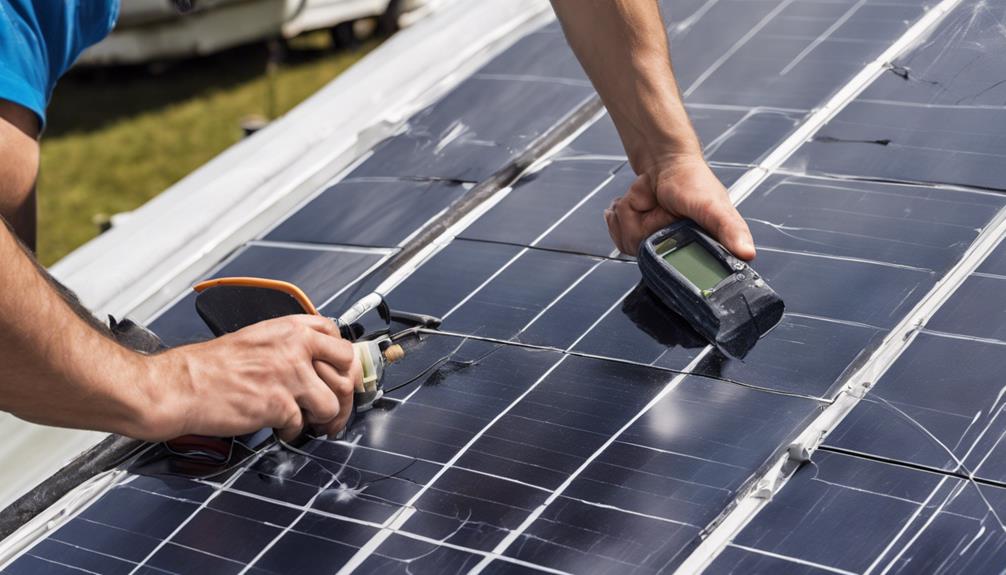
Permitting, local regulations, and planning for maintenance should also be part of early design. Off grid solar systems require secure mounting, proper grounding, and safe battery ventilation if using certain chemistries. Budgeting for periodic battery replacement and routine generator service helps ensure long-term reliability and cost predictability.
Practical use cases and real-world examples
Different applications highlight why the best off grid power source varies. A remote cabin used seasonally can often run entirely on a modest solar array with a small battery bank, prioritizing simplicity and low maintenance. A rural farm with substantial water pumping and refrigeration needs may benefit from a larger solar array combined with a diesel or propane generator to handle peak irrigation times. Off-grid communities and eco-villages frequently adopt community-scale solar farms with central battery storage to spread costs and provide redundancy. Emergency shelters and disaster relief operations value portable solar systems with rapid deployment and paired battery packs for immediate off grid energy provision.
Case studies from isolated research stations and telecommunications towers further illustrate hybrid approaches. In locations with inconsistent sunlight, systems that pair solar during the day, batteries for night loads, and generators for extended cloudy periods prove most reliable. Advances in battery management systems and remote monitoring have made it easier to detect issues early and optimize performance from afar.
When evaluating equipment and vendors, prioritize proven components, warranties, and support networks. Off grid installations are often in remote locations where timely service is harder to obtain, so reliability and local serviceability matter as much as upfront cost.
Choosing the best off grid power source is a balance between renewable generation, storage capacity, backup options, and real-world constraints like climate and budget. Solar-based systems are often the most practical foundation for off grid energy, especially when paired with adequate battery storage and intelligent controls, but hybrid solutions can offer the extra resilience required in challenging environments.