Energy efficient architecture is becoming a central consideration for homeowners, designers, and builders who want comfortable, resilient spaces that reduce ongoing energy costs and environmental impact. Whether you are planning a new home or upgrading an existing property, thoughtful design choices can dramatically lower heating, cooling, and lighting demands while improving indoor comfort. This article explores core principles of energy efficient architecture and energy efficient building design, practical home improvement applications, technologies to consider, and how to approach costs and professionals who can help. Explore how efficient building design principles can inform practical home improvement projects that boost energy efficiency.
Principles of energy efficient architecture
At its core, energy efficient architecture relies on passive design strategies that minimize the need for mechanical heating and cooling. Proper orientation of a building to take advantage of sunlight and prevailing winds is a foundational step. Large, well-shaded windows on the south side (in northern hemisphere climates) can provide winter solar gain while overhangs and deciduous trees limit summer heat. Tight building envelopes, continuous insulation, and careful air sealing reduce heat loss and prevent drafts. These principles work together to create a home that performs predictably across seasons.
Passive strategies and climate responsiveness
Designing for the local climate means selecting passive solutions that inherently reduce energy loads. In cooler climates, maximizing solar exposure and thermal mass can stabilize indoor temperatures. In hot, humid regions, shading, natural ventilation, and reflective roofing reduce cooling needs. Good energy efficient building design integrates these climate-specific strategies from the outset, rather than adding them as afterthoughts.
Materials and technologies for efficient performance
Advances in materials and systems make it easier to reach high levels of efficiency without sacrificing aesthetics. High-performance insulation, triple-pane glazing, and thermally broken frames significantly reduce conductive heat transfer. Continuous air barriers and vapor control manage moisture while preventing thermal bypass. On the mechanical side, heat pump heating and cooling systems have become a versatile option for many homes, offering superior efficiency compared with traditional furnaces and air conditioners. Energy recovery ventilation systems maintain indoor air quality with minimal energy penalty.
Renewables and smart controls
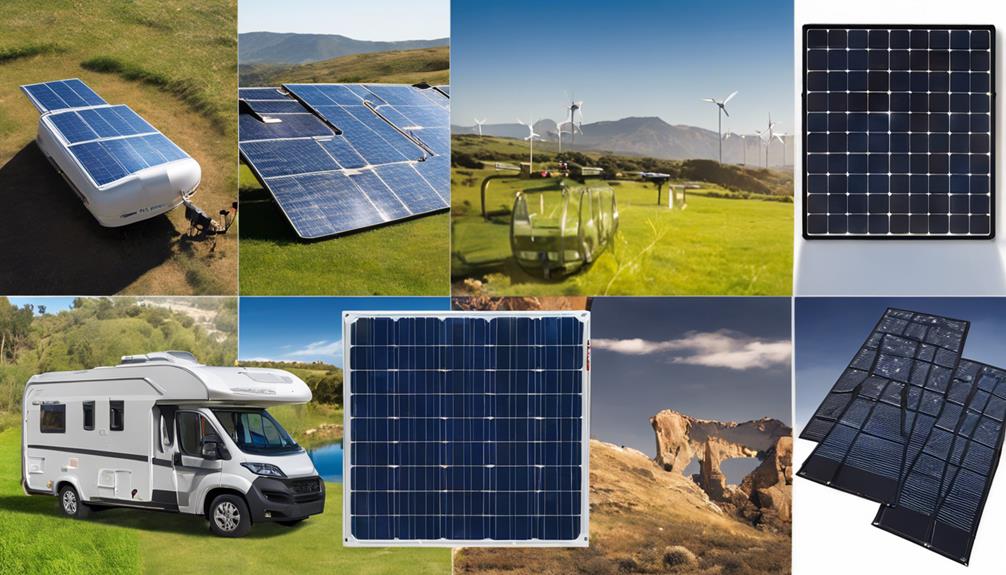
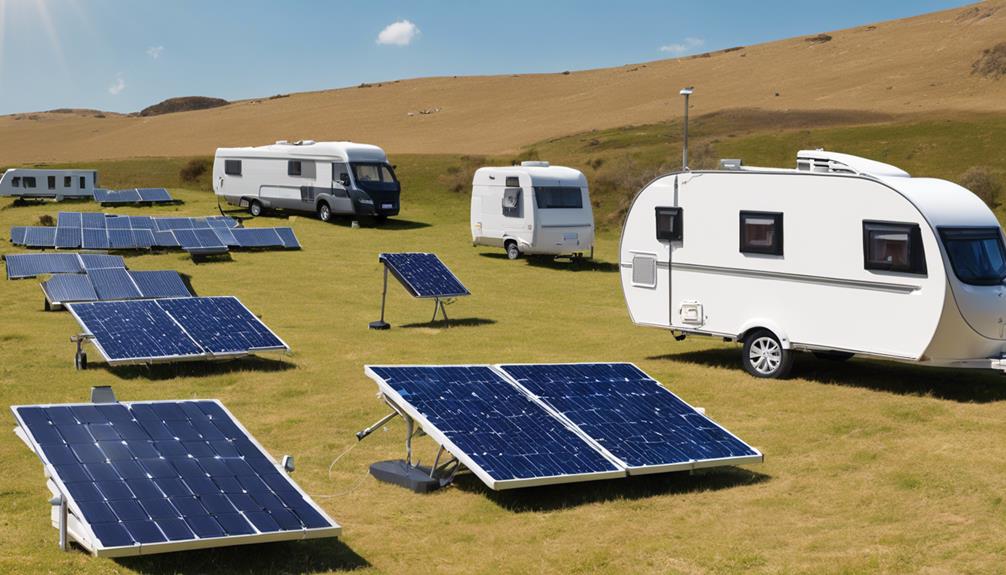
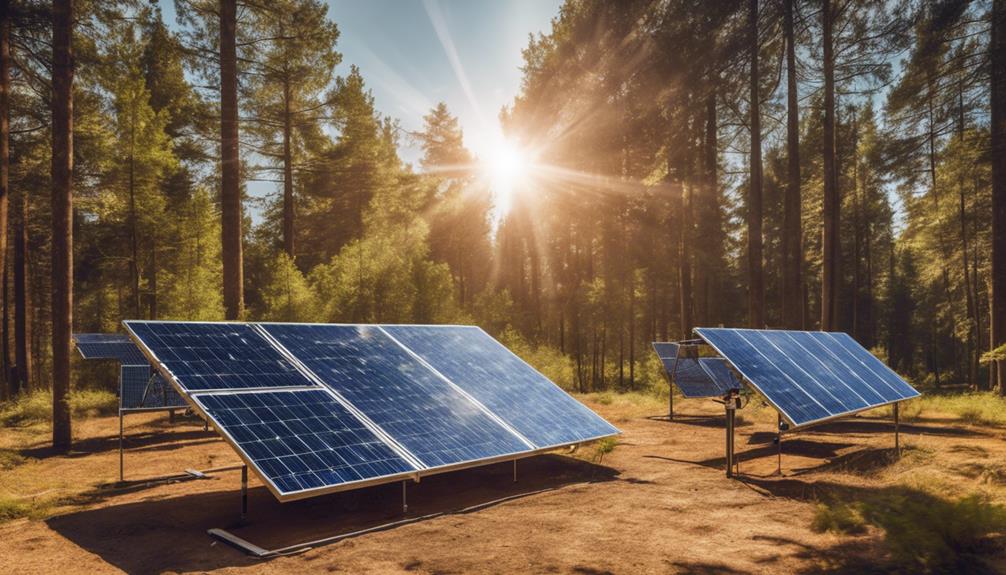
Integrating renewable energy sources such as rooftop solar with battery storage further reduces a home’s reliance on grid electricity. Smart thermostats and zoned control systems refine comfort and cut waste by adjusting temperatures only where and when needed. Together, these technologies support energy efficient building design that is both high-performing and user friendly.
Practical home improvement applications
Homeowners can apply energy efficient architecture principles through targeted improvements that offer strong returns. Improving attic and wall insulation, sealing leaks around windows and doors, and upgrading to energy-efficient windows address the most common sources of heat loss. Replacing an older HVAC system with a modern heat pump or installing a programmable thermostat reduces operational costs. Even modest changes—like adding exterior shading, insulating the basement, or improving ductwork—can noticeably increase comfort and lower bills. Consider modern energy upgrades to make your home's architecture more efficient while achieving contemporary style.
Retrofit strategies for older homes
Older homes often present opportunities for incremental improvements that respect historical character while boosting performance. Insulating from the interior or using blown-in cellulose in cavities can improve thermal performance without altering exterior appearances. Air sealing around chimneys and recessed lights, combined with improved ventilation, can resolve draftiness and moisture concerns. Working with contractors experienced in energy efficient building design helps ensure upgrades are effective and durable.
Costs, incentives, and return on investment
Investing in energy efficient architecture can require higher upfront costs, but many measures pay back over time through lower utility bills and increased property value. Simple upgrades such as insulation and efficient lighting often show rapid payback, while renewable installations may require longer horizons. To make projects more affordable, homeowners should research local incentives, rebates, and financing programs that support energy efficiency home improvement. Many utilities and government programs provide incentives for heat pumps, insulation, and solar installations, helping reduce initial expense.
Working with designers and contractors
Successful energy efficient building design benefits from a collaborative approach between homeowners, architects, and contractors. Early involvement of design professionals ensures passive strategies are integrated and that material choices support long-term performance. Requesting energy models, thermal imaging diagnostics, or blower door testing can quantify expected savings and verify improvements after work is completed. Choose professionals with experience in energy efficiency and sustainable building practices to translate goals into durable results.
Energy efficient architecture is not just a trend; it is a practical path to more comfortable, affordable, and environmentally responsible homes. By applying passive design principles, using appropriate materials and technologies, and prioritizing targeted home improvement projects, homeowners can significantly cut energy use while improving indoor quality. With careful planning and the right professionals, energy efficient building design becomes an achievable part of everyday homeownership that pays dividends for comfort, savings, and resilience.