Choosing the right panel configuration is a key step when planning a residential solar installation. For homeowners and property managers exploring off-grid setups, backup power, or small-scale grid-tied arrays, a 24 volt solar panel approach can offer a practical balance between efficiency and component cost. This article explains how 24v solar panel arrangements work in a residential context, what equipment is required, typical use cases, and tips for optimizing performance and safety.
Why choose a 24 volt solar panel setup for residential use
A 24 volt solar arrangement sits between the common 12 volt systems used for small applications and the 48 volt systems favored for larger residential arrays. For many homes, a 24 volt solar panel configuration reduces current for the same power output compared with 12 volt systems, which means smaller gauge wiring, lower I2R losses, and often lower component costs. This makes 24 volt solar panels attractive for medium-sized battery banks powering appliances, lighting, and HVAC supplements in cabins, accessory dwelling units, and whole-home backup systems.
How 24v solar panels are configured and installed
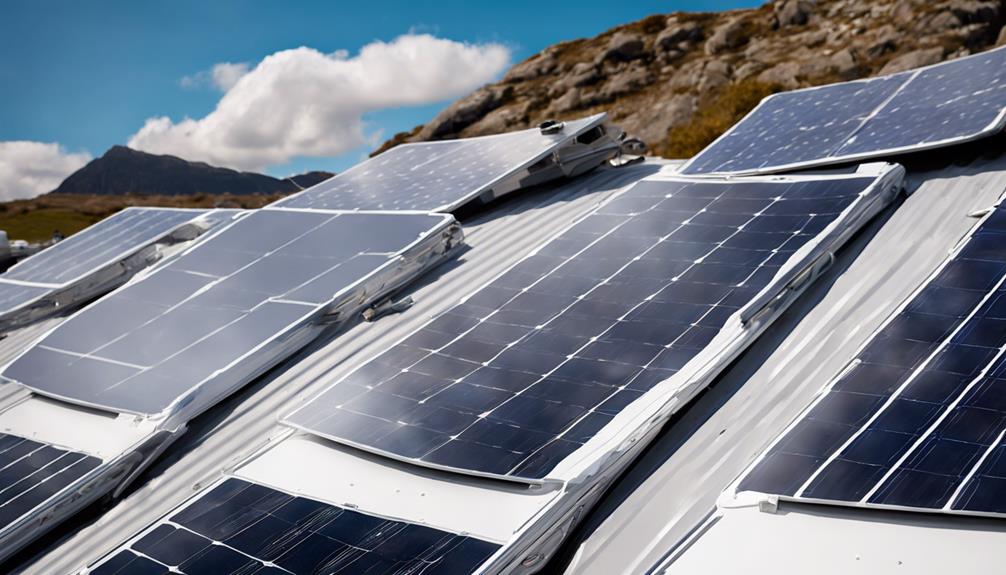
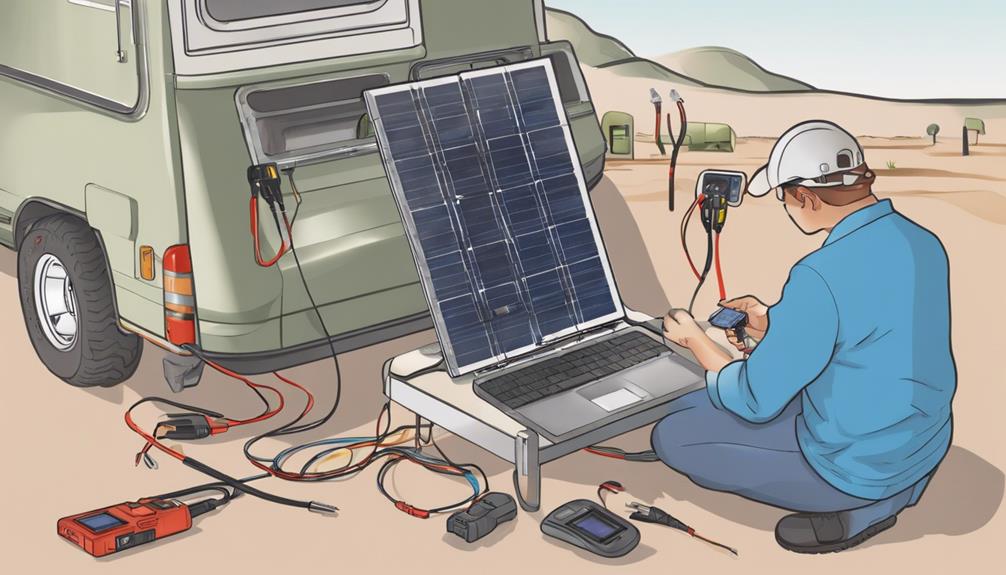
There are two ways to achieve a 24 volt nominal array: use panels rated for 24 volt systems, or wire two 12 volt nominal panels in series. Panels marketed as 24 volt solar panels typically have an open circuit voltage and maximum power voltage suited to charge a 24 volt battery bank through an appropriate charge controller. When wiring panels, proper series and parallel combinations are essential to match the voltage of the battery bank and the input requirements of the charge controller and inverter. Roof orientation, tilt, and shading are critical during installation; even a small shaded area can dramatically reduce output. Mounting systems should be rated for local wind and snow loads, and all electrical work must follow local code and, where required, be performed by a licensed electrician.
Battery, charge controller, and inverter considerations for a 24 volt solar system
The heart of a 24 volt solar system is the battery bank. A 24 volt battery bank is typically made by connecting two 12 volt batteries in series or by using purpose-built 24 volt batteries. Lithium and AGM lead-acid chemistries are common choices; lithium offers higher usable capacity and longer cycle life but at a higher upfront cost. Choosing the right charge controller is equally important: MPPT controllers are recommended because they harvest more energy under varied light and temperature conditions and can handle higher array voltages, improving overall system efficiency. Inverter sizing should match peak load demands with headroom for startup currents from motors and compressors. For grid-tied hybrid systems, select an inverter that can integrate the 24 volt battery bank and comply with utility interconnection standards.
Typical residential use cases for 24 volt solar panels
There are several practical residential scenarios where 24 volt solar panels shine. Off-grid homes and remote cabins often adopt 24 volt systems because they support larger battery banks and heavier loads without the complexity of high-voltage systems. Homeowners seeking a dedicated backup circuit for critical loads like refrigerators, medical equipment, or communication gear can design a compact 24 volt solar system sized specifically for those needs. Recreational applications such as RVs, tiny homes, and boat installations also benefit from 24 volt solar panels, offering more efficient charging and reduced wiring losses compared with 12 volt setups. In some grid-connected residences, 24 volt battery systems are used as part of a hybrid approach to provide energy storage for time-of-use savings and outage resilience.
Performance, efficiency, and maintenance tips
To maximize the life and energy production of your 24 volt solar panel installation, start with high-quality panels that have a favorable temperature coefficient and warranty. Keep panels clean and free of debris, and inspect the array for loose connections, corrosion, or physical damage at least twice a year. Battery maintenance depends on chemistry: flooded lead-acid batteries require periodic watering and equalization, while sealed lead-acid and lithium batteries need less routine attention but should still be monitored for voltage and temperature. Using an MPPT charge controller will improve yield, especially in colder or partially shaded conditions, and implementing a battery management system is advisable with lithium banks to prevent overcharge and deep discharge. Safety practices such as proper fusing, correct wire sizing, and using disconnects help protect the system from faults and facilitate maintenance.
Costs and scalability for homeowners
Initial costs for a 24 volt solar system vary depending on panel quality, battery capacity, and inverter technology. While a 24 volt solar setup can be less expensive than higher-voltage systems for moderate loads, homeowners should evaluate long-term needs: if you anticipate expanding to larger energy storage or integrating significant loads, a 48 volt architecture may be more future-proof. Modular design allows many residential systems to start with a 24 volt bank and later be reconfigured or expanded. Incentives, rebates, and net metering policies in your area can significantly affect payback timelines, so factor those into your decision alongside installation and maintenance costs.
Choosing a 24v solar panel arrangement can be an efficient and cost-effective option for many residential applications, from off-grid cabins to whole-home backup systems. By understanding system configuration, selecting the right batteries and charge controllers, and following best practices for installation and maintenance, homeowners can create a reliable 24 volt solar system that meets their energy needs while minimizing losses and long-term costs. Careful planning and professional advice will ensure the system is safe, code-compliant, and optimized for your specific use case.