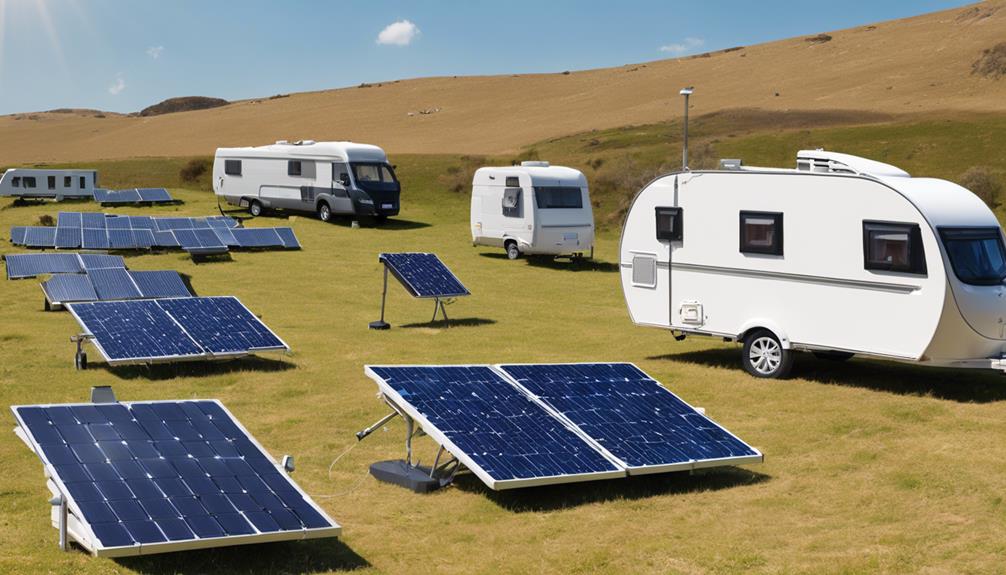
For homeowners considering energy independence and resilience, a large battery pack can transform a rooftop solar array into a dependable, round-the-clock power system. Whether you call it a big battery bank, a huge battery pack, or a big portable battery for temporary needs, these energy storage solutions allow you to store surplus solar generation, ride out grid outages, and reduce peak electricity costs. This article explains how large battery packs fit into home solar battery storage, how to choose and size one, practical use cases, and what to expect for installation and maintenance.
What a large battery pack does for home solar battery storage
A large battery pack stores the electricity your solar panels produce during the day so you can use it later when the sun goes down or during a power interruption. Unlike a small power bank for power outage emergencies that might run a few devices for hours, a big battery bank is designed to supply whole-house or partial-house loads for multiple hours or even days, depending on capacity. Integrating a large battery pack with a home solar system creates a self-managed energy ecosystem that optimizes solar generation, supports load shifting, and improves home security by preventing blackouts from affecting critical systems like refrigeration, communications, and medical equipment.
Key features to consider when choosing a big battery pack
Choosing the right big battery pack requires evaluating capacity, chemistry, power output, and compatibility with your existing solar inverter or a hybrid inverter system. Capacity is measured in kilowatt-hours and determines how long the battery will run at a given load. Chemistry matters for lifespan and safety: lithium iron phosphate batteries are common in residential storage because they offer long cycle life and thermal stability. Power output, measured in kilowatts, indicates whether the battery can handle starting motors or running multiple appliances simultaneously. If you want a big battery pack that can serve as a big portable battery for work sites or occasional transport, look for units that include integrated inverters, wheels, or handles and are rated for the loads you plan to run.
Integration and installation with home solar systems
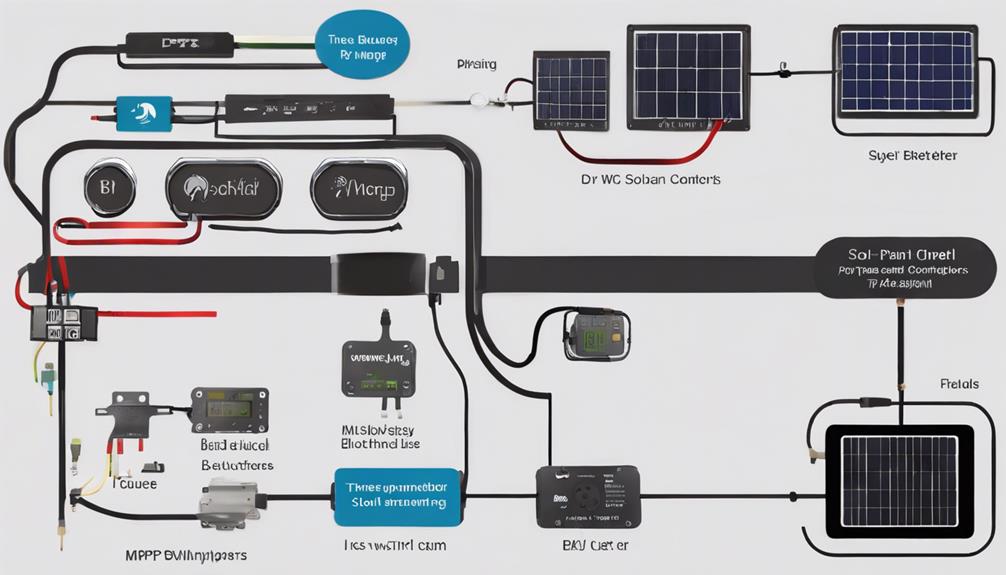
Integrating a huge battery with your home solar installation can be straightforward or complex depending on the system architecture. AC-coupled solutions connect battery inverters to the home’s electrical panel and can be easier to retrofit, while DC-coupled systems tie the battery directly to the solar inverter for increased efficiency under some conditions. A hybrid inverter design streamlines these connections and often provides seamless islanding capability so the house stays powered during an outage. Proper installation involves site assessment, load analysis, and permitting. Professional installers will ensure compliance with local electrical codes and grid-tie requirements and will configure settings like charge rates, depth of discharge limits, and backup transfer priorities to meet your household needs.
Practical use cases for a big battery bank or huge battery
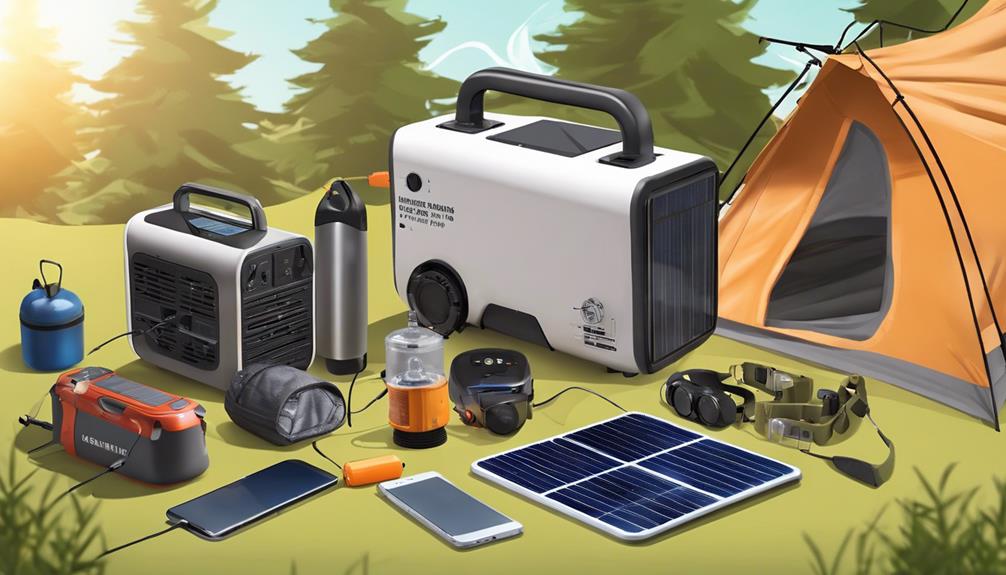
Large battery packs serve multiple practical purposes across different household scenarios. For areas with frequent outages, a big battery bank configured for backup can automatically power essential circuits and provide peace of mind. For households aiming to lower utility bills, the battery can perform time-of-use optimization by charging from solar or the grid during low-price periods and discharging during peak rates. Off-grid homeowners rely on huge battery packs to smooth generation variability and store energy for nights or cloudy days. Those who drive electric vehicles can pair home battery storage with vehicle charging to minimize demand charges or use vehicle-to-home capabilities for additional flexibility. Even when used as a portable solution, a big portable battery can support outdoor events or temporary construction power needs without relying on a generator.
Sizing, costs, and long-term maintenance
Sizing a large battery pack starts with understanding your household energy consumption and critical loads you want to back up. A typical whole-home backup might require 10 to 20 kilowatt-hours or more, while backup of selected circuits can be achieved with smaller capacities. Costs vary by capacity, chemistry, and features; larger systems with advanced inverters and monitoring can represent significant investments but tend to offer favorable economics when combined with incentives, net metering, or time-of-use savings. Maintenance for modern battery systems is relatively low: periodic inspections of connections, monitoring software for performance, and ensuring adequate ventilation and ambient temperature ranges help extend the life of a huge battery pack. Warranties and cycle life ratings are important indicators of long-term value, and choosing a reputable installer can prevent costly mistakes during setup.
Safety and environmental considerations
Safety is a critical factor when installing a large battery pack. Modern residential batteries use management systems that prevent overcharge, deep discharge, and thermal runaway, but proper installation, ventilation, and adherence to manufacturer guidelines are essential. Dispose of or recycle battery modules according to local regulations to minimize environmental impact. The move to large-scale home battery storage also reduces dependence on fossil-fuel backup generators, lowering greenhouse gas emissions over the system’s life. When evaluating a huge battery pack, consider certifications, recycling programs, and the manufacturer’s transparency about materials and end-of-life handling.
Large battery packs are central components of modern home solar battery storage strategies. They provide resilience against outages, offer financial benefits through energy shifting, and support a more sustainable household energy footprint. By carefully assessing capacity needs, chemistry, integration options, and safety requirements, homeowners can select a big battery pack or big battery bank that aligns with their goals—whether that means whole-house backup, cost savings, or a portable solution for temporary power demands. As battery technology continues to improve, these systems are becoming increasingly accessible and practical for a wide range of residential applications.