Choosing the right solar setup for a home means matching system voltage, inverter type, and intended use. A 110V solar panel system offers a familiar voltage level for many residential devices and small circuits, making it a practical option for homeowners who want straightforward integration with existing appliances, recreational vehicles, or dedicated circuits. This article explains what a 110 volt solar panel installation involves, how it differs from typical 120V household systems, practical use cases, and key installation and safety considerations for residential solar panels.
Understanding a 110V solar panel system and how it compares to 120V
When people refer to a 110V solar panel system, they are often referencing the common single-phase AC output compatible with typical home outlets. In modern North American homes the nominal voltage is usually 120 volts, and many systems are described as 110/120 volt interchangeably. The core component that determines whether your solar array provides usable 110V or 120V power is the inverter. A grid-tied inverter converts DC from the panels into AC at standard household voltage and frequency. For small residential installs or plug-and-play setups, manufacturers sometimes market solutions as 110v or 120v solar panel options, but the practical outcome for powering appliances is essentially the same: a standard AC waveform a homeowner can use for lighting, small appliances, and electronics.
Typical components and the role of the inverter
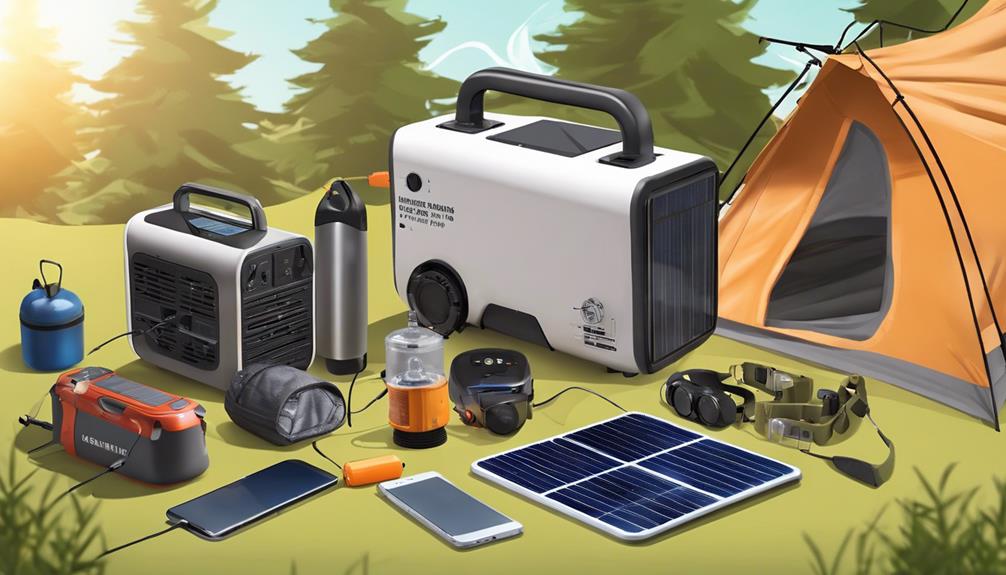
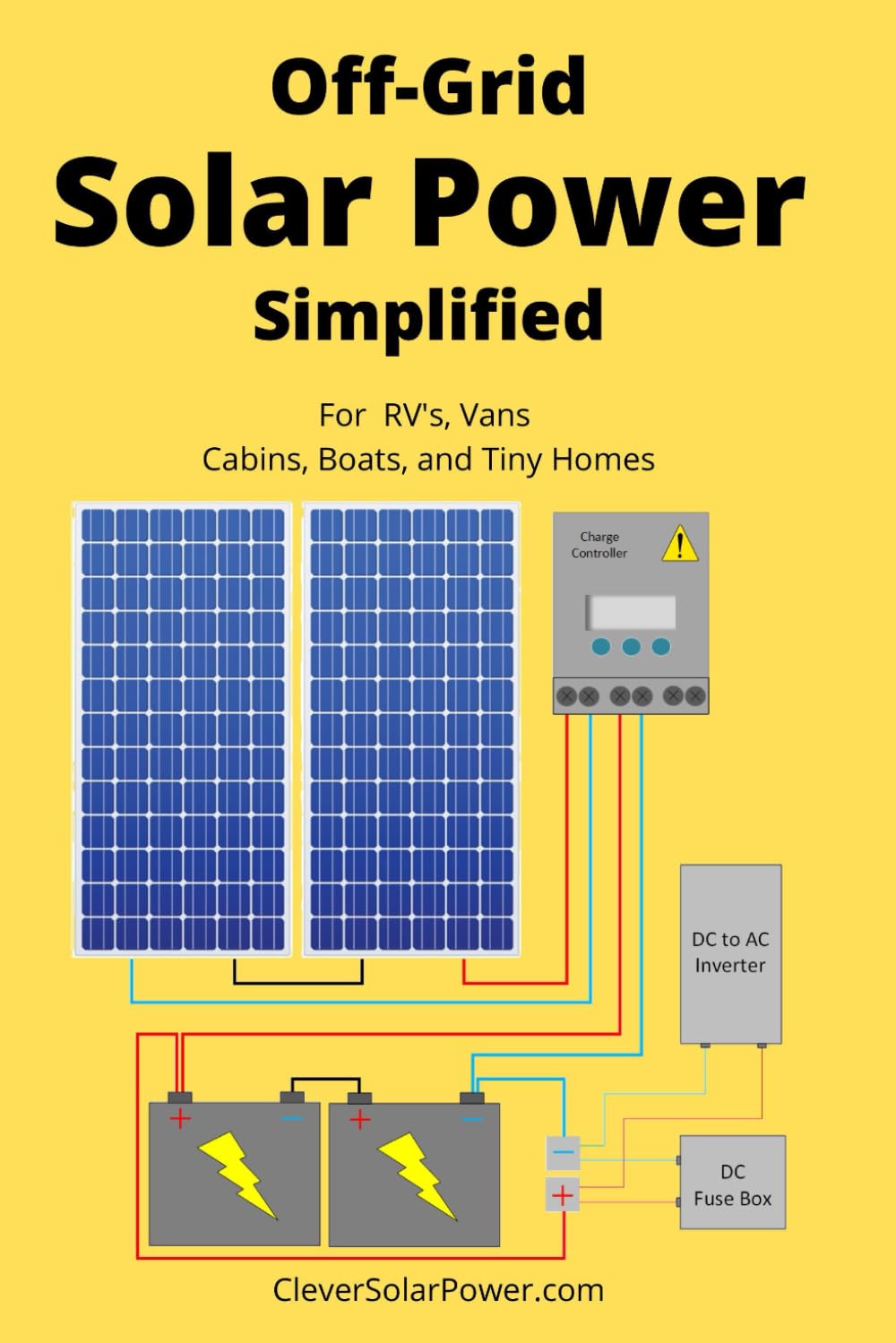
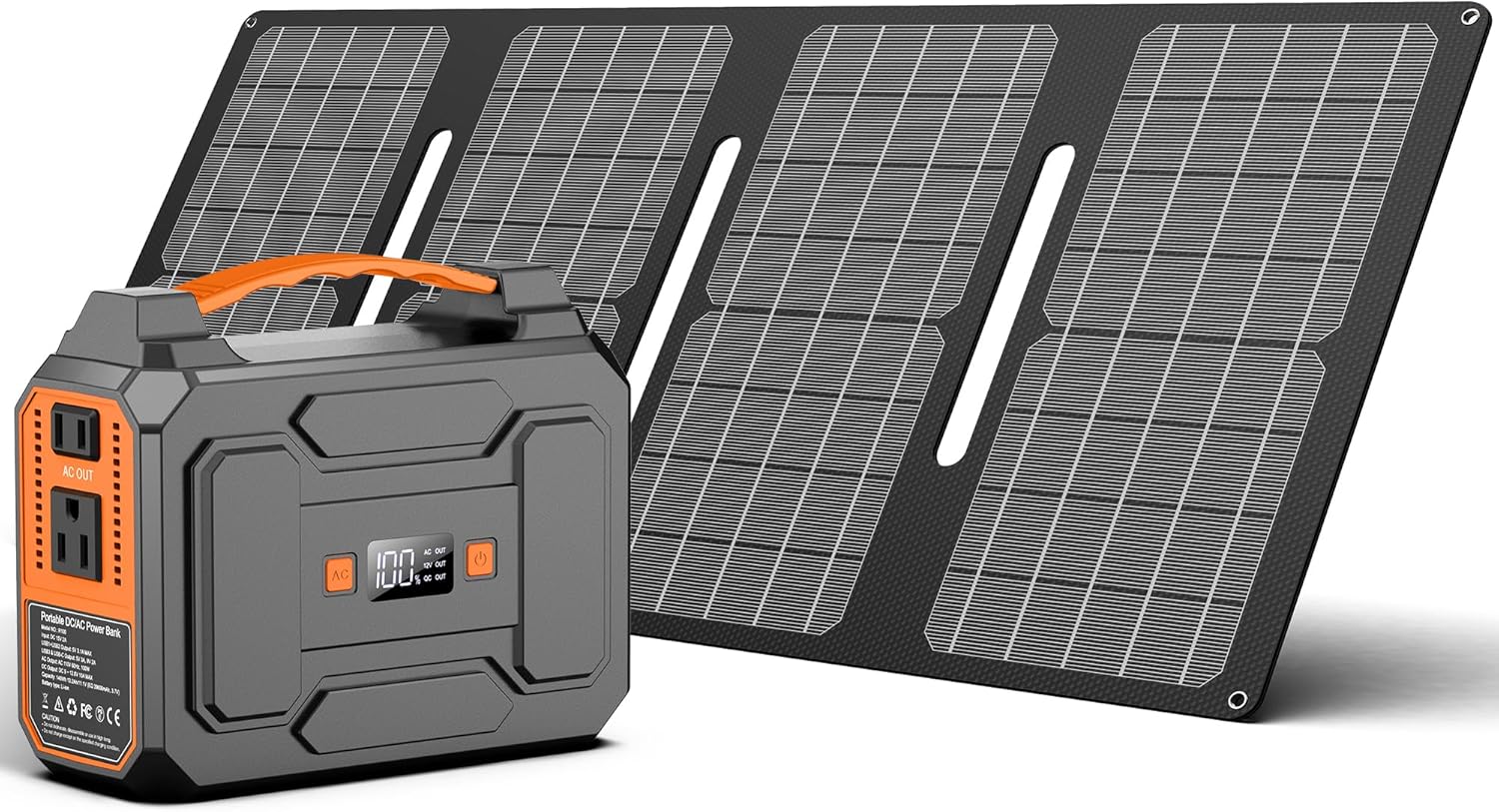
A complete 110v solar panel system consists of solar panels, a charge controller if batteries are used, batteries for storage when off-grid or for backup, and an inverter that provides 110 or 120 volts AC. Panels produce DC current and come in a variety of wattages; the inverter size and type determine what AC loads you can support. For example, a small 1,000 watt inverter can run lights, a laptop, and a few small appliances, while a larger 3,000 to 5,000 watt inverter is needed for major appliances like refrigerators or window air conditioners. There are also specialized kits called solar panel 110v outlet kit that provide an integrated inverter and outlet so you can power devices directly from the system. These kits are convenient for shed workshops, RVs, or temporary power, but for permanent residential installations you should use certified equipment sized correctly and installed according to code.
Practical residential use cases for a 110 volt solar panel setup
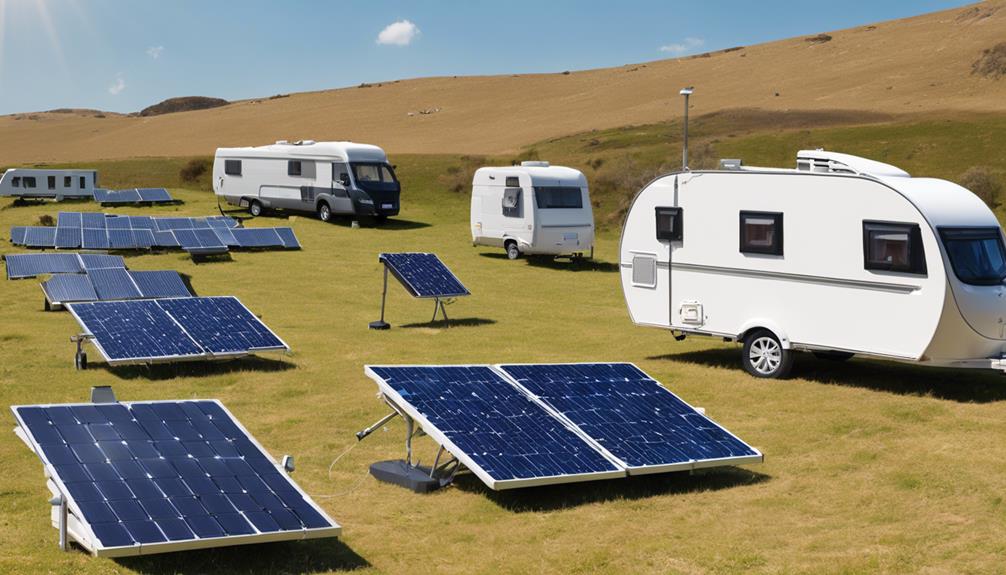
Homeowners choose a 110V solar panel configuration for several practical reasons. First, as a backup power source a 110 volt solar system can power critical circuits during outages—lighting, communication devices, sump pumps, and refrigerators—when paired with a transfer switch to isolate from the grid. Second, for outdoor or detached spaces such as workshops, garages, or guest cottages, a system designed to output 110V makes it easy to run standard tools and appliances without rewiring. Third, recreational applications like RV camping or boat use benefit from portable 110v or 120v solar panel setups that supply AC power through standard outlets. Finally, small off-grid homes and cabins often use a 110 volt solar approach because it balances equipment availability with simpler wiring needs compared with three-phase or higher-voltage systems.
Installation, permitting, and safety considerations
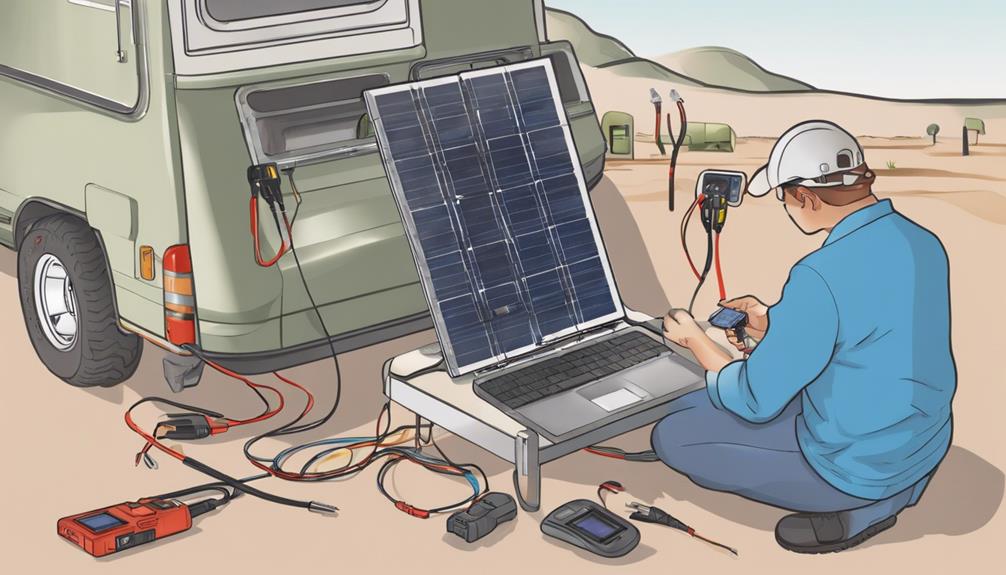
Despite the relative simplicity of a 110v solar panel system, proper installation is critical. A common mistake is attempting to plug a solar inverter directly into a household outlet; this is unsafe and typically violates electrical codes because it can back-feed the grid and endanger utility workers. Grid-interactive systems require a certified grid-tie inverter with anti-islanding protection and a proper disconnect that meets local utility requirements. If the system is intended as backup power, a transfer switch or a subpanel dedicated to backup loads is essential. Permits, inspections, and interconnection agreements are often required for residential solar panels, so consult your local building department and utility company before starting. Hiring an experienced, licensed electrician or a certified solar installer ensures the installation complies with the National Electrical Code and local regulations.
Sizing, maintenance, and cost considerations for homeowners
Sizing a 110 volt solar panel system begins with estimating your energy needs in watt-hours per day. Small systems designed to power a few outlets and lights may only need 500 to 1,500 watts of panels, while whole-house backup or hybrid setups require much larger arrays and battery capacity. Consider inverter efficiency, battery round-trip losses, and seasonal variations in sunlight when planning capacity. Maintenance is generally low: keep panels clean, check mounting hardware, and inspect wiring and inverter status periodically. Costs vary widely based on equipment quality, battery inclusion, and whether professional installation is used. Portable 110v kits tend to be lower cost and easier for DIYers, while permanent residential installations with batteries and grid integration carry higher upfront costs but deliver greater reliability and long-term savings on electricity bills.
In summary, a 110v solar panel system is a practical and flexible option within the residential solar panels category for homeowners seeking backup power, workshop electrification, or portable AC power solutions. Whether you choose a compact solar panel 110v outlet kit for occasional use or a full inverter-and-battery backup system for critical loads, prioritize certified equipment, professional installation, and proper permitting to ensure safety and compliance. With the right design and installation, a 110 volt solar panel installation can be a dependable part of a modern home energy strategy.