As energy costs rise and homeowners look for smarter, greener options, the idea of a Tesla home has moved from niche to mainstream. Combining rooftop solar, battery storage, intelligent energy management, and home automation, a Tesla-powered home aims to reduce utility bills, increase resilience during outages, and move toward net zero performance. This article explores what a Tesla home entails, how it supports energy efficiency and home improvement goals, and practical considerations for homeowners thinking about upgrading their residences.
What is a Tesla Home?
A Tesla home typically refers to a residence that integrates Tesla energy products—most commonly solar panels, the Tesla Solar Roof, and the Powerwall battery—with home energy management systems and sometimes vehicle-to-home capabilities with Tesla electric vehicles. While the term can be used broadly to describe any home benefiting from Tesla technology, it also encompasses a vision of the future home where generation, storage, and intelligent use of electricity are coordinated to minimize waste and cost.
Key components of a Tesla-powered home
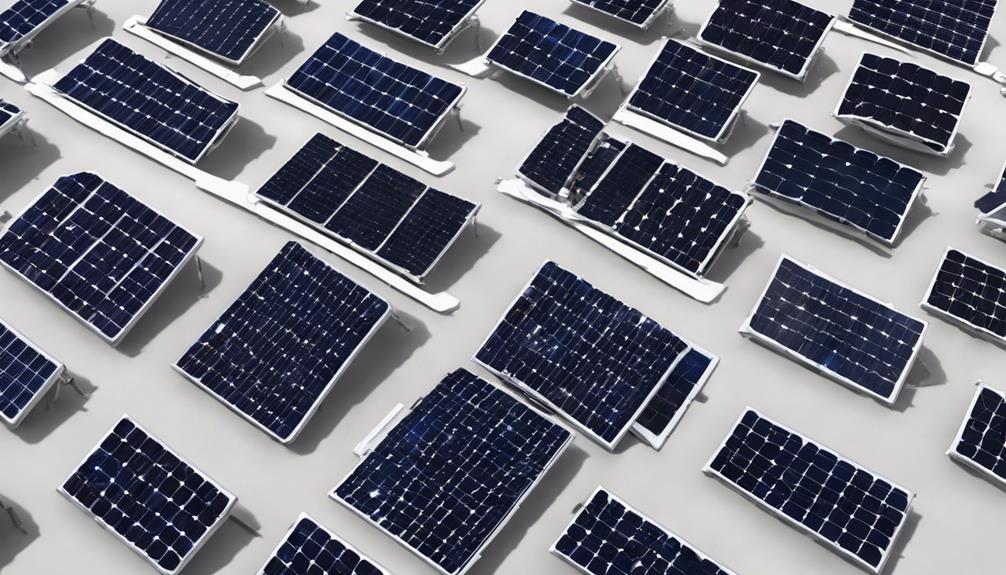
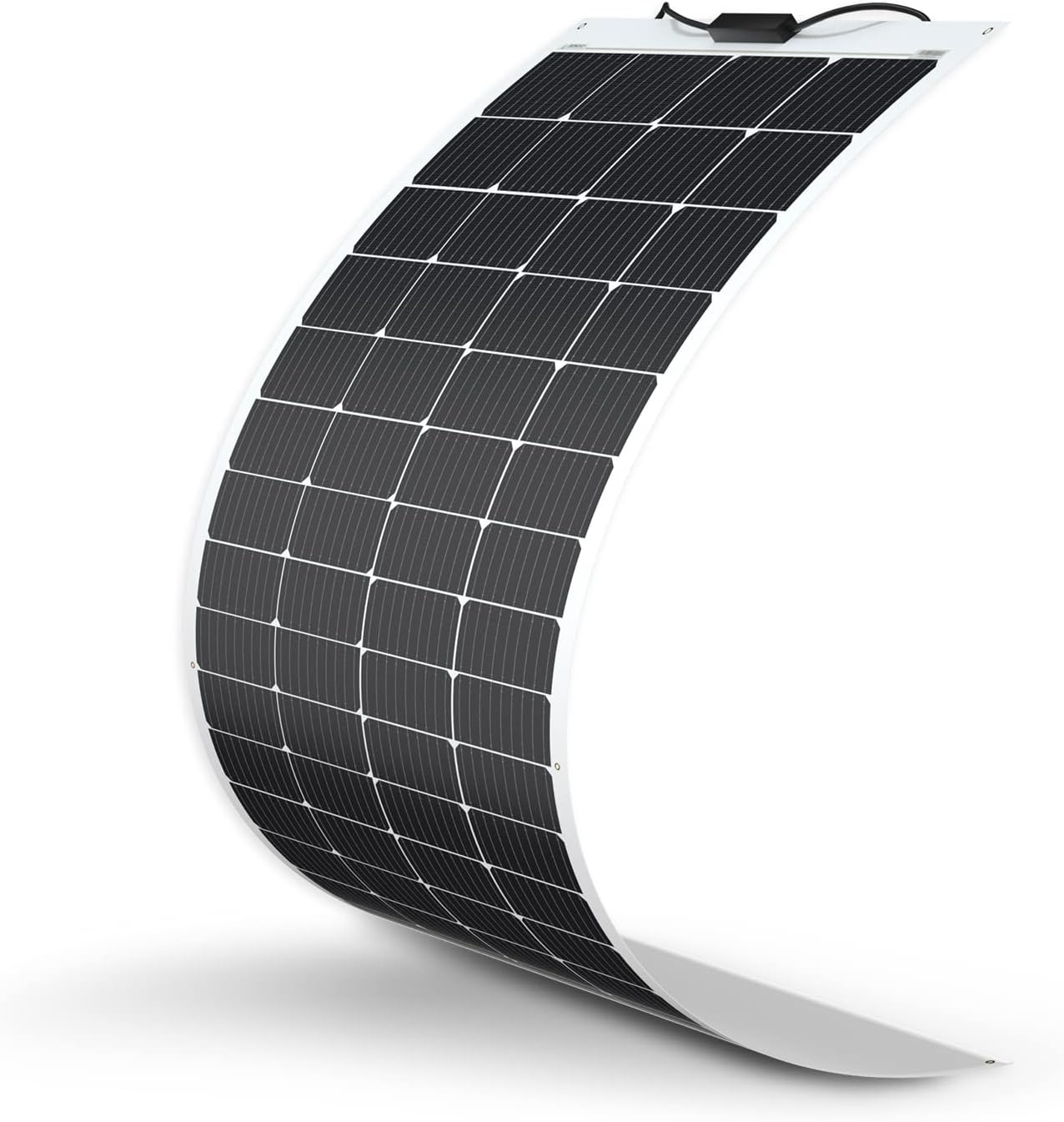
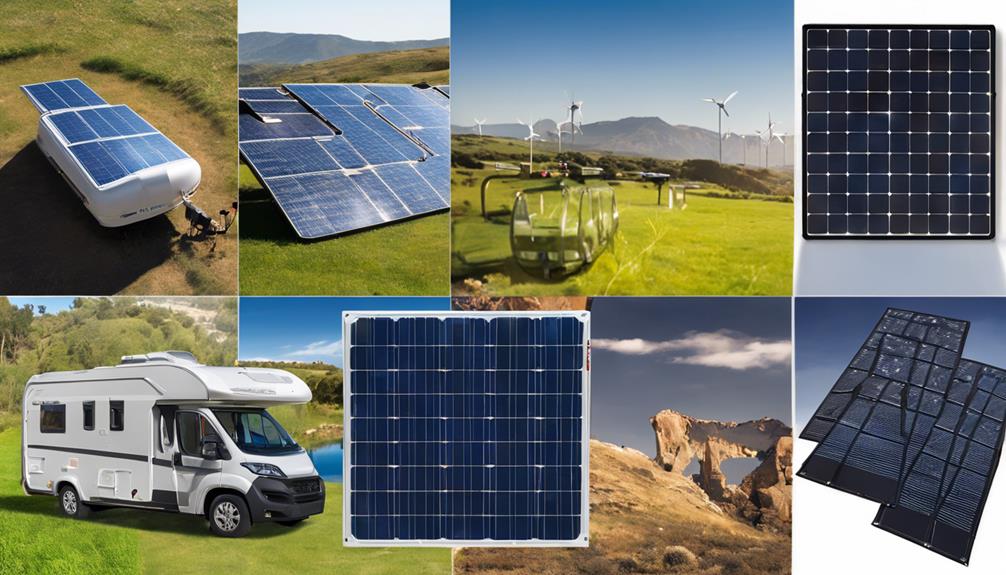
The backbone of a Tesla smart home is its hardware and software working together. Tesla solar panels or a Solar Roof generate electricity from sunlight, while the Powerwall stores surplus energy for use during evening hours or power outages. The Tesla app provides a single interface for monitoring production, storage levels, and consumption patterns in real time, enabling homeowners to make informed decisions about energy use. For homeowners with a Tesla vehicle, charging can be scheduled to take advantage of excess solar or lower-cost periods, effectively turning the car into another asset in the household energy system.
Energy efficiency and the net zero Tesla home
Achieving a net zero Tesla home requires more than just installing panels and batteries; it demands a whole-house approach to energy efficiency and smart scheduling. Upgrading insulation, sealing air leaks, and installing efficient heating and cooling systems reduce overall demand, making it easier for solar and storage to cover household needs. When combined with Tesla energy solutions, these improvements increase the likelihood of reaching net zero or net positive energy performance, where the home produces as much or more energy than it consumes over the year.
Practical considerations and Tesla home price
Cost is a key factor for most homeowners considering a transition to a Tesla smart home. The Tesla home price varies widely depending on the scale of the solar array, the number of Powerwalls installed, roof complexity, and labor in your region. In addition to upfront costs, homeowners should evaluate payback periods based on local utility rates, solar incentives, and potential savings during power outages. For many, incentives and long-term energy bill reductions make the investment attractive, but an accurate cost estimate should include system sizing aligned with your household’s energy profile and future plans such as electric vehicle adoption.
Smart house features and home improvement integration
Beyond energy generation and storage, the Tesla smart house concept extends to automation and home security. Integrating smart thermostats, automated blinds, smart lighting, and efficient appliances allows the Tesla energy system to shift loads away from peak hours or utilize stored solar during expensive utility windows. These integrations turn home improvement projects into energy-saving investments that complement Tesla products. For example, replacing an old HVAC system with a high-efficiency heat pump not only improves comfort but reduces the required solar and battery capacity, lowering the overall cost of achieving net zero status.
Installation, financing, and real-world use cases
Installation logistics for Tesla energy products have improved as the company and certified installers expand their networks. Homeowners should consider roof condition, shading, local permitting, and HOA requirements when planning a Tesla home project. Financing options range from cash purchases to loans and leases, and incentives such as federal tax credits or state-level rebates can significantly reduce effective costs. Real-world use cases include suburban households relying on stored solar during storm-related outages, homeowners in sunny climates achieving net zero status and selling excess energy back to the grid, and families pairing home energy upgrades with electric vehicles to lower total transportation and household energy costs.
Future trends for Tesla housing and powered homes
As technology advances, the concept of Tesla housing will likely broaden to include more seamless vehicle-to-grid integration, smarter home energy algorithms, and greater interoperability with other home automation ecosystems. The rise of neighborhood-scale microgrids and community solar projects could also change how Tesla-powered homes interact with the grid, offering additional resilience and financial benefits. For homeowners, staying informed about evolving standards and incentives can help maximize the return on energy efficiency and home improvement investments.
Choosing to create a Tesla home is both a practical energy decision and a lifestyle choice that emphasizes resilience, sustainability, and long-term savings. By combining efficient building upgrades with solar generation, battery storage, and intelligent control systems, homeowners can reduce utility bills, improve comfort, and move closer to a net zero home. Thoughtful planning around system size, home improvements, and financing will help determine whether a Tesla-powered home is the right path for your energy efficiency goals.