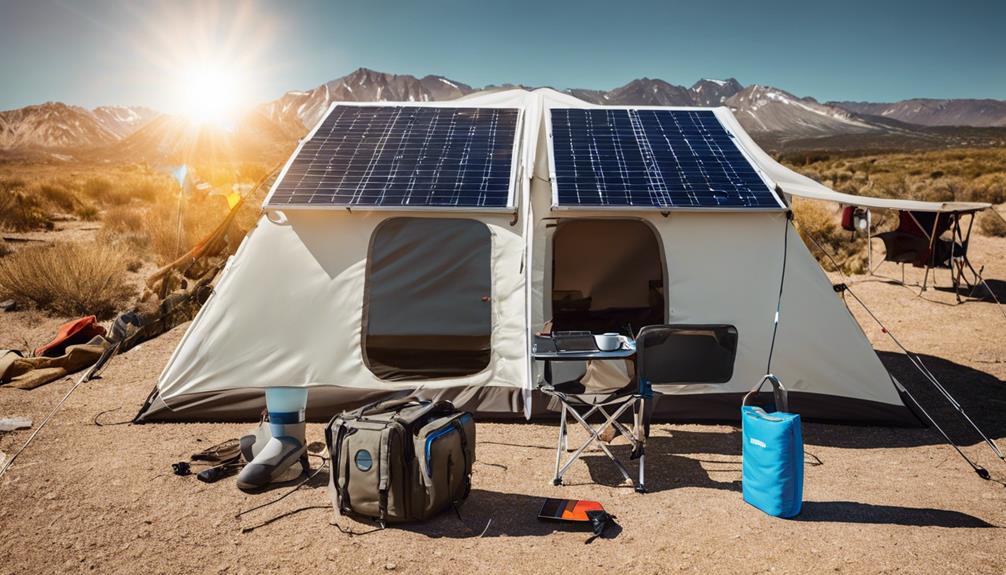
Finding reliable complete solar kits & systems in your area is easier than ever as interest in renewable energy grows. Whether you want a small off-grid setup for a cabin, a backup power kit for emergencies, or a full rooftop system to cut electricity bills, searching for solar kits nearby helps you compare options, get local installation support, and access incentives specific to your region. This article explains practical steps to locate, evaluate, and install a kit, and highlights how small solar panel companies can be a smart choice when you want personalized service and hands-on expertise.
Why choose complete solar kits and systems
Complete solar kits include panels, inverters, mounting hardware, wiring, and often batteries and charge controllers, packaged to work together. Choosing a complete system simplifies procurement and reduces compatibility issues that can arise when mixing components from different manufacturers. For homeowners and small businesses, a kit can speed up installation and make it easier to calculate return on investment. Kits range from compact packages for RVs and sheds to scalable systems for entire homes, so you can pick a configuration that matches your energy goals without designing every detail from scratch.
How to find solar kits nearby
Start by searching online for solar kits nearby and include your city or ZIP code to surface local suppliers and installers. Local solar distributors and independent small solar panel companies often advertise ready-made kits and can provide on-site assessments. Attend regional green energy fairs or home shows to see demonstration kits up close and ask vendors about installation services. Asking neighbors or community groups for recommendations is also useful; local installers that have completed work on nearby homes are more likely to understand local permitting rules and roof types, which speeds up the process.
Advantages of working with small solar panel companies
Small solar panel companies frequently offer more personalized service than large national chains. They may provide tailored advice on system sizing, competitive pricing on specific components, and flexible installation timelines. Because many small firms focus on a defined service area, they develop expertise in regional permitting, utility interconnection, and incentives, which can reduce delays. In addition, local businesses can be easier to reach for routine maintenance or warranty issues and may respond more quickly if you need emergency support for a battery or inverter failure.
How to choose the right complete solar kit for your needs
Begin by evaluating your energy use and objectives. If your priority is to power a few appliances during outages, a small off-grid kit with a battery and inverter may suffice. For reducing monthly bills, look for grid-tied kits with high-efficiency panels and inverters designed for export to the grid. Consider roof orientation, shading, and available mounting space: some kits are optimized for ground mounts or flat roofs, while others are meant for sloped residential roofs. Pay attention to component warranties and the reputation of the manufacturers included in a kit. Even when shopping for solar kits nearby, insist on seeing component specifications so you can compare panels, inverters, and battery chemistry across different offerings.
Sizing and future expansion
A well-sized kit covers your immediate needs and allows for future expansion. If you plan to add electric vehicle charging or expand your home, choose a system with modular components or one that supports additional panels and battery capacity. Small solar panel companies often provide modular kits that are designed for staged upgrades, which keeps initial costs lower while allowing growth as your budget or energy consumption changes.
Installation, permits and maintenance
Local regulations and utility requirements vary, so working with installers who know the local process simplifies permitting and interconnection. Whether you buy a complete kit and self-install or hire professionals, you will likely need a permit, an inspection, and a utility agreement for grid-tied systems. Routine maintenance for most kits is straightforward: keep panels clean, check for debris on rooftops, and monitor inverter status. Batteries require more attention—regular checks of connections and state-of-charge behavior help prolong life. When you purchase solar kits nearby from an established installer, confirm what maintenance services they provide and whether ongoing monitoring is included.
Costs, incentives and financing options
Prices for complete solar kits vary widely depending on size, components, and whether batteries are included. Small kits for off-grid use can be a few hundred dollars, while full-home systems range into the thousands. However, local and federal incentives can reduce net cost dramatically. Many regions offer tax credits, rebates, or performance-based incentives for solar installations. Some small solar panel companies work with financing partners to offer loans or lease-to-own options that spread payments over time. When evaluating quotes for solar kits nearby, request a clear breakdown of equipment, labor, permit fees, and expected incentives so you can compare true net costs.
Choosing a complete solar kit and the right provider involves balancing budget, energy goals, and local support. Searching for solar kits nearby is a practical first step to find packages tailored to your climate and utility rules, and partnering with small solar panel companies can provide hands-on, local expertise. With thoughtful sizing, attention to warranties and maintenance, and awareness of incentives, a complete solar kit can deliver clean power and long-term savings for many homes and small businesses.