An electric generator battery is becoming a household essential as more people seek reliable, clean ways to power their homes and outdoor activities. Whether you’re preparing for storm season, building a resilient home solar battery storage system, or planning a weekend camping trip, modern rechargeable generators and battery powered generators offer flexible alternatives to traditional gas generators. This article explains how electric generator batteries work, compares portable options, and shows how to integrate them into a home backup strategy.
How an electric generator battery works
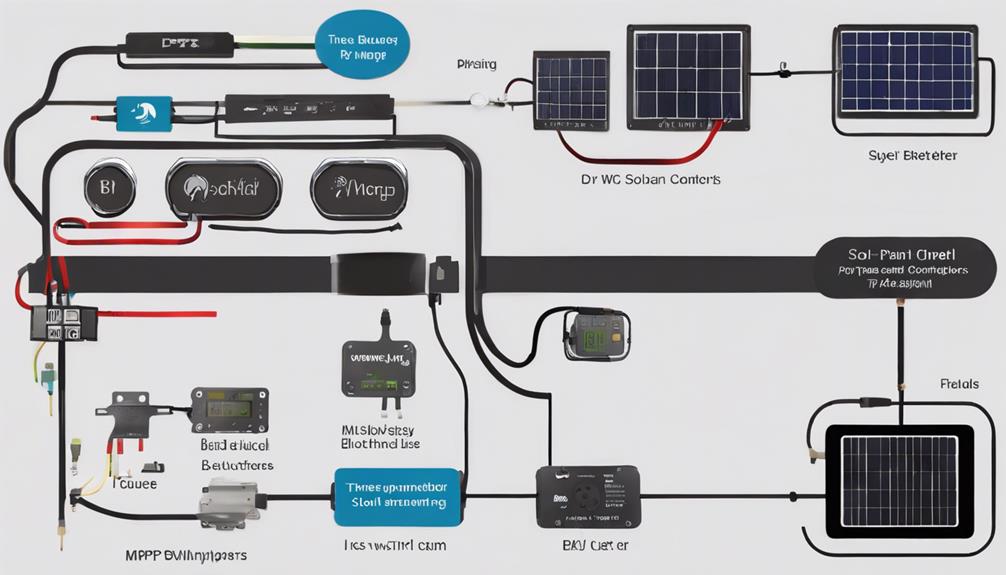
An electric generator battery is fundamentally a battery pack combined with an inverter and charge controller to convert stored DC energy into usable AC power. Unlike a conventional gas generator that produces electricity on demand, a battery powered generator stores energy from the grid, solar panels, or other sources and delivers it silently and emission-free. Contemporary systems often use lithium chemistry for higher energy density, which is why terms like lithium battery generator or lithium generator are now common. The inverter is key for supplying consistent voltage to sensitive electronics, and many portable battery generators include multiple AC outlets, USB ports, and 12V outputs to serve a wide range of devices.
Choosing the right battery generator for home backup
Selecting the best electric generator battery for your house depends on your power needs and desired runtime. For small essential loads—refrigerator, lights, Wi-Fi, and medical devices—many homeowners opt for a portable power station for home backup rated between 1,000 and 3,000 watt-hours. Larger needs may require a stacked system or a dedicated home battery storage unit tied into your breaker panel. When comparing models, consider both continuous wattage and surge capacity, as some appliances require a high start-up current. Look for features like battery inverter generator capability, integrated transfer switches for seamless power during outages, and compatibility with solar charging if you’re expanding into home solar battery storage.
Portable battery generators for camping and outdoor use
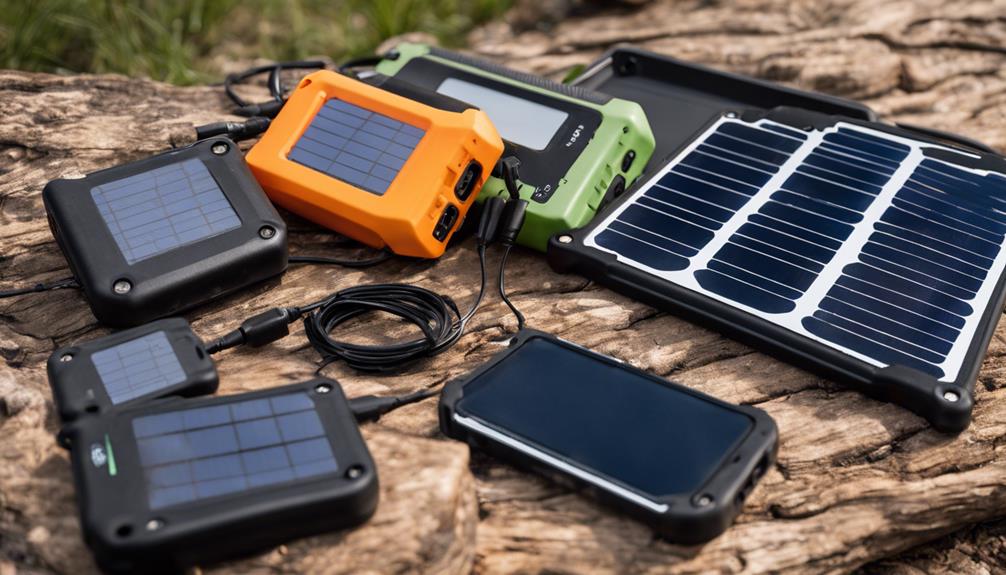
For outdoor enthusiasts, a battery powered generator or portable battery power pack offers quiet, lightweight energy without gasoline fumes. Small power generator for camping options are typically compact, designed for backpacking generator use or tailgating, and focus on portability and USB/AC convenience. If you need to power a small fridge, lights, and charging devices on a campsite, many portable rechargeable generators provide enough capacity while staying within weight limits. While these units are often marketed as battery powered electric generator solutions, it’s important to match capacity to your expected usage—running a full-size coffee maker or space heater will drain even the best battery operated generator quickly.
Integrating a battery powered generator with home solar battery storage
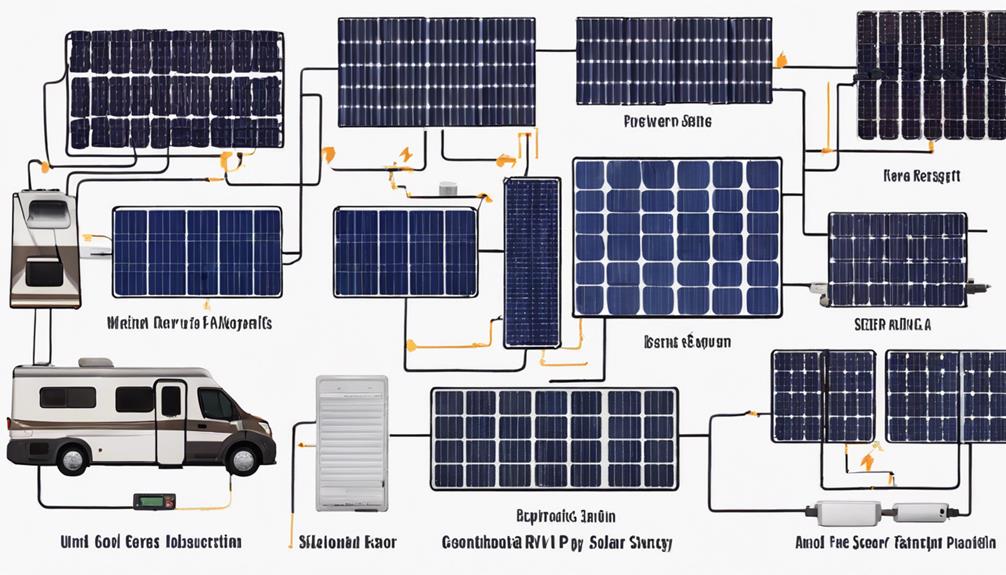
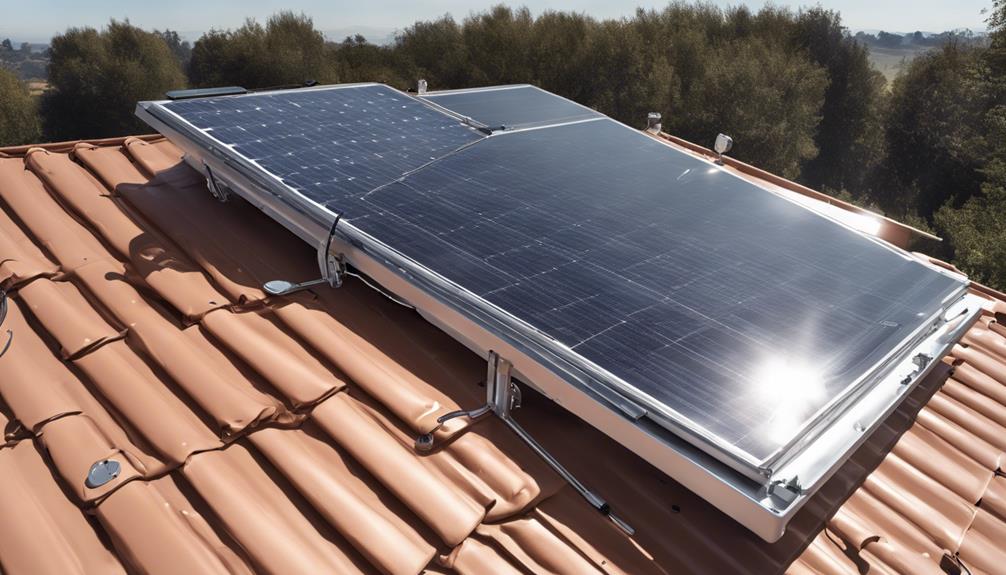
One of the strongest use cases for an electric generator battery is integrating it into a home solar battery storage system. A battery generator can act as a home power bank during grid outages or as a buffer to store surplus solar energy during the day for night-time use. Systems designed for this purpose include hybrid inverters and smart energy management to optimize charge and discharge cycles. For those considering a portable solar option or wanting redundancy, pairing solar panels with a portable solar power station or rechargeable battery generator creates a scalable, eco-friendly backup. Many homeowners explore best battery generators and best power stations for home backup when planning an off-grid-capable or grid-tied solar setup.
Safety, maintenance, and lifespan considerations
Maintaining a battery generator is different from servicing a fuel-powered generator. Because there are no fluids to change or carburetors to clean, routine maintenance focuses on software updates, monitoring battery health, and ensuring the unit is stored within recommended temperature ranges. Lithium battery generator systems often include battery management systems that prevent overcharging and overheating. For indoor use, a battery powered indoor generator is a safer choice than gas units, eliminating carbon monoxide risks. However, proper ventilation is still recommended for heat dissipation. Regular capacity checks and following manufacturer guidelines will extend the useful life of your unit and help you select the best battery power generator for home situations.
Practical use cases and buying tips
Electric generator batteries fit multiple scenarios. Families use them as emergency power backup to keep refrigerators and medical devices running. Remote workers rely on portable battery generators to maintain productivity at outdoor sites or during travel. Campers and backpackers pick compact units that power lights and charge devices without the noise of traditional generators. When shopping, prioritize runtime and power output aligned with your needs, and consider modular systems that allow you to expand capacity. Researching the best battery operated generator models—including brand reputations like best EcoFlow-style systems and top-rated lithium generator options—helps ensure you invest in reliable backup power that integrates cleanly with home solar battery storage plans.
Electric generator batteries are reshaping how households approach resilience and off-grid living. By understanding how these systems operate, assessing your power needs, and planning for integration with solar panels or larger home storage, you can choose a battery generator that provides dependable, clean energy for both everyday convenience and emergency preparedness.