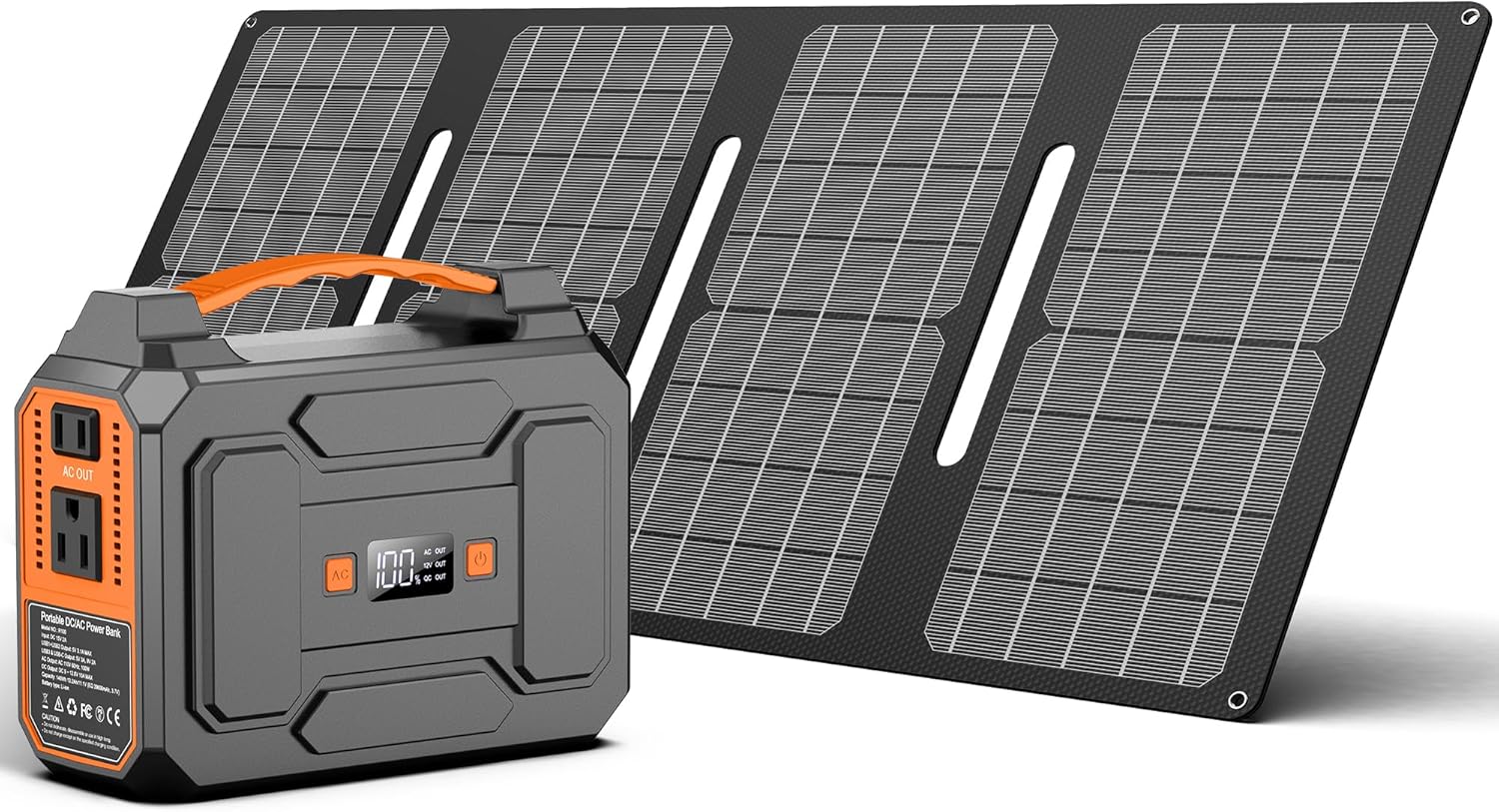
When planning a home solar battery storage system, choosing the right chemistry and supplier is as important as sizing the panels and inverter. The term lithium ion battery battery is commonly used to describe the rechargeable cells that dominate residential storage because of their high energy density, long cycle life, and increasingly affordable price. This article explains how lithium ion technology works in home solar setups, compares common variations like li ion and li ion lithium battery products, and offers practical guidance on where to buy and how to maintain units for reliable energy backup.
Why lithium ion batteries are popular for home solar storage
Lithium ion batteries have become the go-to option for home solar energy storage because they provide a favorable balance of capacity, efficiency, and longevity. The energy density of lithium ion cells allows for compact battery packs that store more power in a smaller footprint than older chemistries. That higher energy density of lithium ion makes it easier to install storage in garages, basements, or dedicated battery closets without sacrificing usable capacity. Manufacturers package individual lithium cell units into modules and battery packs, creating scalable solutions from a single li ion battery up to multi-kilowatt hour systems for whole-house backup.
Performance characteristics: energy density, cycle life, and efficiency
Understanding the energy density of lithium ion and the related performance metrics is essential when evaluating home solar battery options. The energy density of lithium ion batteries is typically measured in watt-hours per kilogram and directly affects how much usable energy a battery can store relative to its size and weight. In practice, this means a lithium cell used in a residential battery pack supplier’s offering will deliver more capacity per module than older lead acid alternatives. Besides energy density, look for round-trip efficiency, depth of discharge, and cycle life. High-quality lithium ion power battery systems commonly achieve above 90 percent round-trip efficiency and tens of thousands of cycles at moderate depths of discharge, translating to years of dependable operation for solar self-consumption and backup power.
Sourcing and purchasing: where to buy lithium batteries
Finding reputable lithium ion batteries for sale requires a mix of research and attention to specifications. Consumers often ask where can I buy a lithium battery or where to buy lithium batteries for a home project. Options include manufacturer-direct sales, specialized battery stores, solar installers that include battery installation and commissioning, and broader electronics retailers. A lithium ion battery store or an authorized battery pack supplier will often provide technical support, warranties, and installation guidance that general retailers do not. When you search for liion battery or li ion lithium battery listings, verify that the seller provides clear datasheets, warranty terms, and safety certifications for the battery pack. For homeowners interested in buying cells for DIY projects, purchasing individual lithium cell units requires deeper technical knowledge and attention to safe handling and battery management systems.
Comparing purchase channels
Buying a complete residential battery system through a solar installer usually includes integration with your inverter and a warranty for performance and safety, which is valuable for first-time buyers. If you opt to purchase lithium ion for sale through a battery pack supplier or electronics store, ensure compatibility with your existing solar hardware and that a qualified electrician will handle installation. For those wondering how to purchase lithium batteries for specialized needs, certified retailers and distributor networks typically offer the best combination of product support and authenticity.
Installation, replacement, and ongoing maintenance
Installing a lithium ion battery in a home solar system is more than connecting wires; it requires proper siting, ventilation, and integration with a battery management system (BMS) to protect the pack from overcharge, deep discharge, and thermal events. Homeowners who need lithium battery replacement should consult their original installer or a certified technician, because improper replacement can void warranties and create safety risks. Regular maintenance for lithium systems is low compared with older chemistries, but monitoring through a system app or monitoring panel is recommended. Battery state of charge, temperature, and performance trends should be checked periodically so early issues can be addressed before they lead to service interruptions.
Safety, regulations, and lifecycle considerations
Safety standards and regulations for residential lithium batteries have improved as adoption has grown. A reliable lithium ion battery will include a robust battery management system and meet regional safety certifications. The term lion battery or lil battery is sometimes seen in casual postings, but consumers should look for technical specifications and certified compliance rather than colloquial labels. End-of-life planning is equally important: when a pack no longer meets performance requirements, proper recycling or return to the supplier ensures cells are handled responsibly. Purchasing from reputable vendors often includes take-back programs or clear guidance on lithium battery recycling and disposal.
For homeowners, the decision to include a lithium ion power battery in a solar installation should factor in energy goals, available space, and budget. While the upfront cost can be significant, the benefits of increased solar self-consumption, reliable backup power, and potential financial returns in regions with time-of-use rates make lithium systems an attractive long-term investment.
In conclusion, lithium ion battery technology offers compelling advantages for home solar battery storage—high energy density, efficient charge-discharge cycles, and flexible form factors that suit a range of residential needs. Whether you search for lithium ion batteries for sale, visit a lithium ion battery store, or inquire where to buy lithium batteries, prioritize reputable suppliers, appropriate certifications, and professional installation. With proper selection and maintenance, a lithium ion battery-based system can reliably store your solar energy, protect your home during outages, and increase your use of clean energy for years to come.