Intro — what this page covers
This page explains how a residential solar system (photovoltaic or PV system) delivers electricity to your home, the main components—solar panels for home use, the home solar inverter, and optional solar battery storage—how net metering and export credits affect savings, and practical next steps on sizing, warranties, and hiring an installer.
What you’ll learn
- How PV electricity flows from panels to your loads and the grid
- Key components and inverter options
- How to estimate system size and likely production
- Costs, incentives, warranties, permitting, and questions to ask a contractor
How a residential solar system works
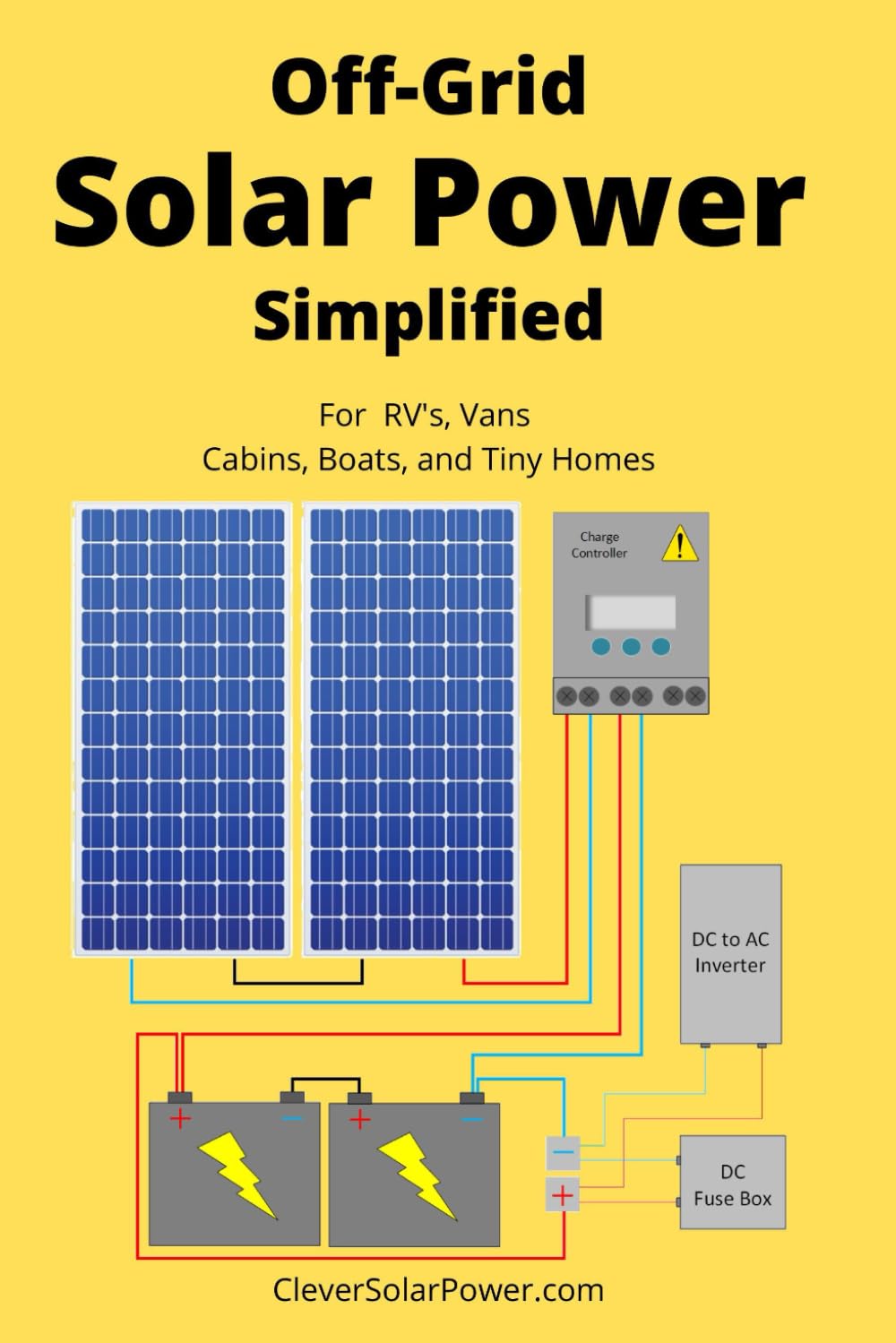
At a basic level: solar modules (solar panels) convert sunlight to DC power (direct current). An inverter (home solar inverter) converts that DC to AC (alternating current) for your household appliances. Your system either supplies your loads first, charges a battery (if present), and then exports excess to the grid—or, in off‑grid systems, supplies a battery and loads without a utility connection. A meter records import and export for billing and any export compensation (net metering or net billing).
Main components and choices
Major parts of a residential PV system:
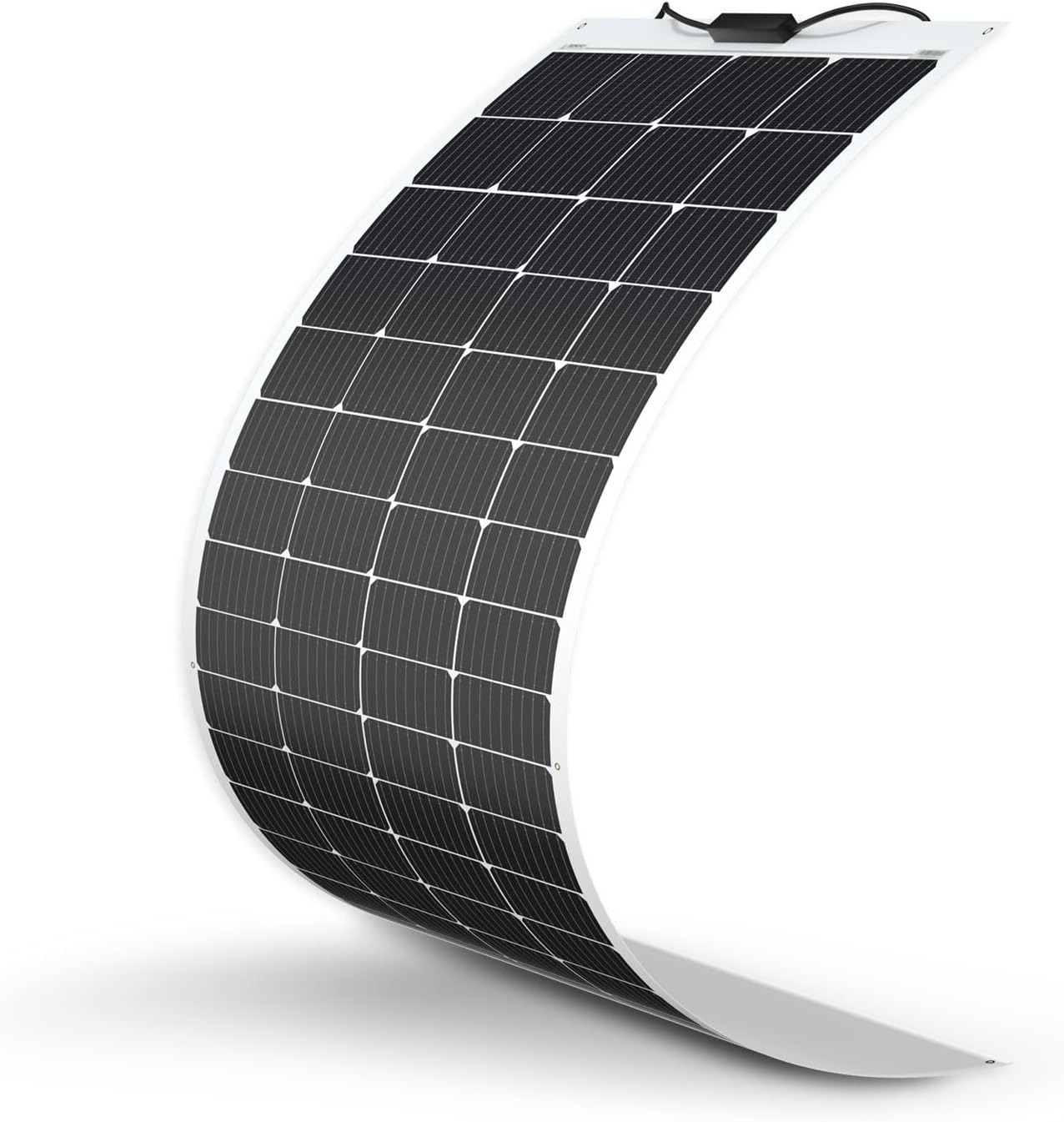
- Solar modules (panels) – typically crystalline silicon modules with ~25‑year performance warranties. Modern modules degrade slowly (~0.3–0.8% per year) and often produce well beyond warranty periods.
- Inverter – converts DC to AC. Options include string inverters, microinverters, and power‑optimizer + string inverter setups. Inverter warranties vary: many string inverters are 10–12 years, while some microinverters and optimizer systems offer 20–25 year warranties. Plan for potential inverter replacement in long‑term costs.
- Battery Energy Storage System (BESS) – home batteries (often lithium iron phosphate, LFP) store excess energy for night use or backup. Battery choice affects cost, lifespan, and usable capacity.
- Balance of System (BOS) – racking, wiring, combiner boxes, disconnects, and meters.
Inverter comparison (quick)
- String inverter: lower cost, simple; shading or panel mismatch reduces whole-string output.
- Microinverters: per-panel optimization, better performance with shade, typically longer warranties but higher upfront cost.
- Power optimizers + string inverter: compromise—module-level optimization with a central inverter.
System types and use cases
Common residential configurations:
- Grid‑tied – simplest and most common. Produces while grid is up; exports excess energy to the grid per your utility’s export policy.
- Grid‑tied with battery – adds resilience and can improve self‑consumption, but increases cost.
- Off‑grid – requires large battery and backup generation; suitable for remote sites without reliable grid access.
- Hybrid / grid‑forming – advanced inverters can island during outages and manage both battery and grid interaction.
Sizing a residential solar system — a simple how‑to
Start with your annual consumption (look at 12 months of utility bills). Convert to kWh/year. Divide by estimated annual production per kW of installed DC capacity (this depends on location). A rough production range is 1,000–1,600 kWh per kW‑DC per year across the U.S.
Example: the median U.S. residential system size (as of 2024) is about 7 kW DC. If your location yields 1,300 kWh/kW/year, a 7 kW system would make roughly 9,100 kWh/year (7 × 1,300). Adjust up or down for your local solar resource and roof orientation.
Cost, savings & incentives
Solar system cost and payback depend on system size, local electricity prices, incentives, and export compensation. Industry figures often cite average annual bill savings on the order of about US$1,500/year for typical U.S. residential systems, but your results will vary. Federal tax credits (Investment Tax Credit or ITC) and state/local rebates have materially affected costs in recent years—check current rates, as policies change. Importantly, net metering and export compensation rules vary by state and utility and can substantially affect payback; use DSIRE or your utility’s tariff for the current rules.
Warranties, lifetime & maintenance
Modules: expect a 25‑year power‑output warranty and gradual degradation (~0.3–0.8%/year). Inverters: warranties commonly range from 10–25 years by product type—plan on possible replacement. Batteries: warranty terms vary by chemistry and cycle count—LFP batteries are common today for longer life and safety. Maintenance is limited but real: periodic inspections, inverter servicing, and cleaning in dusty locations are normal.
Permits, interconnection & safety
Almost all installations require permits and an interconnection agreement with your utility. Authorities having jurisdiction (AHJs) and utilities will inspect and approve systems before allowing grid connection. DIY installs may not meet local code or interconnection requirements—verify local rules.
Choosing an installer — short checklist
- Verify licensing, insurance, and local references.
- Ask for itemized quotes, system design, and expected annual production.
- Confirm inverter and module warranties and who handles warranty service.
- Ask about monitoring, proposed interconnection plan, and permit handling.
- Get a written timeline and payment schedule; check sample contracts.
FAQs (short)
- Will panels last 25 years? Yes—most have 25‑year performance warranties and often last longer; expect gradual degradation.
- What about selling back to the grid? Compensation varies by utility and state—check current net metering or net billing rules locally.
- Do batteries need replacement? Yes—batteries degrade; cycle life and warranty determine replacement timing.
- Is installation maintenance‑free? No—modules are low‑maintenance but inspections, inverter service, and occasional cleaning are normal.
- How do I get a reliable quote? Request multiple itemized proposals, ask for monitoring demos, and check installer references.
Next steps and disclaimer
Get at least two site‑specific quotes, check local incentives and net‑metering rules using DSIRE and your utility, and ask installers for expected annual production for your address. This page is informational and not legal or financial advice. Local rules, incentives, and tariffs change—check your utility, DSIRE, and a licensed local installer for site‑specific guidance.