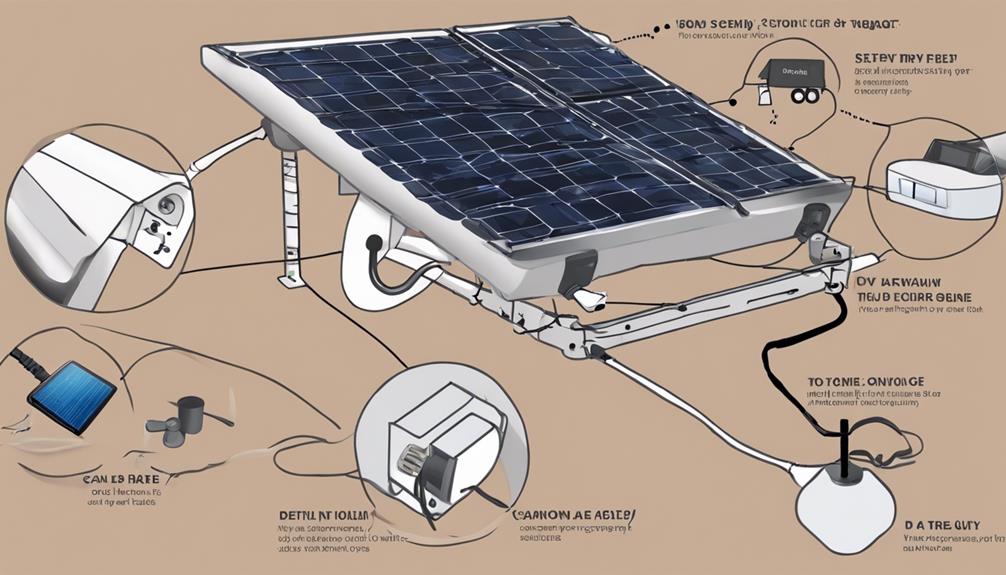
This practical checklist helps homeowners decide whether residential solar photovoltaic (PV) is a good fit and what to check before getting quotes. You’ll find site‑suitability tips, cost ranges, incentive notes, performance expectations, storage basics, environmental nuance, and ready‑to‑ask installer questions.
Numbers and policies current as of July 7, 2026. Policies change—see the resources at the end before you sign contracts.
Is your home a good candidate?
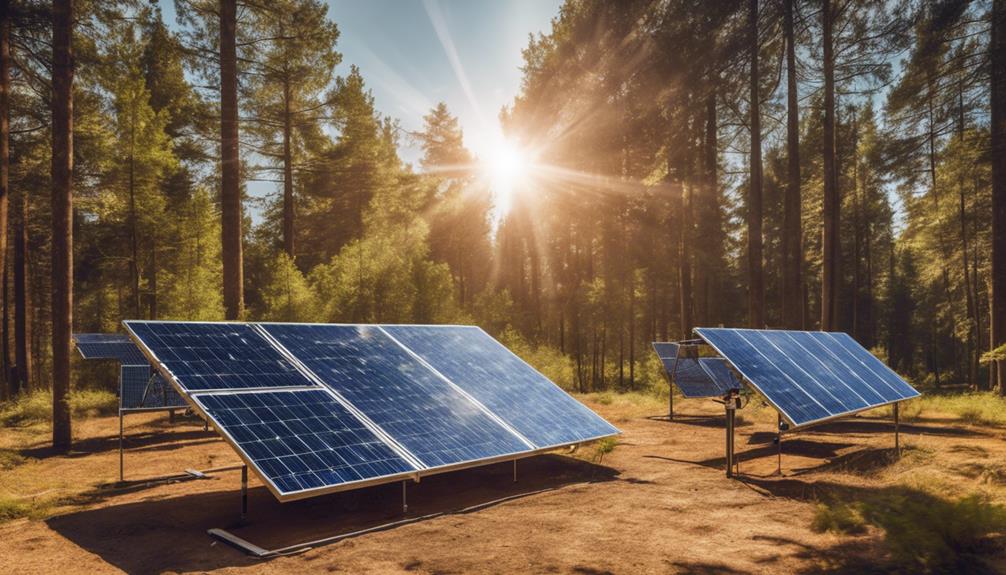
Key site factors matter: local solar resource, roof orientation and tilt, shading from trees or nearby buildings, and roof condition/age. “Solar photovoltaic (PV)” means panels that convert sunlight to electricity; system size is measured in kilowatts DC (kWdc).
- Sun hours and climate determine production—sunny Southwest homes produce more kWh per kWdc than cloudy northern locations.
- Shading can reduce output dramatically; even small shaded areas on a string inverter system can impact a whole string (microinverters or optimizers help mitigate this).
- Roof age matters: if your roof needs replacement within 5–10 years, plan that work before installation.
Use a production tool such as PVWatts for an address‑specific estimate (NREL’s PVWatts is a free, widely used tool) (PVWatts, NREL).
How much will it cost (and what affects price)?
Installed cost varies by state, system size, and market conditions. Typical U.S. installed costs before incentives are roughly $2.50–$3.50 per watt ($/W or $/Wdc) as a general benchmark; local prices may be above or below this range (NREL Q1 2025 market benchmarks).
What drives cost:
- System size (larger systems reduce $/W somewhat).
- Equipment quality and inverter type (string inverters vs. microinverters or optimizers).
- Labor, permitting, interconnection fees, and roof work.
- Optional battery storage (adds substantial cost; treat separately).
Incentives & rules that change the math
The federal Residential Clean Energy Credit (commonly called the tax credit or ITC) has provided a percentage of qualifying costs for installations placed in service; check IRS guidance and Form 5695 for current eligibility and exact rules (IRS, 2026). State and utility incentives, net‑metering rules, and export/credit rates vary widely—some utilities pay full retail, others an export or avoided‑cost rate. Policy updates can materially change payback expectations (SEIA/DSIRE for state rules).
Not tax or legal advice: consult a tax professional about eligibility, carryovers, and filing Form 5695.
Performance, warranties, and lifespan
Expect panels to degrade slowly: many modern crystalline modules degrade about 0.4–0.8% per year, and performance warranties commonly guarantee roughly 80–90% of nameplate capacity after 25 years (DOE/NREL guidance). Inverters typically have shorter warranties (5–15 years) and are often the first major component to replace. Use a 25‑year performance warranty as a baseline when comparing proposals (Energy.gov / DOE guidance).
Consider batteries separately
Behind‑the‑meter battery storage provides resilience (backup power), time‑shifting (store daytime solar to use at peak TOU rates), and backup during outages. Batteries add significant upfront cost and change payback math; evaluate storage independently of the PV system and compare quoted battery round‑trip efficiency, warranty (cycles/years), and replacement expectations (SEIA storage brief).
Environmental considerations
Operational emissions from PV are near‑zero, but manufacturing, transportation, and end‑of‑life recycling have embodied impacts. Recycling infrastructure is growing but still evolving—avoid absolute claims and consider installer/disposer policies for modules at retirement (NREL lifecycle reviews).
Quick example (illustrative)
| System size | Pre‑incentive cost (range) | Typical annual production (example) |
|---|---|---|
| 5 kW | $12,500–$17,500 | ~6,000–9,000 kWh/year (varies by location) |
| 8 kW | $20,000–$28,000 | ~9,500–14,000 kWh/year (varies by location) |
Example note: a sunny Southwest site might see the high end of those estimates; a cloudier northern coastal city would be near the low end. Use PVWatts for an address‑specific kWh/year estimate (PVWatts, NREL).
Practical checklist before you get quotes
- Check this first: roof age/condition, recent electric bills (12 months), HOA rules or local permits.
- Gather 2–3 months of utility bills and a recent electric rate schedule (TOU or demand charges matter).
- Confirm service panel capacity and any planned electrical upgrades.
- Ask for a written site assessment and a PVWatts‑style production estimate for your address.
- Verify installer credentials, business license, insurance, and references.
Top questions to ask installers
- What system size (kWdc) do you propose and what annual production (kWh) do you expect? Show the estimate method.
- What is the total installed cost ($/W) and what is included? Itemize equipment, labor, permits, and interconnection fees.
- What are the panel and inverter warranties (product & performance)? What is the guaranteed performance after 25 years?
- Who handles permits, inspections, and utility interconnection/net‑metering paperwork?
- If including a battery: what is usable capacity (kWh), round‑trip efficiency, warranty (cycles/years), and recommended replacement plan?
- What is your decommissioning/recycling policy for panels and batteries at end of life?
Next steps: run an address estimate at PVWatts, collect 3 written quotes, and confirm federal/state incentive eligibility (see IRS and DSIRE/SEIA resources). If you need help interpreting quotes or comparing system proposals, a third‑party energy auditor or a trusted installer can help.
Where to verify
- PVWatts (NREL) for production estimates
- IRS guidance and Form 5695 for the Residential Clean Energy Credit
- SEIA / DSIRE for net‑metering and state/local incentive information
Key sources used: NREL cost benchmarks (Q1 2025), NREL PVWatts, IRS clean energy credit guidance (Form 5695/FAQs), SEIA net‑metering overviews, and DOE/NREL notes on degradation and warranties. This article is informational only—not tax or legal advice.