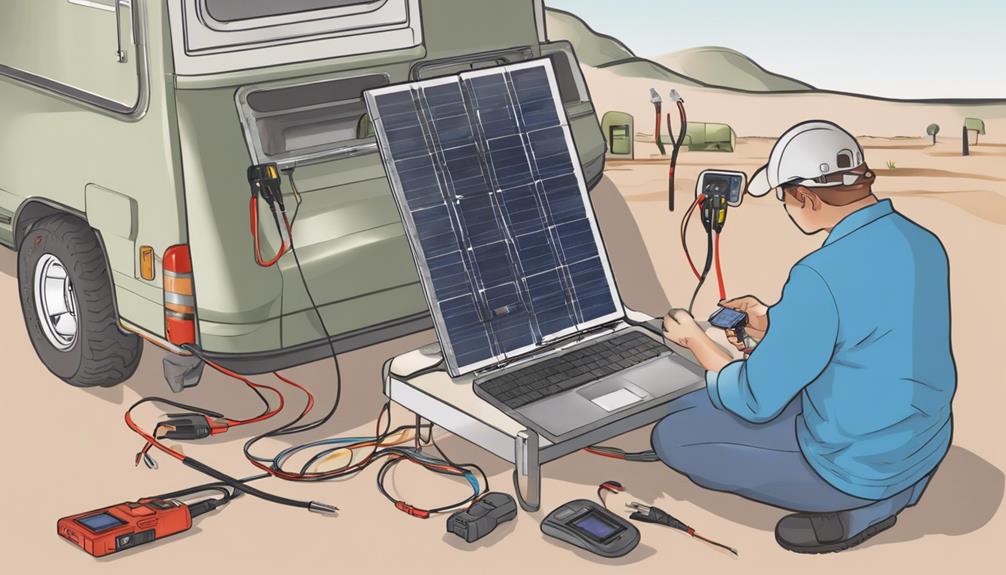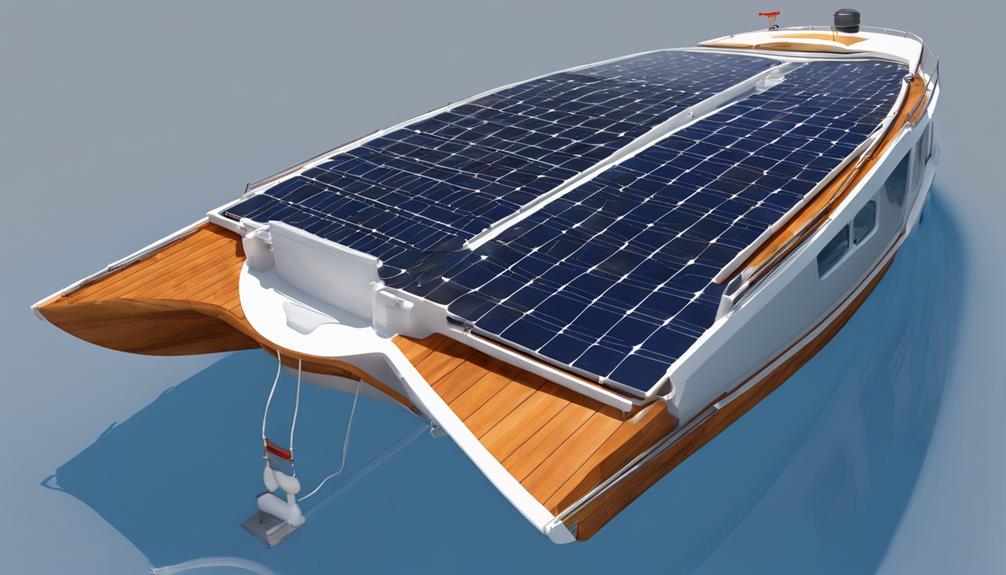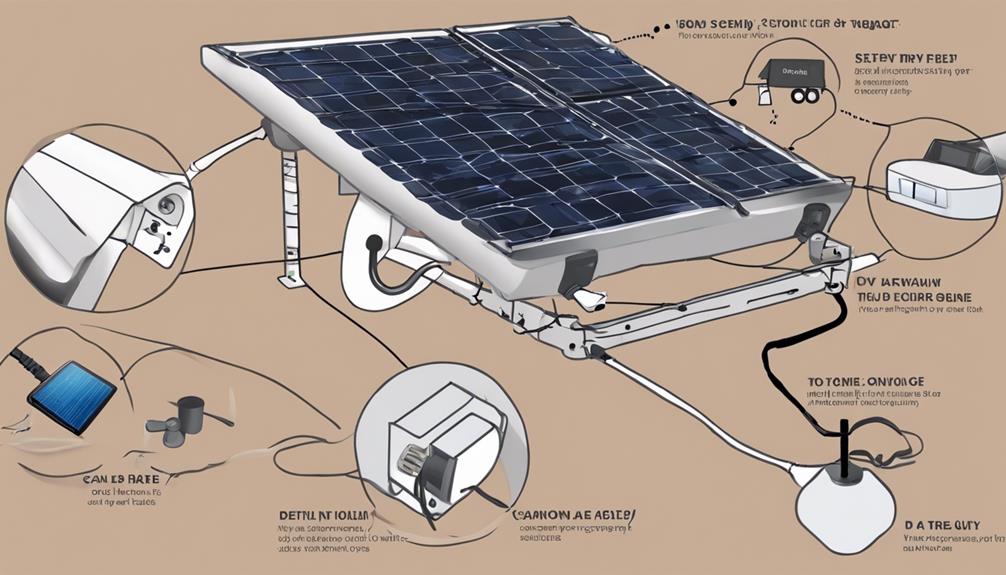
Solar-panel tilt matters because the panel surface angle determines how much sunlight the module sees. The best tilt for a specific home balances annual energy production with roof shape, weather, shading, access, cost, and safety. This article explains tilt, how it interacts with panel direction, seasonal effects, and practical mounting choices for homeowners.
What is solar-panel tilt (and how is it different from azimuth)?
The solar-panel tilt angle is the angle between the panel surface and the horizontal plane: 0° is flat (horizontal), 90° is vertical. Azimuth is the compass direction the panel faces. In common U.S. practice, a south-facing array in the Northern Hemisphere points toward the equator; azimuth and tilt together determine the plane-of-array irradiance—the sunlight the panel actually receives.
Should panels be tilted, and by how much?
A simple starting point is to tilt a fixed array near the site’s latitude (degrees from horizontal) when the goal is to maximize year-round energy. But latitude is only a starting rule. Roof pitch, available space, shading, local climate (snow, wind), and when you use electricity can push the design away from a latitude-based angle.
For example:
- A tilt lower than latitude (closer to horizontal) tends to favor summer production and midday sun.
- A tilt higher than latitude favors winter production and lower sun angles.
- Flat roofs commonly use low-angle racks—roughly 10°–20°—for many residential and commercial systems.
How tilt affects seasonal and time-of-day production
Tilt shifts the seasonal profile: steeper panels capture more low winter sun, shallower panels or flat arrays capture relatively more summer sun. Tilt also interacts with azimuth: a west-facing array tilted shallow may produce more late-afternoon power than a south-facing array at the same tilt. Choose tilt to match whether your peak loads occur in summer afternoons (air conditioning) or winter mornings/evenings (heating, lighting).
Note: solar noon is the time the sun reaches its highest point on a given day; it varies by longitude and daylight saving time and is not always 12:00 p.m. on the clock.
Roof-mounted vs. ground-mounted: practical differences
- Pitched roofs: installers typically mount panels coplanar with the roof pitch. That keeps costs and wind exposure lower and avoids adding a tall rack unless the roof pitch is problematic.
- Flat roofs: low-angle racks or ballasted frames are common. Rack height, ballast, and wind loading become important design issues.
- Ground mounts: offer full tilt and azimuth flexibility and easier access for maintenance, but they need space, foundations, permitting, and careful row spacing to avoid shading.
Fixed, adjustable, and tracking mounts: trade-offs
- Fixed-tilt: simplest, least maintenance, and common for residential systems.
- Adjustable-tilt (manual seasonal change): can shift production toward summer or winter but requires safe access, time, and a mount rated for repeated adjustments; benefits are often modest for many homes.
- Single-axis trackers: motorized systems that follow the sun east-to-west. They can increase annual energy for ground-mounted arrays, but add cost, mechanical complexity, wiring, and maintenance.
- Dual-axis trackers: adjust both tilt and azimuth to follow the sun. They offer the most capture in ideal conditions but are uncommon for residential use due to higher cost and reliability concerns.
For multi-row ground systems, trackers may use backtracking controls to reduce row-to-row shading—an important commercial design feature, though less common on small residential sites.
What matters more than a small tilt change
Minor deviations from an “ideal” angle often have less impact than big real-world factors like shade from trees or chimneys, roof orientation and usable area, snow and wind loads, panel spacing, and local utility rules for net metering or export. A site-specific assessment that models tilt, azimuth, shading, and system losses will give a better forecast than an angle-only rule of thumb.
Estimating and modeling tilt effects
Use location-specific tools (for example, PVWatts or a professional installer’s modeling software) that accept tilt, azimuth, mounting type, and shading inputs. Good estimates include plane-of-array irradiance, soiling, temperature, and system losses—tilt is just one among several inputs. Avoid expecting a universal percentage gain from tracking or seasonal adjustment; the real-world benefit depends on site and equipment.
Is it worth tilting panels on your home? A quick checklist
- Existing roof pitch and condition: Is the roof pitch close enough to useful? How many years of life remain?
- Shading: Are there trees, vents, or chimneys that limit effective area?
- Climate: Heavy snow or frequent high winds can change tilt priorities.
- Desired seasonal output: Do you need more winter or summer generation?
- Access and maintenance: Can you safely and legally adjust or maintain the mount?
- Permitting and local rules: Will a taller rack trigger additional permitting or HOA issues?
- Economics and compensation: Check your state and utility net-metering or net-billing rules—export compensation varies.
Final advice
There is no single correct tilt for every site. The best angle is the one that meets your energy needs while remaining structurally sound, cost-effective, safe, and code-compliant. For most homeowners, a professionally designed fixed-tilt system or a roof-coplanar installation is the most practical choice. If your site has unusual shading, seasonal load patterns, or large ground space, ask for a site-specific production model and a review of wind, snow, and structural requirements before committing to a specific tilt or tracking system.
Professional-design caveat: Always use qualified installers and engineers for structural attachment, electrical connections, permitting, and interconnection. Tilt decisions affect wind and snow loading, so mounts and anchors must be selected and installed to local code and conditions.