Solar shingles are small photovoltaic roofing units that both cover a roof and produce electricity. Also called solar roof tiles or part of building-integrated photovoltaics (BIPV), they offer a lower-profile alternative to conventional rack-mounted solar panels. The central tradeoff is appearance and integration versus potentially greater product and installation complexity and, in many cases, higher cost. This guide explains how solar shingles work, who they suit, and what questions to ask before getting estimates.
What are solar roof shingles?
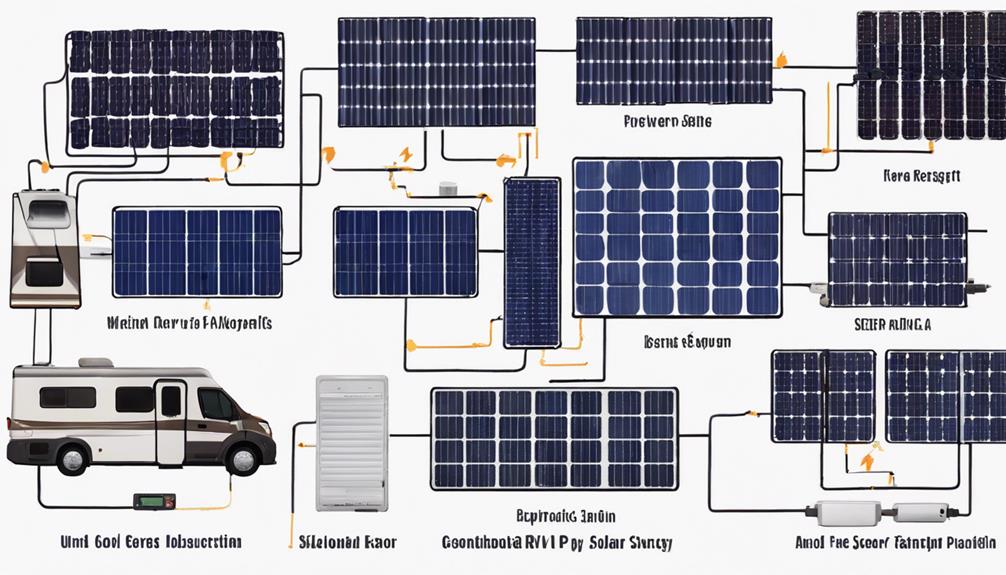
Solar shingles are photovoltaic (PV) roofing materials designed to resemble conventional shingles or tiles while generating electricity. As BIPV or roof-integrated photovoltaics, they replace or form part of the roof covering rather than being mounted on top of existing roofing (which is called building-applied photovoltaics, or BAPV). Solar shingles use PV cells to convert sunlight into direct current (DC) electricity; an inverter converts that DC into alternating current (AC) for household use or export to the grid.
How solar shingles generate and deliver electricity
The basic flow is:
- Sunlight hits PV cells built into each shingle or tile.
- The PV cells produce DC electricity.
- An inverter (central or microinverters) converts DC to AC for the home’s electrical panel, or for battery charging if a storage system is present.
- Systems may be grid-connected, paired with battery energy storage, or both; grid-connected systems generally will not power a home during an outage unless backup equipment and controls are specifically included.
Solar shingles vs. conventional rooftop solar panels
Key differences to consider:
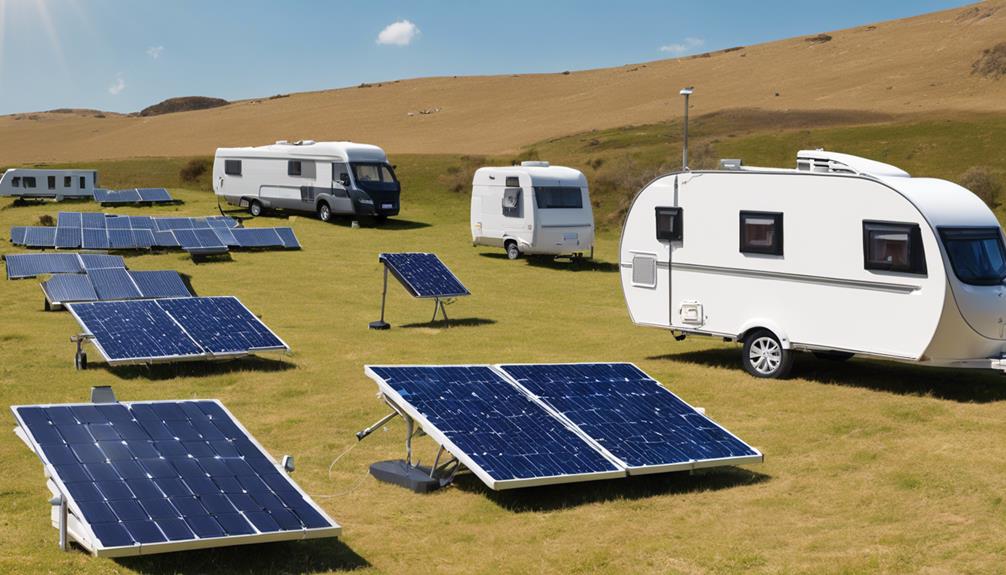
- Installation location: Solar shingles are integrated into the roof surface; conventional panels are mounted above the roof on racks.
- Appearance: Shingles are less conspicuous and may be preferred where aesthetics matter or on visible roof planes.
- Installation complexity: Shingles often require more coordination between roofing and electrical trades and can involve nonstandard sizes and certifications.
- Repairability and expandability: Rack-mounted panels are generally easier to replace, expand, or reconfigure later.
- Typical use case: Solar shingles often make sense during new construction or when a roof is already being replaced; conventional panels are common for retrofits.
Is your roof a good candidate?
A qualified assessment should check:
- Roof age and remaining service life — ENERGY STAR recommends replacing an aging roof before installing PV.
- Roof structure and load capacity, pitch, and orientation.
- Shading from trees, chimneys, neighboring buildings, or roof features.
- Roof geometry — many small facets, dormers, or complicated shapes reduce usable area.
- Local wind, snow, hail, fire, electrical, and building-code rules, plus HOA restrictions and solar-access laws.
Installation process
Typical professional workflow:
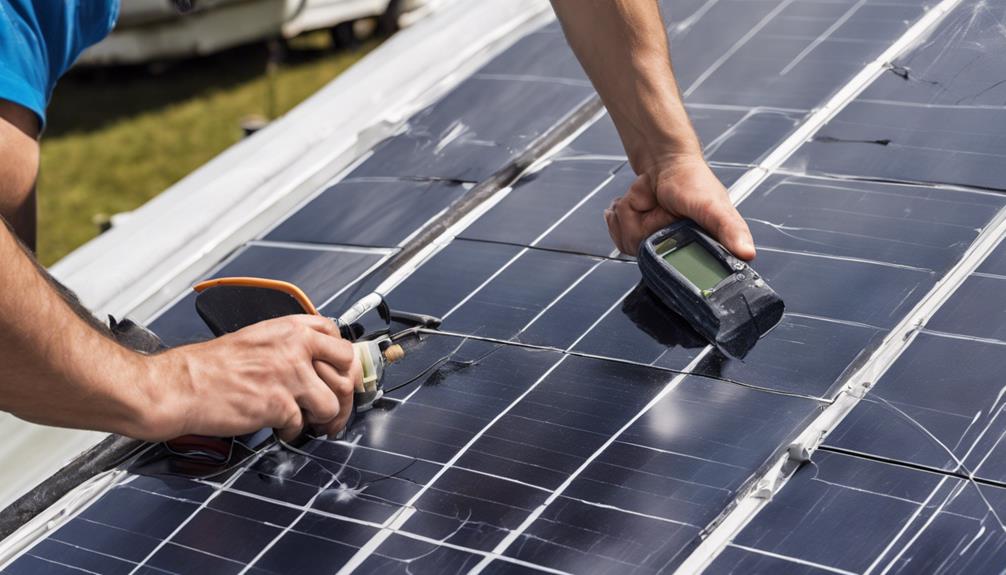
- Site and roof assessment, including production modeling (tools like PVWatts or a site-specific analysis).
- System design and product selection with both roofing and electrical considerations.
- Permitting and utility interconnection applications.
- Roof preparation, shingle or tile placement, electrical wiring, inverter and optional battery installation.
- Local inspections and utility approval before final operation and monitoring setup.
Do not attempt DIY installation for roof-integrated PV: roofing safety, electrical work, permitting, and code compliance require trained professionals.
Costs and financial tradeoffs
There is no single national price for solar shingles. Total cost depends on roof size and complexity, whether you need a new roof anyway, product availability, labor rates, permit and inspection fees, electrical upgrades, any battery storage, and local incentives. BIPV products can be more expensive per watt than standard panels because of specialized manufacturing, certification needs, and installation complexity. When comparing proposals, ask for:
- Total installed price and price after any local incentives.
- Estimated annual kWh production and assumptions used.
- Which roofing costs are included or excluded.
- Inverter, battery, permitting, and interconnection costs.
- Warranties and expected maintenance.
Warranties and maintenance
Ask for clear, separate descriptions of:
- Roofing warranty (leaks, water intrusion).
- Product or manufacturer warranty for shingles or tiles.
- Power-output warranty for PV performance.
- Inverter and battery warranties.
- Workmanship warranty from the installer.
Confirm who is responsible for leaks or removal if roof repairs are needed, and ask how replacement parts will be sourced if a manufacturer discontinues a product. Routine monitoring and manufacturer-recommended maintenance are typical; major servicing should be handled by professionals.
Incentives and tax considerations (current as of publication)
Under current federal law, the Residential Clean Energy Credit (IRC §25D) cannot be claimed for expenditures made after December 31, 2025. Solar roofing that both replaces a roof and generates electricity was treated differently under earlier rules; because incentive programs and state or utility rebates change frequently, verify current program rules with official state, local, utility, or IRS guidance or consult a tax professional.
Questions to ask a solar-shingle installer
- Do you inspect roof condition and structure before quoting?
- What annual production do you estimate, and what tool or assumptions produce that number?
- Which warranties apply to roofing, PV output, inverter, and workmanship?
- Who is responsible for leaks or removal if the roof must be repaired?
- How does the system behave in outages; is backup included or optional?
- How will exported electricity be credited by my utility (net metering or other compensation)?
- What are the expected maintenance needs and who performs them?
- Can you document licenses, insurance, and relevant certifications?
Conclusion
Solar shingles are a specialized BIPV option that can combine roof replacement and electricity generation with a low-profile appearance. They may be a good fit for new construction or homeowners planning a reroof who prioritize aesthetics, but they often involve higher complexity and fewer product choices than conventional rack-mounted panels. The best decision comes from site-specific estimates, careful warranty review, and consultation with qualified roofing and solar professionals.