Choosing the right hardware for a rooftop solar installation is as important as selecting the panels themselves. Solar panel mounting brackets are the structural backbone of any photovoltaic system, ensuring panels remain secure, properly angled, and weatherproof for decades. Beyond safety, the choice of mounting system affects installation time, warranty compliance, and overall project cost. This article explains common types of mounts, how roof type and local conditions influence selection, the components you’ll encounter, and practical cost considerations for homeowners and installers planning a solar system installation.
Types of solar panel mounting brackets and mounting systems
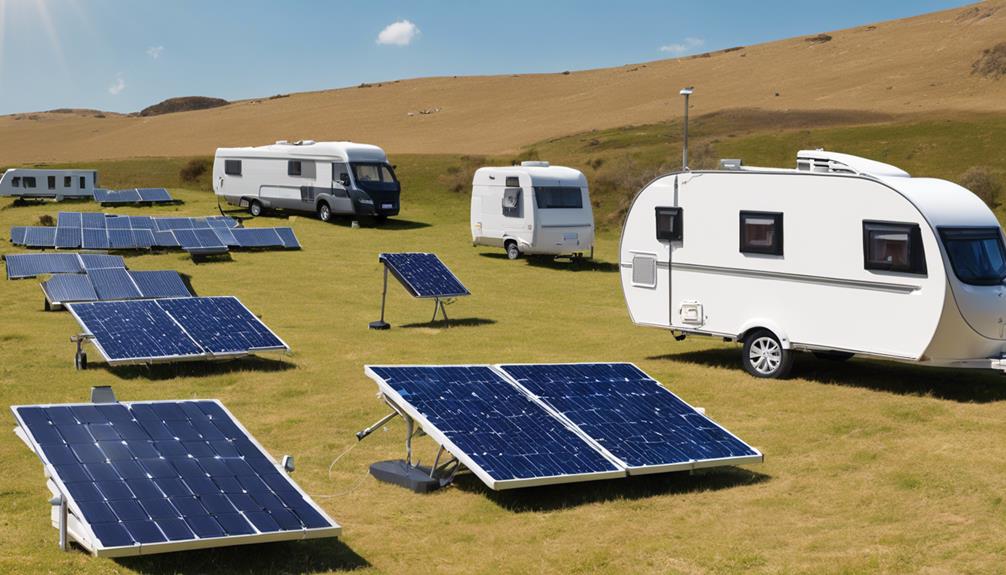
Mounting hardware comes in several formats depending on the installation location and design goals. Roof-mounted systems are the most common for residential projects and include flush mounts that keep panels close to the roof surface, tilt mounts that increase panel angle for better winter performance, and specialized solar roof mounts for standing-seam metal roofs. Ground-mounted racks offer greater flexibility in orientation and tilt but require more space and additional foundation work. For commercial arrays, rooftop racking systems, ballasted mounts, and tracker-compatible frames are often used. Understanding whether you need a solar panel roof mounting kit, a rail-based solar panel mounting system, or a ground-mounted solar panel racking system is the first step in cost estimation and design.
Roof type and its impact on installation and cost
The type of roof has a direct impact on which mounts and brackets are suitable and how much labor is required. Asphalt shingle roofs typically use flashing and lag bolted mounts with rails that attach to rafters. Tile roofs may require specialized roof hooks or tile flashing to preserve the roof integrity. Metal roof solar mounting systems, especially standing-seam metal roofs, can often utilize clamp-style mounts that avoid roof penetrations, reducing the risk of leaks and simplifying installation. Flat roofs usually rely on ballasted racking or low-profile roof mounts to avoid penetrations, though some installations use rooftop mounting brackets with proper sealing. Each roof type brings different material and labor costs, and selecting mounts that match the roof will minimize long-term maintenance costs and potential damage.
Key components: rails, brackets, rails mounting kits, and hardware
A standard roof-mounted array typically comprises the panels, mounting rails, mid and end clamps, and mounting brackets or feet that secure rails to the roof. Solar panel mounting rails provide the structural line along which panels are attached. Rail mounting kits or solar panel rail mounting kits usually include the rails, brackets, splices, and fasteners needed for a typical array. PV panel mounting brackets and pv panel mounting hardware must match both the panel frame and the chosen rail system. Some systems advertise an all-in-one solar panel roof mounting kit that simplifies procurement and ensures component compatibility. Quality of hardware is critical: cheaper solar panel brackets or holders may corrode or deform over time, while higher-grade aluminum or stainless steel components increase longevity and often carry a longer warranty, which can be worth the upfront cost in many climates.
Installation process, labor, and cost drivers
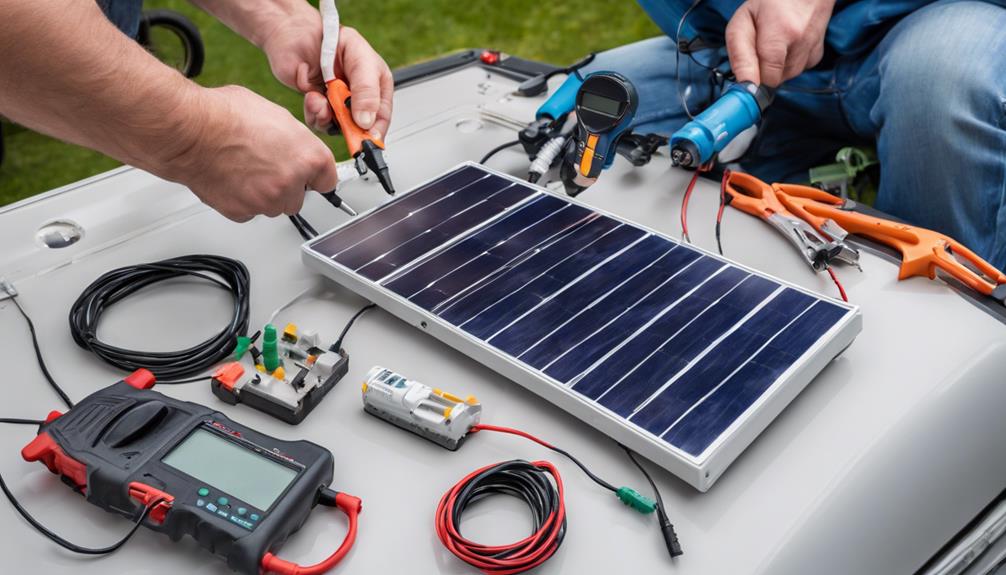
Installation cost is influenced by complexity of mounting, roof accessibility, local labor rates, and the chosen mounting system. A basic solar mount on a single-story asphalt roof with straightforward access and rafters in good condition will generally be less expensive than a multi-level home with a metal roof that requires specialized clamps or a unique solar panel fitting kit. Labor for mounting involves locating structural members, installing flashing or clamps, attaching rails, and securing the panels with clamps and end caps. Additional costs can arise from roof repairs, reinforcement for older structures, or the need for site-specific custom mounts. When budgeting, include costs for pv panel mounting systems, flashings, sealants, and any necessary permits or inspections. In many cases, the difference between a budget rail system and a premium racking system is reflected not only in price but in installation speed, warranty, and long-term reliability.
Practical use cases and choosing the best roof mounting system
For homeowners prioritizing low upfront cost and a simple installation, a common choice is a rail-based solar power mounting system designed for shingle roofs. These systems are widely available and supported by many installers, making them a common selection in residential solar projects. If you have a metal roof, consider metal roof solar mounting systems or clamp-on solar roof mounts that reduce the need for penetrations and can cut labor time. Flat-roof installations often use ballasted racks or a low-profile solar roof mounting system that balances wind loads while minimizing rooftop penetrations. For those seeking the best solar panel roof mounting systems for longevity and aesthetics, premium aluminum racking with integrated grounding and concealed clamps can offer superior performance and a cleaner look. Commercial and agricultural projects typically choose heavy-duty solar panel racking systems that can support larger arrays and, where applicable, tracking systems to maximize energy harvest.
Maintenance, warranties, and long-term considerations
Maintenance needs for mounting hardware are generally low but important to consider. Periodic inspections for loose fasteners, signs of corrosion, water intrusion at roof penetrations, and shifting due to wind uplift help protect both the roof and the array. Warranties vary by manufacturer: some solar mounting brackets and rails carry 10- to 25-year warranties, while panel manufacturers may require specific mounting methods to keep panel warranties valid. Choosing reputable pv panel mounting brackets and a certified installer reduces the risk of warranty disputes. When planning costs, factor in potential roof replacement within the life of the array; a solar panel roof mounting system that facilitates easy removal and reinstallation can save significant labor cost when reroofing is needed.
Selecting the right solar panel mounting brackets and system is both a structural and financial decision. By matching the mounting hardware to your roof type, considering long-term durability, and budgeting for installation and occasional maintenance, you can ensure a safe, efficient, and cost-effective solar installation. Work with experienced installers who understand pv panel mounting systems, local codes, and best practices to choose the ideal mounting solution for your project and to keep installation costs predictable while maximizing performance and longevity.