Introduction: what solar power can do
Solar power covers technologies that capture sunlight for electricity or heat. The most common residential option is a photovoltaic (PV) system that converts sunlight into electricity. Solar thermal systems capture heat for water or space heating and are a different technology. Solar can deliver financial, environmental, and resilience benefits, but results depend on site conditions, system design, utility rules, and financing.
How a PV system works (briefly)
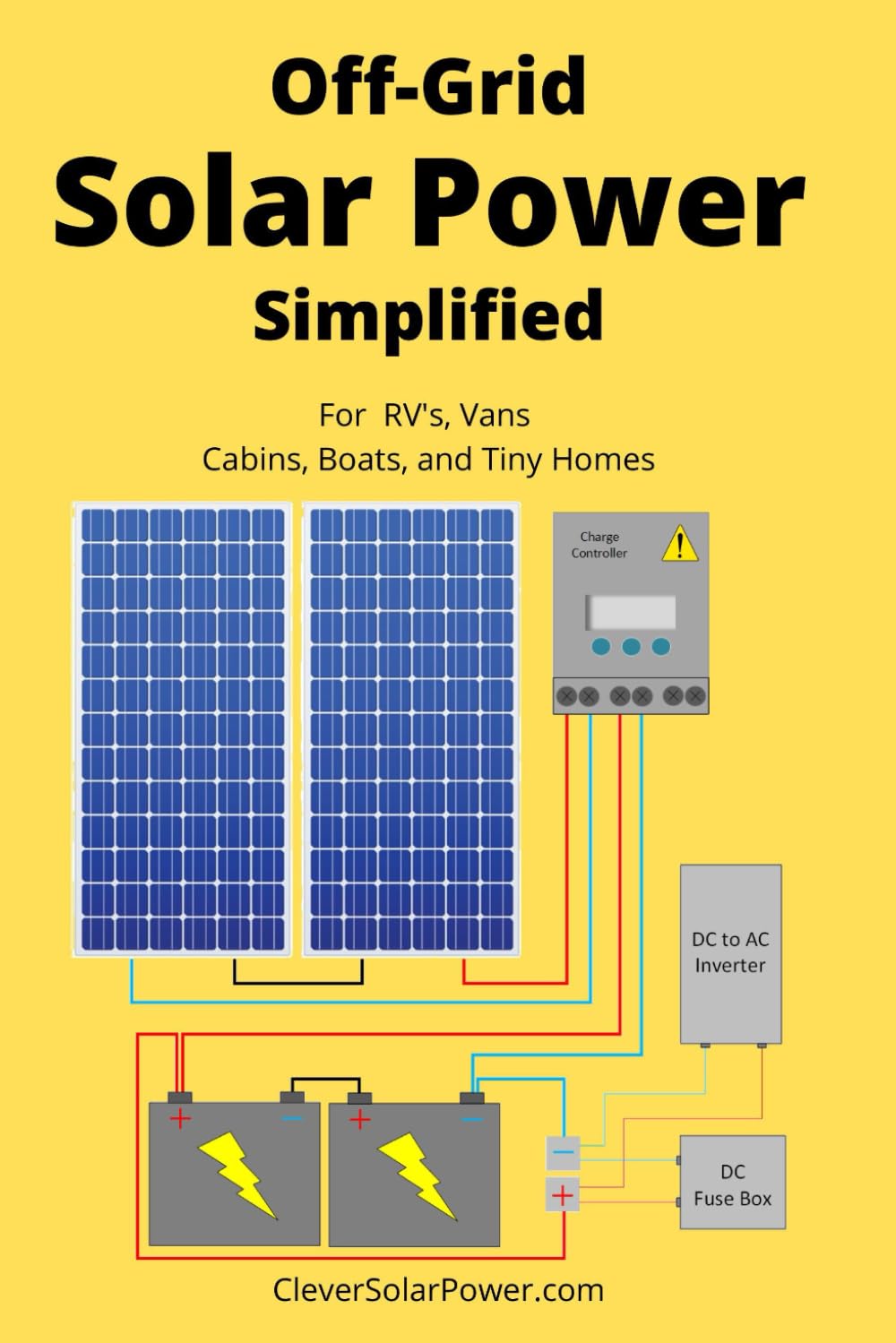
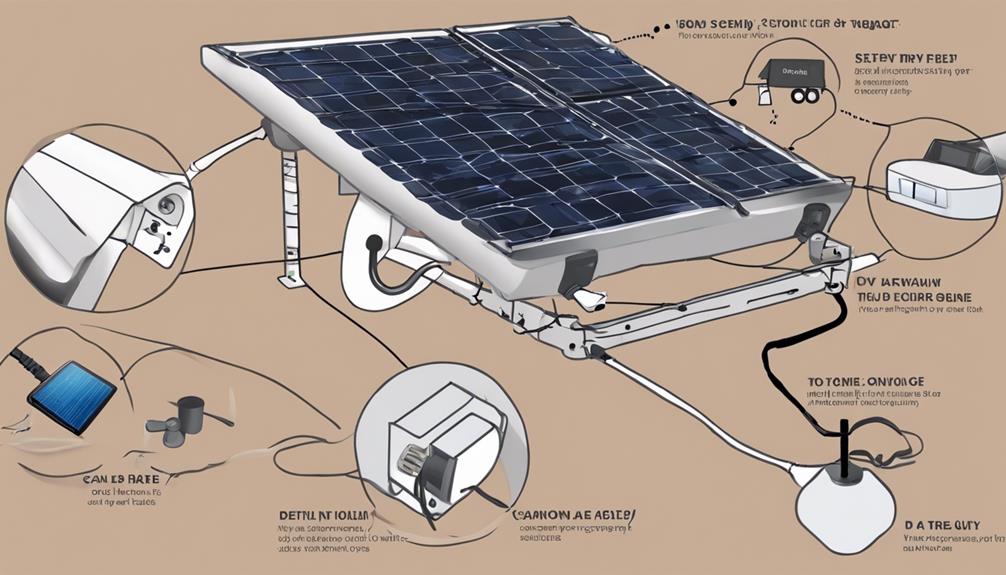
Sunlight hits semiconductor cells inside a solar module (panel) and creates direct-current (DC) electricity. An inverter converts that DC into alternating current (AC) used by most home and business electrical systems. A solar array is multiple connected modules. Generated electricity can be used immediately, exported to the grid (subject to local rules), or stored in batteries for later use.
Main benefits of solar power
- Lowered utility purchases: A properly sized PV system can reduce the amount of electricity you buy from the utility. Actual savings depend on system size, your usage pattern, electricity rates, shading, and export compensation rules.
- Reduced operating emissions: PV systems produce electricity without combustion while operating. When solar displaces more polluting generation, it reduces greenhouse gas and air-pollutant emissions. Keep in mind lifecycle emissions from manufacturing and transport still exist.
- Greater energy independence: On-site generation reduces reliance on utility-supplied power. For remote cabins or off-grid properties, PV can be a primary source of electricity when paired with appropriate storage or backup generation.
- Resilience with storage: Solar-plus-storage (PV paired with batteries) can store daytime generation for evening use and provide backup power during some outages when the system is designed to island or power critical circuits.
- Long service life and relatively low maintenance: Modern solar modules often operate for 25–35 years. Inverters, batteries, and other components may need replacement earlier, and systems benefit from periodic inspection and monitoring.
- Access and community benefits: Community solar and shared projects let renters, apartment residents, and people with unsuitable roofs benefit from solar through subscriptions or shared ownership.
Solar for different users
- Homeowners: Rooftop PV can offset household electricity use and, when paired with storage, offer partial backup capability.
- Small businesses and farms: Larger or south-facing roofs and open land can support greater generation and operational savings.
- Cabins and off-grid properties: Off-grid PV systems generally require energy storage and controls or a backup generator to manage nights and extended cloudy periods.
- Renters and apartment residents: Community solar subscriptions or on-site shared systems are common ways to participate without installing modules on a personal roof.
Environmental benefits—and tradeoffs
During operation, PV systems do not emit air pollutants or carbon dioxide. Over the full lifecycle, manufacturing, transportation, installation, and disposal create impacts. Many PV systems repay the energy used to make them within a few years and then provide decades of low-emission generation, but recycling and end-of-life management are still developing in many places. Ask about recycling and removal plans before you install.
What affects the financial value
Key factors that influence whether solar makes economic sense include:
- Local electricity rates and how your utility credits exported energy (net metering or other export compensation).
- Roof orientation, tilt, shading, and available area.
- System size, expected production, and degradation over time.
- Ownership vs. financing or leasing arrangements.
- Whether batteries are included and how you plan to use stored energy.
- State, local, and utility incentives that may be available at the time of installation.
Limitations to keep in mind
- Generation is variable: there is no solar at night and output falls in cloudy weather and winter months.
- Up-front costs and equipment replacements (inverters, batteries) can be significant.
- Grid-connected systems typically shut down during outages unless they include batteries and appropriate controls.
- Export compensation, permitting, interconnection, and local rules vary widely—do not assume a single national policy such as universal net metering or buyback.
Incentives and the current federal credit (as of July 30, 2026)
Federal and local incentives change over time. As of July 30, 2026, the IRS states that the federal Residential Clean Energy Credit is not available for expenditures made after December 31, 2025. State, local, utility, and commercial incentives may still apply, so verify current rules and deadlines with the IRS, your state energy office, and your utility before making decisions.
Questions to ask before you install
- How much electricity is this system expected to produce, and what assumptions were used?
- How much will I save under my current rate structure and under likely future rates?
- Will the system provide backup power during an outage? If so, what is included and how long will it last?
- What warranties cover modules, inverters, batteries, workmanship, and roof penetrations?
- Who handles permits, inspections, and utility interconnection?
- What are the options and costs for removal, reuse, or recycling at end of life?
- Which incentives and tax rules apply on the installation date?
Conclusion
Solar can offer meaningful financial, environmental, and resilience benefits for many homeowners and small businesses, but outcomes depend on site-specific factors, utility rules, and up-to-date incentive programs. Evaluate proposals carefully, ask clear questions about production estimates and warranties, and confirm current federal, state, and local policies before investing.