Why solar panels remain a major energy story in 2026
Solar photovoltaic (PV) systems continue to reshape electricity supply and residential energy choices. Global PV additions topped roughly 600 gigawatts (GW) in 2025, bringing cumulative solar PV capacity to about 2,800 GW and increasing PV’s share of global generation (IEA, 2026). In the United States the solar industry installed 43.2 GWdc in 2025, and domestic module-manufacturing capacity grew to 65.5 GW that year, even though production still lagged demand (SEIA/Wood Mackenzie, 2025). This article explains what PV systems are, what’s changed recently, and what homeowners should evaluate before investing in rooftop solar.
What a “solar panel” actually is
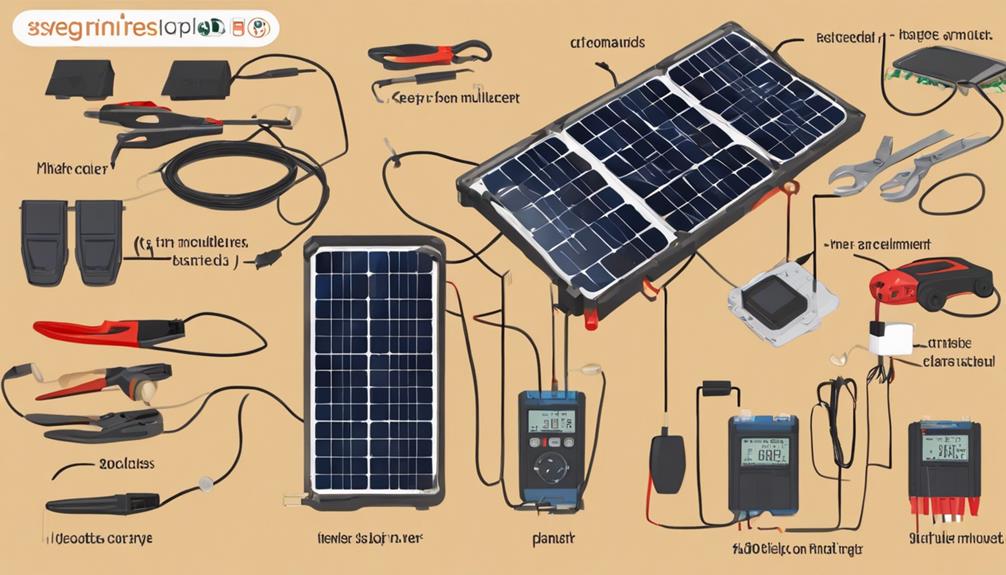
In consumer language, “solar panel” is common; the technical term is a PV module. A PV module contains many PV cells—semiconductor devices that convert photons from sunlight into direct-current (DC) electricity. Multiple modules make a PV array. Key components of a typical residential PV system include:
- PV module (solar panel)
- Inverter — converts DC to alternating current (AC) for home use or grid export
- Mounting hardware and wiring
- Optional battery energy storage system (BESS) for storing electricity
- Monitoring and safety equipment
PV systems produce electricity directly. They are distinct from solar thermal systems (which capture sunlight as heat for water or space heating) and concentrating solar-thermal power (CSP), which uses mirrors and is generally utility-scale.
How a residential PV system works
Sunlight on PV cells creates DC electricity. The inverter turns that DC into AC that powers household loads. When production exceeds immediate demand, electricity can charge a battery (if present) or be exported to the grid. When production is low or absent—night, heavy clouds, or shading—the home draws power from the grid, from stored battery energy, or both, depending on system design.
Important technical notes: a standard grid-tied PV system typically shuts down during a utility outage for safety reasons. Batteries plus appropriate inverter/controls are required for backup power and approved islanding configurations (DOE guidance).
What’s changed recently
- Deployment: Solar continued large-scale growth worldwide in 2025–2026, adding hundreds of GW and increasing PV’s share of electricity generation (IEA, 2026).
- U.S. market shifts: Installations declined in 2025 compared with 2024—43.2 GWdc installed in 2025, a 14% drop—while domestic manufacturing capacity expanded to 65.5 GW (SEIA/Wood Mackenzie, 2025).
- Technology: Commercial modules have improved and many approach ~25% efficiency at the high end; research directions include tandem/perovskite cells, bifacial modules, and durable, recyclable designs (EIA, NREL).
- Constraints: Policy, permitting, grid interconnection, transmission availability, and supply-chain issues are key factors that affect how quickly new projects move from plan to operation (IEA, industry reports).
What homeowners should evaluate
Solar economics and practicality are highly site-specific. Before getting quotes, consider:
- Roof condition, age, orientation, tilt, shading, and usable area
- Current electricity usage patterns and local retail electricity rates
- Net-metering or net-billing rules and export compensation from your utility (varies by state/utility)
- Whether you want batteries for backup, time-of-use bill management, or both; battery systems need appropriate inverters and controls to serve as backup
- Installer qualifications (NABCEP certification is an industry-recognized credential), warranties, monitoring options, and service practices
- Financing, leasing, or cash purchase trade-offs
The U.S. Department of Energy recommends getting a site-specific production estimate and working with a qualified installer; NREL tools such as PVWatts can help model expected output.
Benefits and limitations
Benefits: PV systems produce electricity with no on-site air pollution while operating, reduce exposure to fuel-price volatility, and can lower utility bills where export compensation and rates are favorable.
Limitations: Output is variable and depends on weather, orientation, and shading. Up-front costs, permitting, interconnection rules, and local policies strongly influence economics. A grid-tied system without batteries won’t provide power during outages; batteries add cost and maintenance considerations.
Lifespan, maintenance, and end-of-life
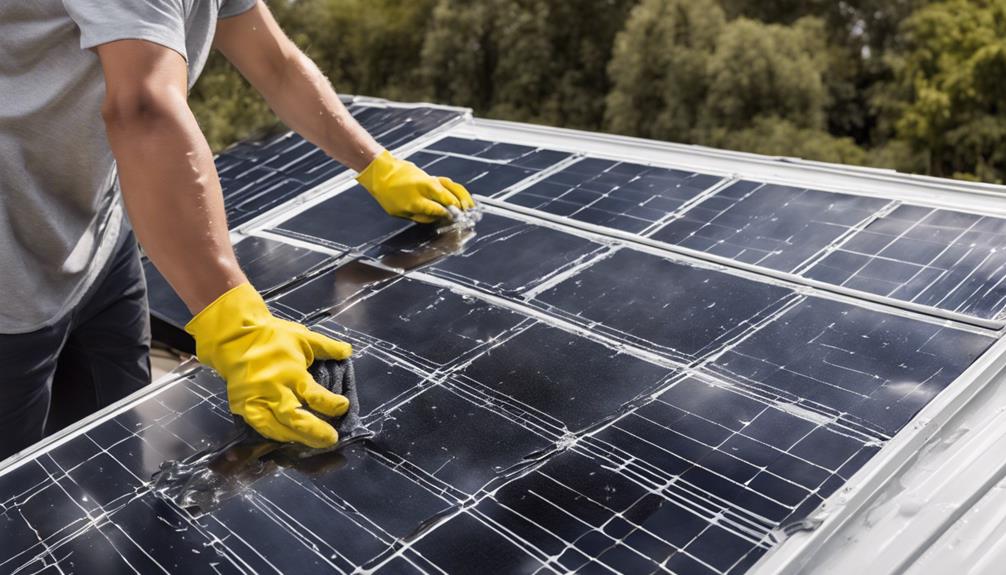
Modern PV modules commonly have expected operating lives in the range of roughly 25–35 years; module output degrades gradually and inverters often require earlier replacement. End-of-life options include continued operation, repair, repowering (upgrading components), reuse, refurbishment, and recycling. Recycling exists in the U.S. but is still developing and not uniformly cost-effective; aluminum and glass are among the recoverable materials (DOE).
Incentives and a final checklist
Incentive rules change frequently. As of mid-2026 the IRS page stated the federal Residential Clean Energy Credit applied to qualifying property placed in service through December 31, 2025; readers should verify the current IRS guidance and state or utility programs before assuming a specific credit or percentage (IRS, accessed July 2026). State rebates, net-metering rules, sales-tax treatments, and local permitting fees vary by jurisdiction.
Before you sign a contract, get:
- A site-specific production and financial estimate
- Clear warranty and service terms for modules, inverters, batteries, and labor
- Information on interconnection and export compensation from your utility
- A qualified installer’s credentials and references
Sources: International Energy Agency (IEA, 2026), SEIA/Wood Mackenzie (U.S. market reports, 2025), U.S. Department of Energy and National Renewable Energy Laboratory (DOE/NREL), U.S. Energy Information Administration (EIA), and the IRS (policy pages—verify current status prior to action).