Introduction
Both a solar photovoltaic (PV) system and a small distributed wind system can generate electricity for a home, but they suit very different properties and goals. In most U.S. neighborhoods, residential solar PV is easier to assess and install. Small wind can be a good choice on large, open, and windy properties or for some remote sites. This guide compares site suitability, energy production patterns, installation and maintenance needs, economics, interconnection, batteries, permitting, and a practical checklist to help you decide.
How the technologies generate electricity
Solar photovoltaic (PV) system: Semiconductor cells in panels convert sunlight into direct current. An inverter converts that DC into household alternating current for use or export.
Small distributed wind system / small wind electric system: Rotor blades capture the kinetic energy of moving air. A generator produces electricity, typically from a tower-mounted unit; power electronics condition output for household use or grid export.
Solar PV at home: what to expect
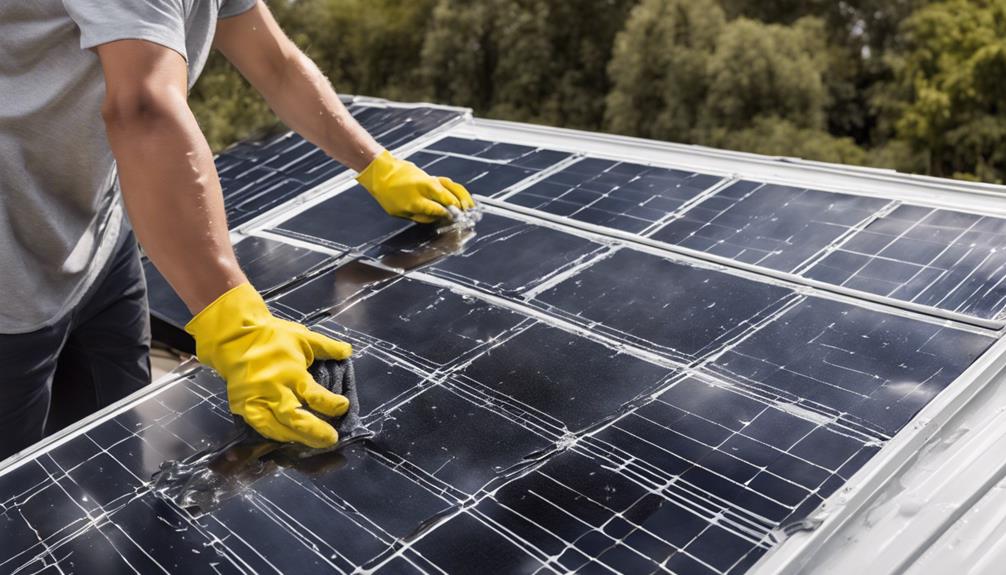
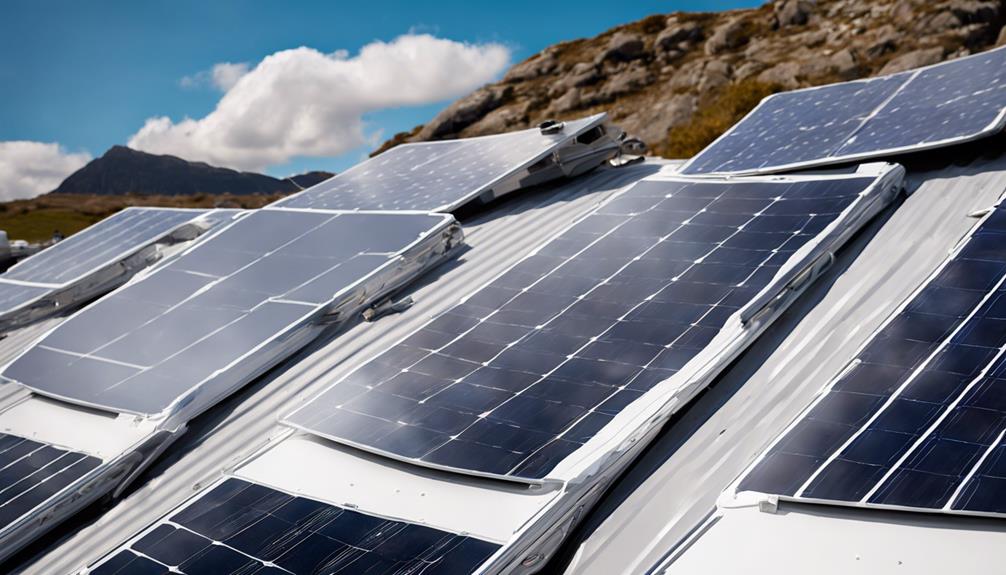
Solar PV works in all U.S. climates but performance depends on roof orientation, slope, shading, roof condition, and available area. South-facing roofs with moderate slope are often favorable in the Northern Hemisphere, though other orientations can be viable.
- Assessment: Start with an address-specific estimate using NREL’s PVWatts or a professional site assessment and proposal.
- Grid-tied/grid-connected systems: Most residential systems are grid-connected and rely on the utility when solar output is low. Export compensation (net metering, net billing) varies by utility and state.
- Batteries and backup: A BESS with compatible controls is required for seamless backup during outages; a typical grid-tied system without battery will not power the home during a blackout.
- Advantages: Broad geographic availability, modular design, simpler site assessment, lower maintenance compared with turbines.
- Limitations: No nighttime output, sensitivity to shading, roof constraints, and utility export rules.
Small wind at home: what to expect
Small wind systems are highly site-sensitive. Key factors are average wind speed at the proposed hub height, turbulence, terrain, obstructions, and sufficient land for a properly sited tower.
- Siting: Tower-mounted turbines perform best well above trees and buildings. Rooftop-mounted turbines usually suffer from turbulence and are not equivalent to a tower-mounted system.
- Resource benchmarks: DOE guidance suggests many grid-connected residential projects need average annual wind speeds near 4.5 meters per second or higher at hub height; maps are only a starting point—perform a site-specific wind resource assessment.
- Land and zoning: Expect setback, foundation, and structural requirements; DOE notes roughly one acre or more is often needed for a turbine that could supply a significant share of an average home’s electricity.
- Advantages: May produce at night and in seasons when solar is low; valuable for remote/off-grid sites if wind resource is strong.
- Limitations: Higher sensitivity to site quality, more moving parts and maintenance, tower and permitting complexity, and uncertain economics without measurement.
Side-by-side comparison
| Factor | Solar PV | Small Wind |
|---|---|---|
| Typical setting | Rooftop or ground mount; community solar for renters | Rural or open property with tower space |
| Main resource | Sunlight; shading and orientation matter | Wind speed at hub height; turbulence matters |
| Space needs | Roof or ground area | Tower clearance, foundation, acreage |
| Output pattern | Daytime peak, seasonal variation | Weather- and site-dependent; can complement solar |
| Installation complexity | Electrical, roof work, interconnection | Tower, foundation, electrical, zoning, interconnection |
| Maintenance | Relatively low (inverter and occasional cleaning) | Higher (moving parts, inspections, repairs) |
| Best first step | PVWatts or installer estimate | Site-specific wind assessment and measurement |
Batteries and backup power
Neither solar PV nor wind guarantees continuous power. Grid-tied systems typically shut down during outages for safety unless they include a BESS and approved backup controls. Off-grid/stand-alone systems require adequate BESS sizing, backup generation, and load management. Battery sizing should be driven by the critical loads you want to support, likely outage durations, and expected production patterns.
Economics and incentives
Evaluate total installed cost, not equipment sticker price. Financial outcomes depend on system annual energy yield (kWh), local electricity rates, export compensation, financing terms, maintenance, replacement costs, and ownership. Ownership matters: leased or third-party systems may limit access to tax benefits and incentives.
As of August 6, 2026, the IRS indicates the Residential Clean Energy Credit was available only for qualifying property placed in service through December 31, 2025, and is not available for property placed in service after that date. Always confirm current federal, state, and utility incentives before deciding.
Which option is better for most homes?
Choose a solar PV system first when your roof or available ground area has good sun exposure and your utility’s export policies make sense. Investigate small wind only when you have a verified wind resource at hub height, adequate land and tower placement, and local rules that allow it. Community solar is often the best alternative for renters or shaded roofs. A hybrid solar-plus-wind system can broaden production patterns but is site-dependent and raises costs and complexity.
Practical decision checklist
- Review and reduce household electricity use before sizing any system.
- Get an address-based PV estimate (e.g., PVWatts) and at least two installer proposals.
- Check roof age, shading, and structural suitability with a professional.
- For wind, consult wind maps, then commission a site-specific wind resource assessment and measurement at intended hub height.
- Confirm zoning, HOA rules, permits, building and electrical code requirements, and utility interconnection rules.
- Compare annual energy yield (kWh) and lifetime cost under realistic assumptions—not just nameplate kW.
- Review warranties, maintenance expectations, monitoring options, and replacement costs for inverters, BESS, and turbines.
- Verify current incentives and tax rules for your location and installation date.
Professional assessments, careful comparisons, and realistic expectations are the keys to choosing the right home energy option. Start with efficiency, then match technology to your site and goals.