Introduction
Solar photovoltaic (PV) systems convert sunlight into electricity and can reduce the amount of power a household buys from the utility. Residential rooftop solar often makes sense where roof orientation, shading, local rules and finance line up, but results vary widely by location and household. This article explains how PV works, what equipment a complete system includes, how solar interacts with the grid and batteries, and the practical benefits and limitations homeowners should expect.
What are solar panels and a solar PV system?
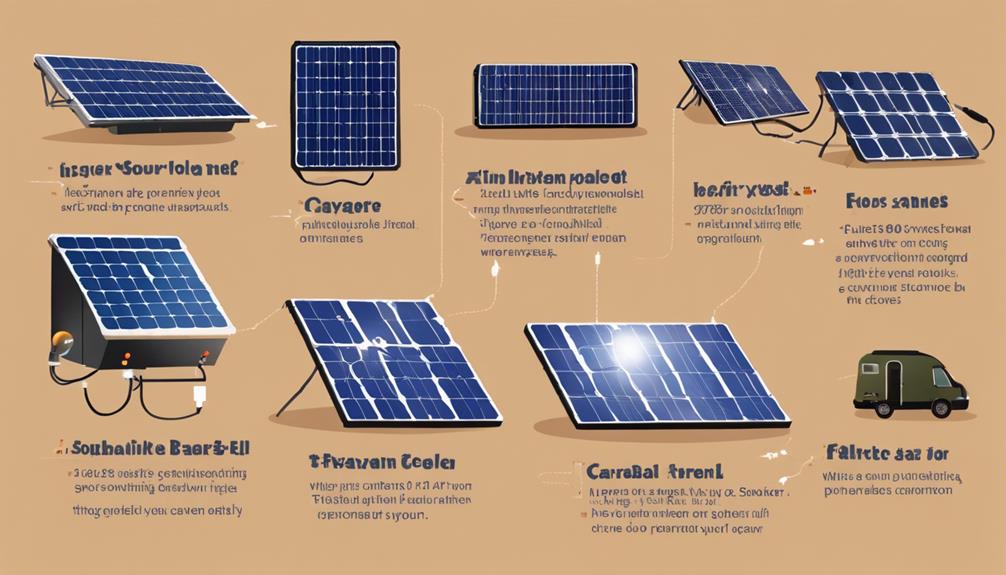
A solar panel (technically a PV module) is an assembly of PV cells—usually silicon semiconductors—that generate direct current (DC) when exposed to sunlight. Multiple modules form an array. A complete solar photovoltaic system includes the modules plus mounting hardware, electrical wiring, inverters, monitoring, permits and interconnection equipment needed to deliver usable electricity to a home or the grid.
How sunlight becomes usable electricity
PV cells use semiconductor materials to separate charge when photons from sunlight strike the cell. That separation produces DC electricity. An inverter converts DC into alternating current (AC) used by household appliances and compatible with the utility grid. Key terms to remember:
- Power (kW) — the system’s rated output capacity at a moment in time.
- Energy (kWh) — the electricity produced or consumed over time.
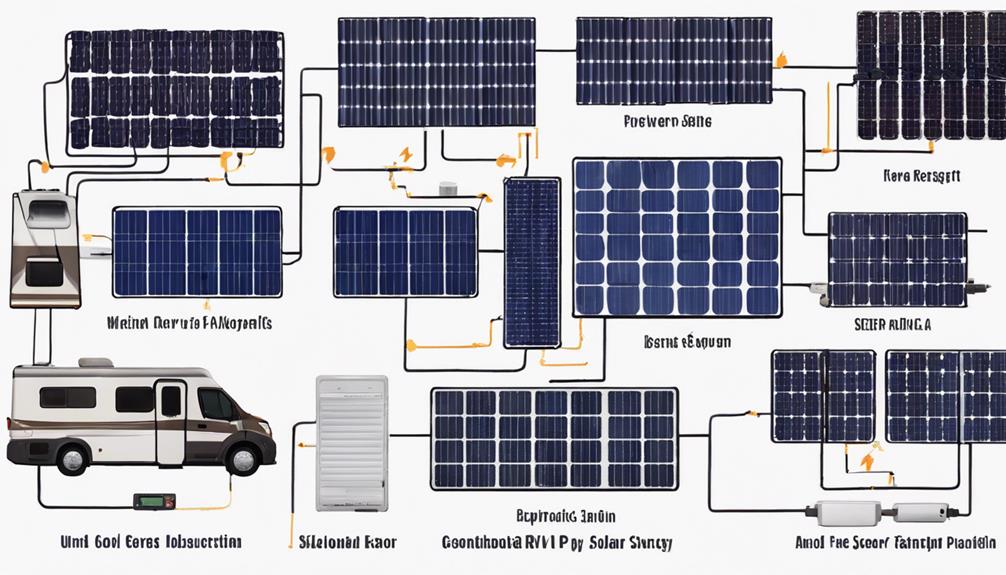
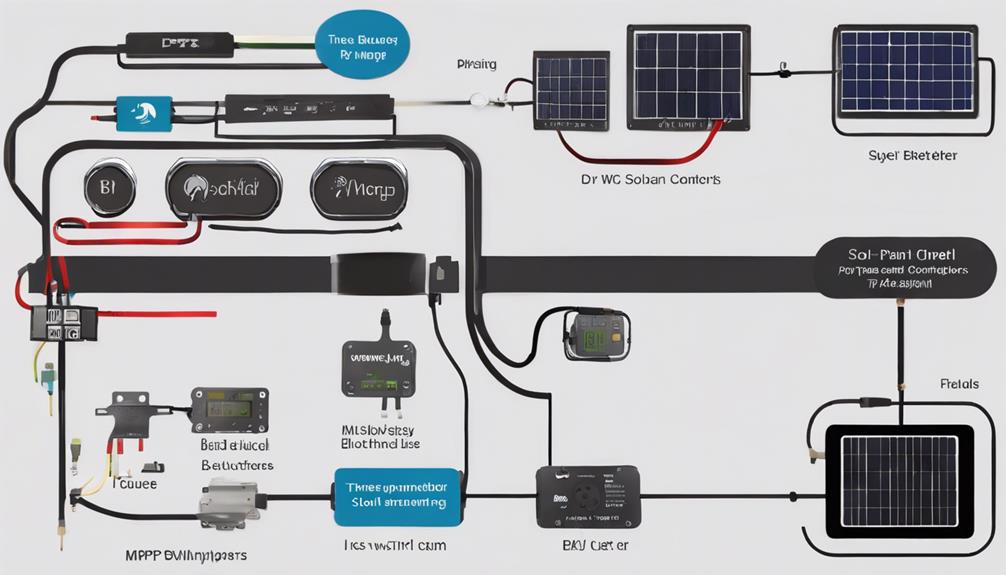
Main parts of a home solar system
- PV modules (panels) — the electricity-generating components.
- Mounting hardware — racking and roof attachments sized for local wind and snow loads.
- Inverter(s) — string inverters, microinverters or power optimizers convert DC to AC and manage production.
- Electrical balance-of-system — wiring, disconnects, fuses and the breaker interface to your panel.
- Monitoring equipment — provides production and performance data.
- Interconnection and meter — utility-required equipment and approvals for grid-tied systems.
- Optional battery energy storage (BESS) — stores electricity for later use and may provide backup power with the right configuration.
Is your home a good candidate for solar?
Typical factors that affect suitability and output include:
- Roof orientation and tilt—south-facing roofs with moderate tilt are often favorable in the U.S., but other orientations can also work.
- Shade—trees, chimneys or nearby buildings that cast shade reduce production.
- Roof condition and remaining life—old roofs are often replaced before installation to avoid removing panels later.
- Available area—enough unobstructed roof space to meet desired system size.
- Local solar resource and seasonal variation—geography affects annual production.
- Electrical-panel capacity and wiring—upgrades may be needed for safe interconnection.
Grid-tied systems, batteries and off-grid options
Most U.S. homes use grid-tied systems that export excess electricity and draw from the utility when needed. Batteries add the ability to time-shift solar production for evening use or provide limited backup during outages if the system is designed for it. Fully off-grid systems are much less common for single-family homes because they require larger battery banks, careful load management and different permitting and design.
What happens to excess electricity?
Excess generation can be exported to the grid, but compensation depends on your utility and state rules. Net metering, net billing or export tariffs may credit exported energy at different rates and with different rollover rules. Because rules vary, homeowners should review current interconnection and tariff details for their service area rather than assuming exported power will be paid at retail rates.
Benefits and limitations
Benefits can include reduced purchases from the grid, lower operating emissions during generation, and potential resilience when paired with storage. Limitations include upfront cost or financing obligations, intermittent production (no generation at night), dependency on roof and site conditions, and results that vary by utility rules, incentives and household consumption patterns.
Efficiency, degradation and expected life
Module efficiency describes how much sunlight a cell converts to electricity but does not alone determine how much energy a system will produce on your roof. Commercial silicon PV modules are generally expected to operate for 25 years or more; performance warranties commonly guarantee a portion of original output—often around 80%—after 25 years. Degradation rates, inverter replacement and component warranties are important to review.
Installation and buying tips
- Obtain multiple itemized proposals and compare estimated annual production, equipment specifications, warranties and total installed cost.
- Verify installers’ licensing, insurance, local references and workmanship warranties.
- Review ownership models (purchase, loan, lease, power-purchase agreement) and how they affect maintenance and transferability when selling a home.
- Confirm required permits, inspections and the utility interconnection process for your area.
- Be cautious of DIY electrical installation; electrical, structural and code compliance usually require licensed professionals.
Incentives and current rules (policy note)
As of August 18, 2026, the federal Residential Clean Energy Credit under Section 25D is not available for qualifying expenditures made after December 31, 2025. State, local and utility incentives can still apply but vary over time and by location—verify current rules with the IRS, your state energy office and your utility.
Conclusion
Residential solar PV can be a practical way to reduce grid electricity purchases and lower operating emissions, but its value depends on site conditions, system design, utility rules and finances. For a reliable assessment, consult your local utility and a qualified, licensed installer who can provide a site-specific design, interconnection guidance and an itemized proposal.