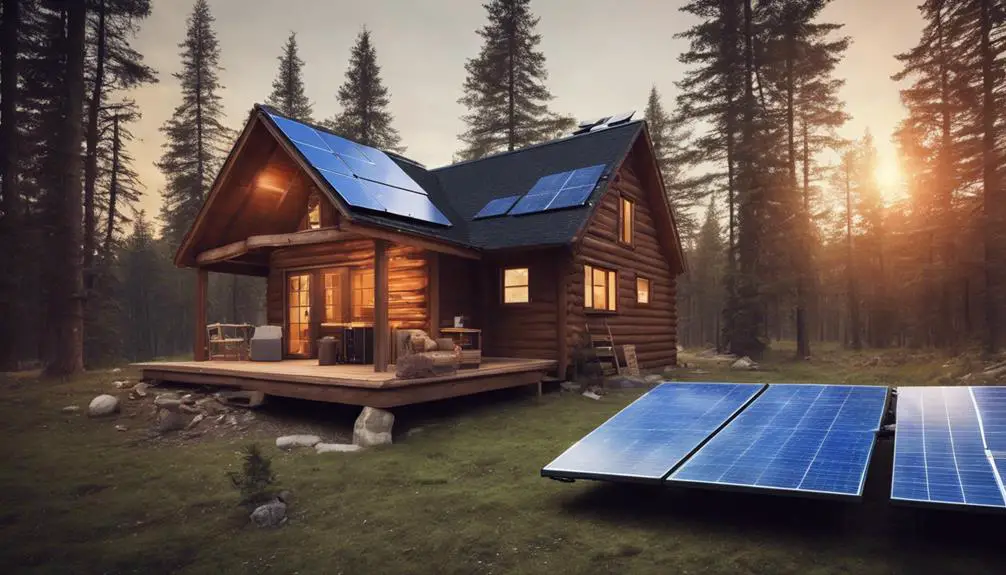
Intro: what a “cabin solar kit” really means
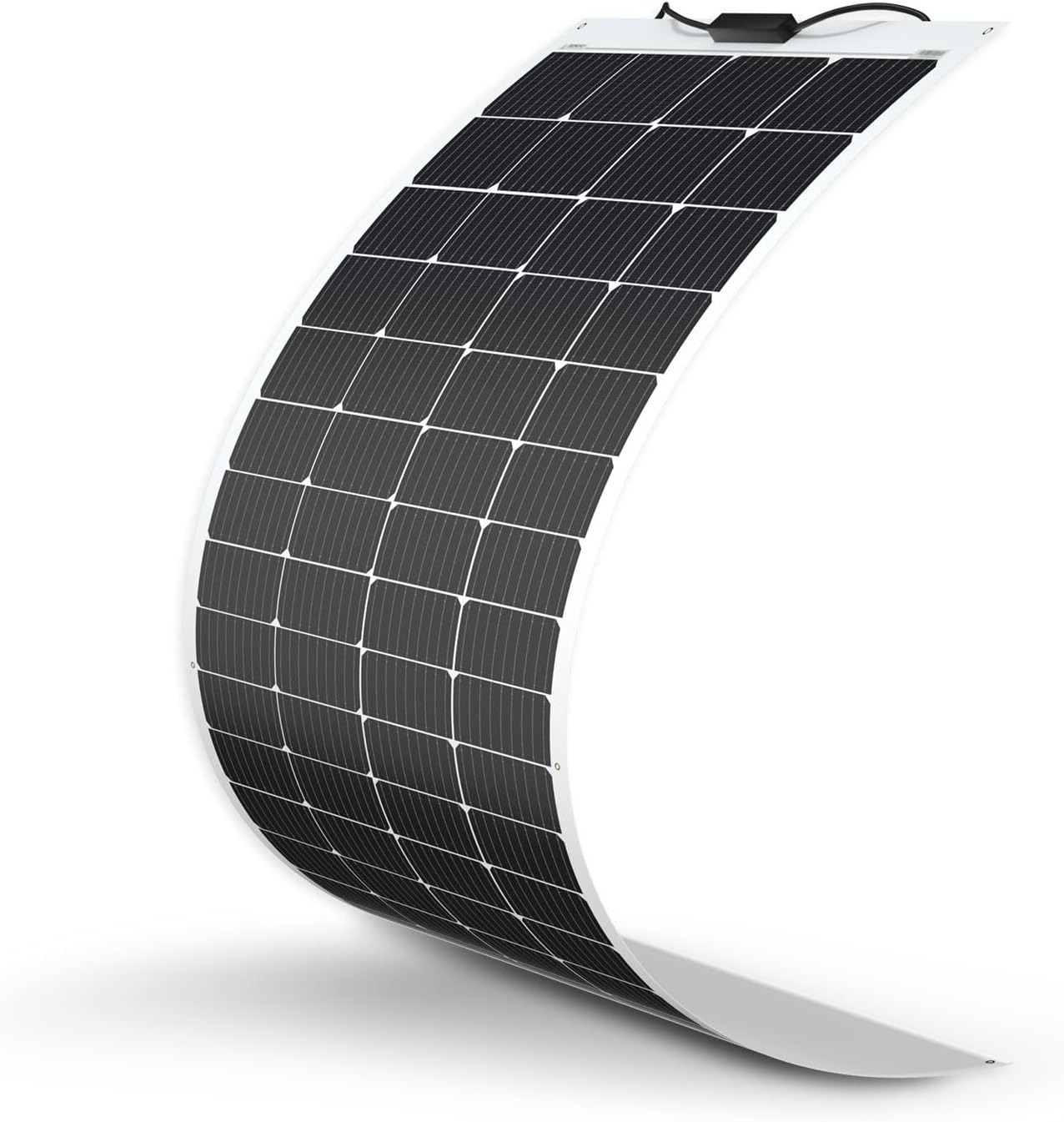
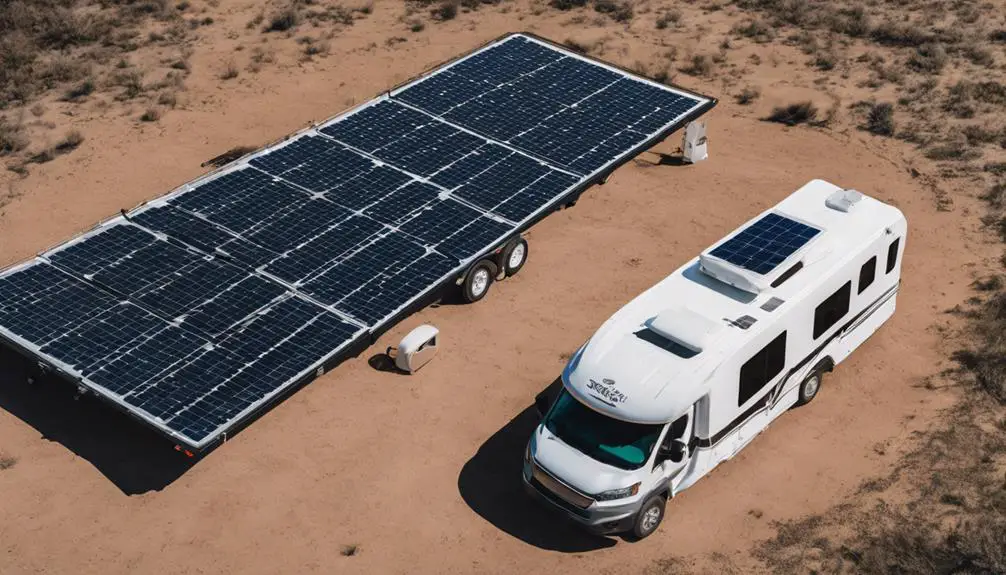
“Cabin solar kit” is a shopping phrase, not a guarantee of a complete, code-compliant power system. In practice a cabin solar photovoltaic (PV) system includes PV modules (panels) plus a mix of power electronics, wiring, and often batteries. Before buying, decide whether you need an off-grid system, a grid-connected system with or without backup, or a hybrid solar-plus-storage design that coordinates PV, batteries, and utility or generator input.
Types of cabin solar systems — which fits your cabin?
- Off-grid: Designed to run independently of utility service. Typically includes a PV array, batteries, a suitable inverter (often grid-forming), charge control, and usually a generator for long low-sun periods.
- Grid-connected: Tied to the utility to reduce purchased electricity. It may not provide power during outages unless specifically configured for backup.
- Hybrid / solar-plus-storage: PV paired with batteries and an inverter/charger that can work with the grid and/or a generator. Capabilities vary—verify whether the inverter is grid-forming and whether the system supports outage backup.
Key terms (briefly defined)
- kW (kilowatt): Instantaneous power — how much load the system or inverter can supply at once.
- kWh (kilowatt-hour): Energy — how much electricity is used or stored over time (e.g., kWh/day).
- Inverter: Converts DC electricity from panels/batteries to AC for cabin appliances; some inverters also charge batteries and manage grid/generator interaction.
- Usable battery capacity (kWh): The amount of energy you can actually draw from a battery under its operating limits — not the battery’s raw nameplate capacity.
Start with loads, not kit wattage
Begin by estimating your cabin’s electrical needs. List every device, its watts, and hours of use to get daily energy in kWh/day. Identify peak simultaneous loads and startup surges for motors (pumps, refrigerators, tools). Consider seasonal differences (winter heating, summer cooling) and future additions (well pump, EV charging).
Sizing framework:
- Estimate daily kWh and peak kW (including surge)
- Model site-specific PV production for the lowest-sun months
- Decide how many hours or days of battery-backed autonomy you want
- Factor generator strategy for extended outages or long winter stretches
- Obtain a professional design review before purchase and installation
What a complete kit may — or may not — include
Vendors use “kit” differently. Verify the bill of materials before assuming completeness. A code-compliant off-grid AC system typically needs:
- PV modules and racking or roof mounts
- Inverter or inverter/charger (rated for continuous and surge kW)
- Battery bank and battery management system (usable kWh specified)
- Charge controller (if separate from inverter), combiner, breakers, fuses, disconnects
- Wiring, connectors, grounding/bonding, labels, and monitoring hardware
- Generator integration or automatic-start capability (if planned)
- Freight, permits, inspections, engineering, and installation labor (often extra)
Sizing panels, batteries, and inverter: separate roles
The PV array determines how much energy you can generate over a day or season. The battery stores usable energy (kWh) for later use. The inverter determines how much power (kW) you can run at once, including surge capacity for motors. All three must match your load profile and the site’s realistic solar production—especially the lowest-production months.
For remote cabins, adding a modest generator often gives better resilience and lower cost than massively oversizing batteries to cover long cloudy stretches.
Site, safety, and code considerations
Production depends on location, tilt, orientation, shading, snow, and roof condition. Check with your authority having jurisdiction (AHJ) about permits and inspections, and verify that storage equipment meets safety standards (for example, ANSI/CAN/UL 9540 listings for stationary systems). Structural roof work, high-voltage DC wiring, battery placement, grounding, and final commissioning should be done or reviewed by qualified professionals under local code.
Operation and maintenance
- Monitor daily production and battery state of charge; compare against expected seasonal yields.
- Perform visual inspections for loose mounts, animal damage, debris, or vegetation shading.
- Clean modules only per manufacturer guidance; routine heavy-handed cleaning is rarely necessary.
- Have an emergency backup plan (generator + fuel) for extended low-production periods.
Before you buy: cabin solar kit checklist
- Completed daily and seasonal load estimate
- Peak and surge loads identified
- Site solar assessment or modeled production for low-sun months
- Winter/poor-weather resilience plan (battery days vs. generator)
- Full equipment list verified (what is included vs. what’s extra)
- Product certifications, warranties, and support confirmed
- Permit/AHJ and insurance requirements checked
- Installation, freight, and electrical upgrade costs included in the budget
Incentives note (date-sensitive)
As of July 21, 2026, the IRS indicates the federal Residential Clean Energy Credit is not available for property placed in service after December 31, 2025. Local and state incentives vary; check current local programs before relying on incentives in your budget.
Conclusion
The right cabin solar kit is the one that matches your cabin’s loads, lowest-season solar resource, and safety and permitting requirements—not necessarily the kit with the largest advertised panel wattage. Start with a careful load and site assessment, plan battery and generator roles realistically, and involve qualified professionals for design and installation.